Introduction
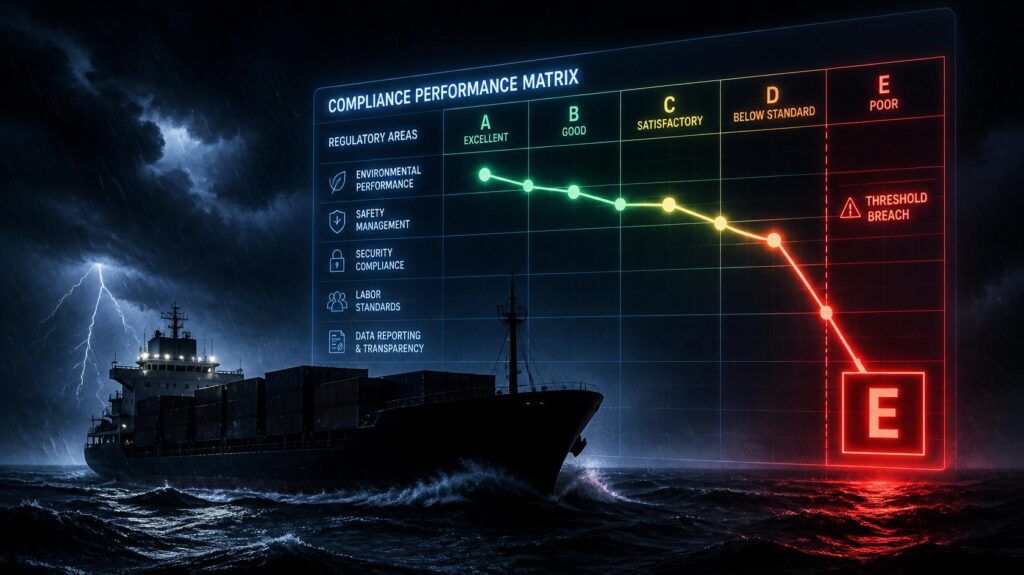
The practical implementation of the Carbon Intensity Indicator (CII) system revealed a profound operational gap across the merchant fleet, turning retrospective estimates from administrative standards into catastrophic business liabilities. The crux of this dilemma was the surprising realisation that old “noon reporting” methods were entirely ineffective at protecting vessel profiles from obligatory “Corrective Action Plan Triggers” and subsequent Corrective Action Plan mandates. Fleet managers learned that little operational factors, if not kept in check, might add up to compliance failures that would degrade whole fleets. To avoid these regulatory hazards, you need to move beyond legacy logs and toward automated asset oversight.
Table of Contents
The Illusion of Legacy Noon Reporting Systems

For decades, the world’s maritime transport industry was nearly completely reliant on manually generated noon reports to approximate daily fuel oil consumption trends. But soon, the active carbon intensity grading showed that these legacy tracking practices are absolutely incapable of avoiding retrospective compliance disasters. The data input by humans camouflaged the real-time erosion of the real operational performance index of the vessel over the period of time, resulting in systemic mistakes. By the time annual data were tallied, operators often discovered that they had efficiency lapses that were not tracked and had already driven their boats beyond important “Corrective Action Plan Triggers”.
Compounding Errors in Manual Entry
Manual data collecting procedures introduce intrinsic slight computation discrepancies which affect genuine emissions tracking profiles over extended international voyages. Noon logs are discrete snapshots taken under different watch conditions so quick changes due to severe head seas or sudden adjustments in auxiliary machinery are not recorded. This blind spot leads shipowners to miscalculate their year-to-date scores, thus driving their assets beyond statutory “Corrective Action Plan Triggers” before shore-side staff are aware that an operational threat exists.
The Failure of Retrospective Fleet Analysis
Managers have no opportunity to make remedial operational changes when waiting until the end of a calendar year to analyse collected fuel data. With the rigorous MARPOL Annex VI regime months later when a lower efficiency rating is found, there is no room for route optimisation or machinery adjustment. This data latency turns what should have been a dynamic management process into a sudden commercial crisis, triggering the severe “Corrective Action Plan Triggers” that endanger the asset’s charter marketability.
How Minor Operational Variables Compound Disasters

The first wave of official environmental ratings showed that the single biggest danger to fleet compliance stability is tiny, unmanaged operational variables. Light hull slime or modest wear on main engine fuel injectors are examples of micro-losses in propulsion performance which can seem negligible over one leg of a voyage. However, when these factors have a sustained effect over a multi-month trade cycle, the combined effect dramatically amplifies the vessel’s overall carbon emissions profile. Consequently, unmonitored operational drift often leads to important “Corrective Action Plan Triggers”.
The High Cost of Unmonitored Slime
Within weeks, microscopic marine biofouling growth on the hull surface quickly changes a vessel’s hydrodynamic resistance profile. To match the steady service speed demanded by the charterers, the main engine has to burn considerably more fuel, increasing the carbon numerator of the formula. This operational penalty compounds swiftly over the course of numerous voyages thereby ensuring that ignored hull maintenance cycles directly drive underperforming boats into obligatory “Corrective Action Plan Triggers” due to needless drag.
Auxiliary Machinery and Electrical Loads
The use of auxiliary boilers and electrical generators for excess consumption of fuel is a hidden drain that causes serious damage to the annual operational index of a ship. Auxiliary equipment with insufficient thermal insulation or sub-optimal electrical distribution wastes extra fuel without adding a single nautical mile to the distance sailed. This structural imbalance in the efficiency equation is a direct multiplier, bringing vulnerable vessels closer to “Corrective Action Plan Triggers” in long duration operations.
Upgrading the SEEMP Framework via High-Fidelity Data
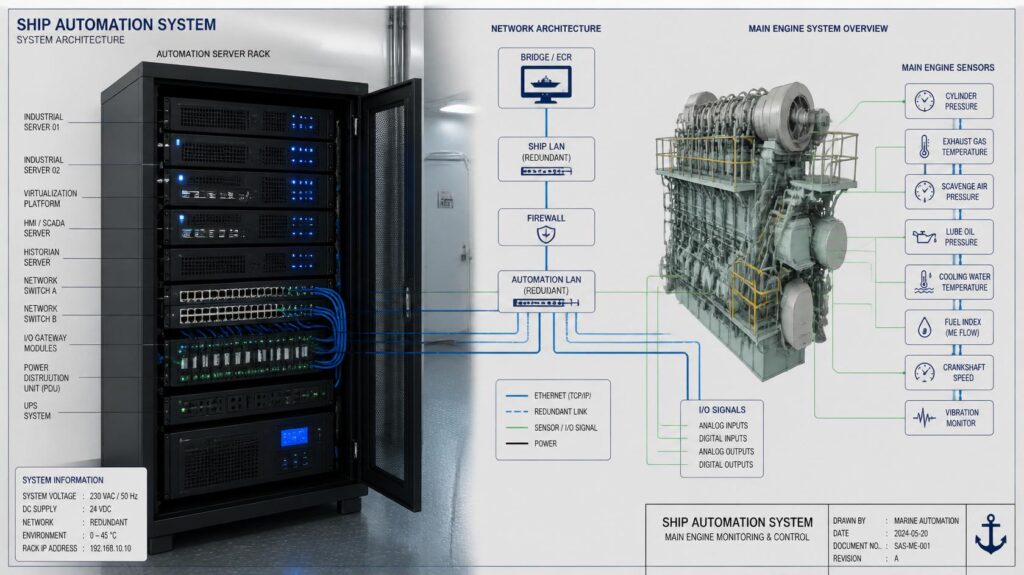
Addressing the data visibility gap involves a comprehensive reworking of the old Ship Energy Efficiency Management Plans, shifting the emphasis to automated telemetry infrastructure. Moving to a more sophisticated framework enables owners to substitute speculative estimates with high-fidelity, real-time digital measurement techniques. Linking shipboard compliance management to real-time data streams enables technical teams to more accurately estimate performance trajectories and make tactical operational course corrections. This digital transformation is required to avoid boats reaching today’s “Corrective Action Plan Triggers.”
Transitioning to Enhanced Digital SEEMP
The new SEEMP architecture has automated data gathering methods, providing the administrative basis for proactive carbon governance. This structural update replaces generalised performance targets with tight, certified digital tracking standards that leave no opportunity for subjective interpretation on-board. By signing up to this transparent framework ship operators are assured that their operating records are correct and their fleet assets are protected against the abrupt surprise of necessary “Corrective Action Plan Triggers”.
Eliminating the Human Error Factor
Automated sensor networks get rid of human calculation errors and deliberate softening of reports from the vessel’s annual performance profile records altogether. By taking shaft power and fuel flow rate readings straight from calibrated engine instrumentation, shore-side compliance teams are provided with unfiltered performance statistics on a regular basis. Using this same flow of data, managers can see the first signs that machinery is beginning to deteriorate and schedule targeted refurbishments before performance gets close to the “Corrective Action Plan Triggers.”
The Strategic Architecture of Modern Telemetry Upgrades
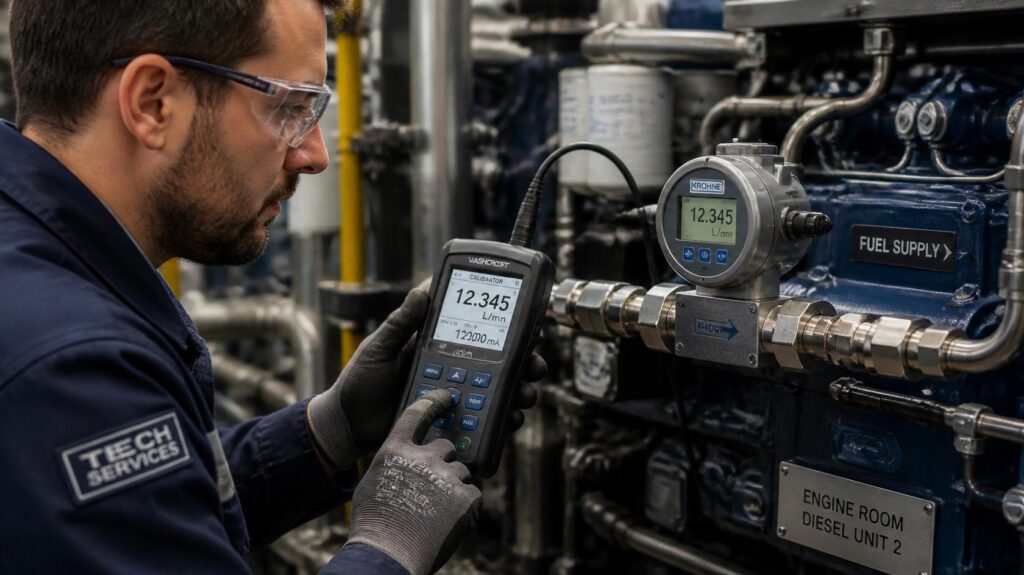
Physical telemetry retrofits are the key technical technique for achieving 100% data integrity across a commercial marine fleet. Shipowners must physically connect sensors within the engine room to automated cloud reporting software systems to generate an unassailable digital record of operational efficiency. This technical improvement allows the technical superintendents to get the detailed information needed to validate real-time fuel mass consumption rates under different weather conditions. The best method to avoid “Corrective Action Plan Triggers” is physical telemetry.
Installing Continuous Sensor Arrays
The backbone of current, automated maritime efficiency tracking infrastructure is the use of physical sensor arrays across key equipment systems. Constant measurement of shaft torque, fuel density and exhaust gas temperature allows these systems to generate accurate conversion rates of energy from second to second. This level of detailed technical awareness allows operators to see the real-world effects of weather changes, preventing external environmental influences from skewing data and triggering “Corrective Action Plan Triggers.”
Cloud-Integrated Fleet Performance Hubs
By sending real-time information from the machinery straight to cloud-based analytics dashboards on shore, fleet managers may run predictive simulation models continually. Using these state-of-the-art software platforms, the real-time trip data is compared against the vessel’s regulatory goal curves, and automated warnings are sent when efficiency metrics shift. This ongoing feedback loop enables technical departments to take proactive speed or maintenance modifications, keeping the ship safely away from obligatory “Corrective Action Plan Triggers”.
Analyzing the First Wave of Inferior Environmental Ratings

The first official operational efficiency report cards for commercial release have sent shock waves across the worldwide maritime asset financing and chartering sectors. Any vessels that failed to correct early operational drift were marked with a public “D” or “E” rating, indicating immediate legal liability. The first wave of poor ratings showed that the tools of regulatory enforcement really can have a commercial impact, that overnight they may devalue sub-optimal tonnage. The market learned early on that disregarding “Corrective Action Plan Triggers” has dire long-term economic ramifications.
The Commercial Fall of Underperforming Tonnage
Any vessels that fail to control their operating index will be immediately disqualified from premium spot market fixtures and profitable long-term time charters. Today, it is common practice for major global commodity charterers to use carbon rating databases as a main screening filter to preserve their corporate environmental KPIs. A substandard vessel that hits the ‘Corrective Action Plan Triggers’ is swiftly labelled an operational burden, dragging down its utilisation and forcing owners to accept heavily discounted freight rates.
Legal Realities of Mandatory CAP Filings
Where the merchant ship crosses regulatory criteria, the shipowner must submit a complete plan to the flag administration. That formal filing needs a full root-cause investigation explaining exactly why the vessel underperformed and what technical adjustments are intended to address the problem. If this plan is not approved, the issue of the Statement of Compliance is stopped . This essentially grounds the ship by tripping ” Corrective Action Plan Triggers “.
Proactive Hull and Machinery Maintenance Interventions
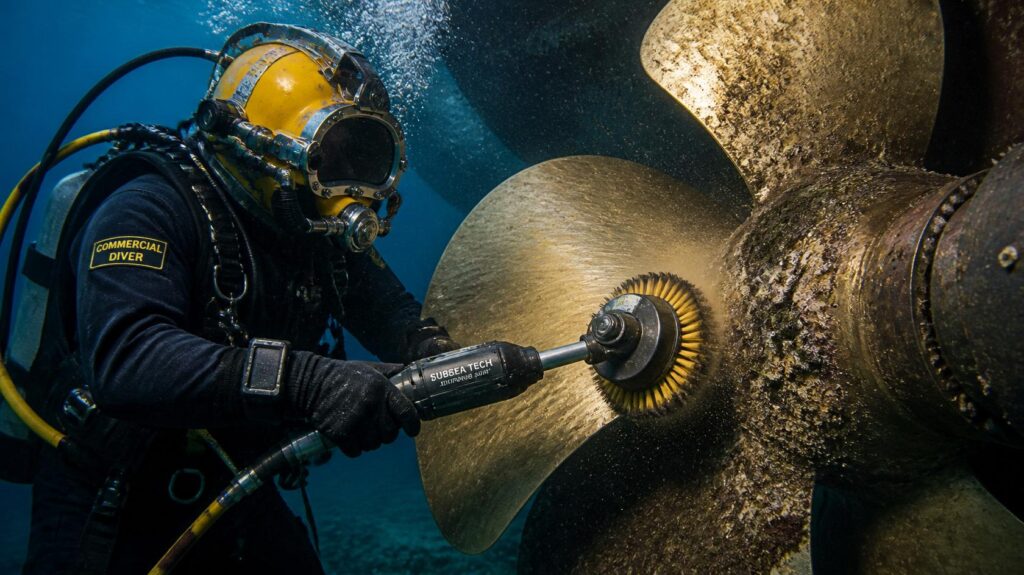
Ship management need to transition from traditional calendar-based overhauls to condition-based maintenance procedures to mitigate the risk of regulatory penalties. Technical superintendents should use ongoing telemetry data to schedule specific underwater cleans and propeller polishes before hull drag reduces the operating index. This enables ship management teams to keep hydrodynamic efficiency at its best all year round with these targeted micro-interventions. Such an active technical management method provides the best cost efficient protection against unanticipated “Corrective Action Plan Triggers”.
Condition-Driven Underwater Maintenance
The use of specialised commercial divers to perform regular hull inspections and localised fouling clearance eliminates the cubic increase in fuel consumption associated with drag. Proactive operators take advantage of live data alerts to book rapid underwater cleanings during routine port stops rather than wait for scheduled dry-dockings. This tactical maintenance technique stabilises the fuel consumption profile of the vessel, avoiding the activation of “Corrective Action Plan Triggers” when unexpected decreases in aerodynamic or hydrodynamic efficiency occur.
Precision Timing of Engine Overhauls
Fuel injection systems and turbocharger compression profiles are continuously monitored to guarantee that the primary engine combustion is highly optimised. Engineers can maximise thermal efficiency by changing damaged fuel nozzles and cleaning charge air coolers, according to live pressure-drop data. The attention to detail in the engine room directly minimises the overall fuel mass consumption per nautical mile and keeps the vessel’s yearly operating index well below the safe zone of necessary Corrective Action Plan Triggers.
Balancing the Responsibilities of Owners and Charterers
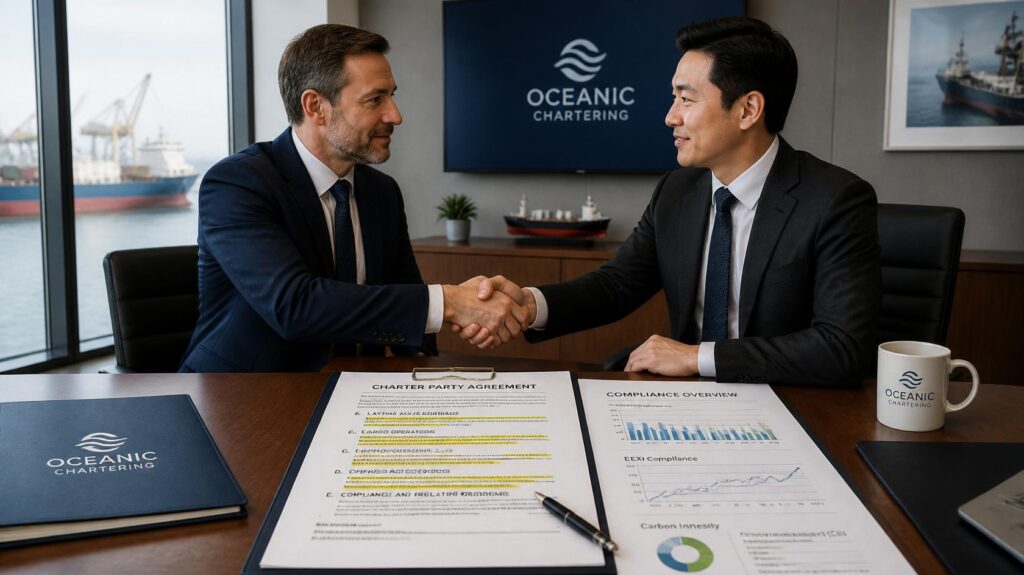
One of the most complicated difficulties presented by the global efficiency framework is the legal friction it introduces in traditional charter party agreements. The commercial employment, speed and routing of the vessel is decided by the charterer and hence their operational decisions directly affect the annual rating of the ship. However, the shipowner is still legally responsible for compliance with regulations and care of the asset. The resolution of this structural tension calls for current chartering clauses to address “Corrective Action Plan Triggers.”
Legal Adjustments in Modern Time Charters
In modern time charter contracts, it is necessary to clearly establish the operating limits within which the charterer is allowed to operate the vessel. The new marine contract frameworks require the chartering party to assist with the master’s speed changes to protect the annual rating target. Owners will put these particular restrictions in the contract to shield their assets from aggressive commercial deployment techniques that would otherwise trigger mandatory “Corrective Action Plan Triggers.”
Just-In-Time Port Integration Agreements
Commercial teams must actively use Just-In-Time (JIT) arrival frameworks to remove the significant carbon penalty that arise from mooring delays. Both parties save total fuel expenses while keeping the efficiency index, by legally authorising the vessel to slow down mid-voyage to coincide with berth availability. The commercial partnership removes the zero-distance anchor penalty and gives a vital operating buffer that keeps the ship far from “Corrective Action Plan Triggers”.
Future Proofing Fleets Against Escalating Targets
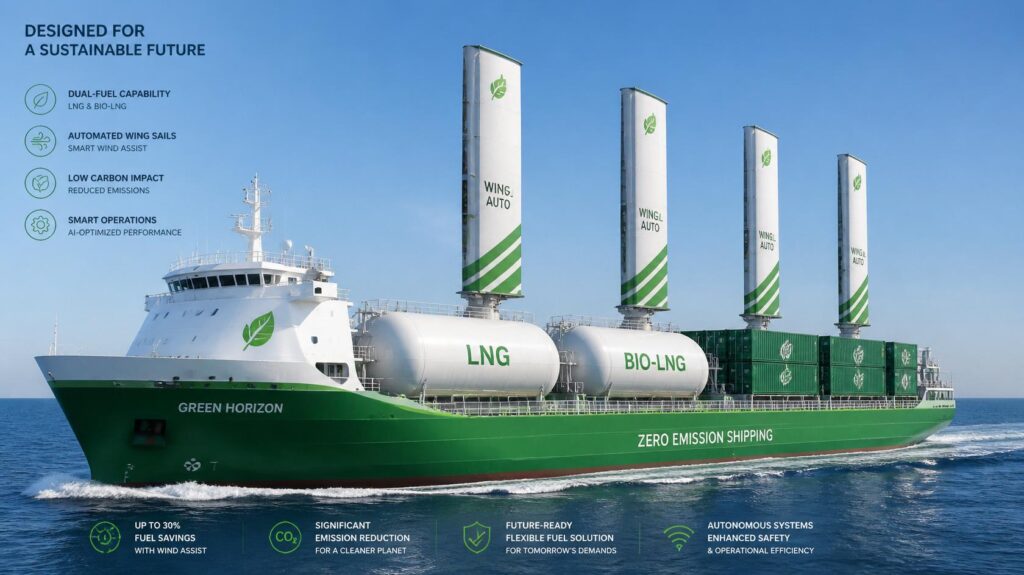
The rules that apply to international shipping are specifically designed to becoming considerably tougher with every passing calendar year. Shipowners must understand that an operating strategy that is acceptable this year will not be compliant with regulations tomorrow as targets become more stringent. Technical managers must plan their telemetry upgrades and maintenance programs with an eye on potential regulatory changes to preserve long-term asset value. “Triggering a Corrective Action Plan”. The only sure method to permanently eliminate future Corrective Action Plan Triggers is by proactive technical investment.
The Compounding Threat of Annual Reductions
With global carbon reduction factors tightening continuously, there is no place for either operational or technical stagnation inside the ship management organisations. Older conventional boats stand a greater danger of commercial obsolescence as the boundaries for permissible ratings get higher. Operators must regularly monitor their performance indicators against these future target forecasts to ensure their current technical upgrades don’t invoke future “Corrective Action Plans”.
Integrating Long-Term Asset Modifications
In the long term, fleet survival will be based on moving beyond small operational changes to whole technical upgrades, including retrofits for alternate fuels. To prepare for this shift today, shipowners should construct flexible digital telemetry structures that can be easily integrated with future energy-saving technologies. Essentially, managers are future-proofing their operations against an increase in “Corrective Action Plan Triggers” by incorporating this technical agility into their existing fleet modification projects.
The Role of Alternative Fuel Retrofitting in Modern Compliance
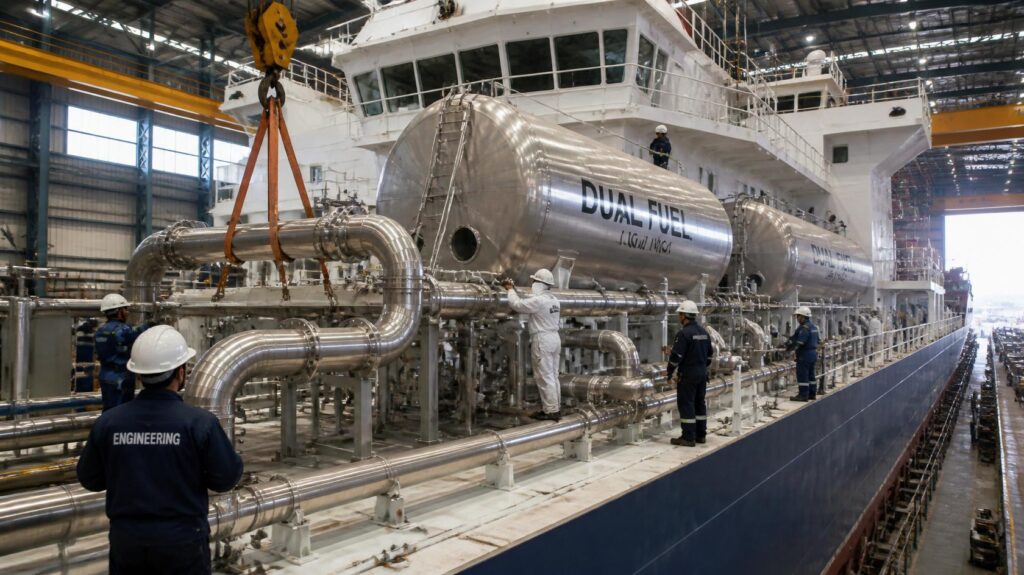
With year-on-year targets for operational efficiency reductions becoming more stringent, technical management teams need to look beyond cosmetic hull cleanings and routine equipment tuning to assure long-term asset compliance. The only sure technological intervention to permanently change the environmental trajectory of the vessel is to incorporate alternative fuel retrofitting solutions into the multi-year maintenance lifespan of the vessel. The underlying carbon emission factor (C_f) in the efficiency equation fundamentally changes when a conventional primary propulsion plant is converted to dual-fuel choices, such as green methanol or liquefied natural gas (LNG). This physical asset transformation effectively resets the vessel’s operating profile giving an absolute defence against future “Corrective Action Plan Triggers”.
Lowering the Carbon Emission Factor directly
Conversion of a conventional primary mover to burn lower-carbon fuels will immediately impact the numerator of the Annual Efficiency Ratio, without any change in commercial sailing speeds or carrying capacity. As established in Annual Efficiency Ratio Baseline: How the Initial 2023 IMO Mandate Reshaped Global Ship Management, fleet operators can achieve the competitive service schedules required by top-tier charterers, while reducing the net greenhouse gas emission, by reducing the specific carbon intensity of the fuel itself. This substantial reduction in the real time emissions profile ensures that lengthy port stays or unexpected voyage delays will not unintentionally put the vessel within the necessary “Corrective Action Plan Triggers”
Future-Proofing Fleet Capital Assets
Dual-fuel mechanical retrofits turn ageing tonnage into premium, highly marketable commercial assets with the ability to trade in tight zero-emission regional economic corridors. With a sound modification framework, today’s well-trained technical departments can protect their whole fleet from the risk of premature economic obsolescence as decarbonisation regulations increase throughout the world. This novel solution guarantees mid-life vessels are totally compatible with changing worldwide standards, avoiding the operational concern of being caught with obligatory “Corrective Action Plan Triggers” prior to their planned decommissioning dates.
Conclusion
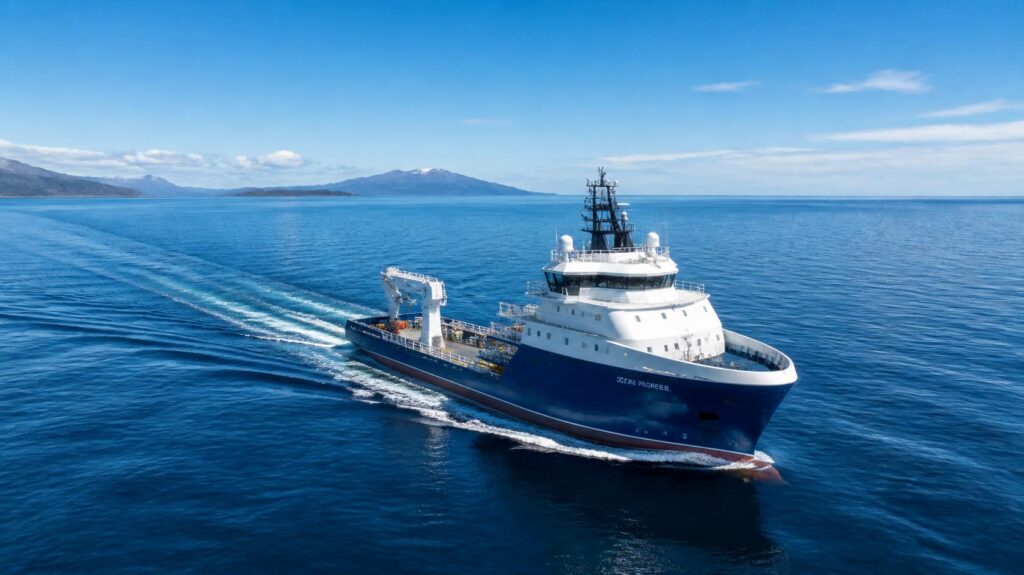
A full break from old manual data techniques is required to successfully navigate the operational challenges of current maritime commerce. The first batch of environmental grades showed that reliance on patchy data is a sure route to regulatory failure and business isolation. Shipowners may safeguard their fleets against performance penalties with the SEEMP framework by integrating automated telemetry updates and proactive data management. Maintaining the integrity of the data is the best way to avoid “Corrective Action Plan Triggers” and long-term profitability.
People Also Ask
What immediate action must an owner take when a vessel trips Corrective Action Plan Triggers?
The SEEMP Part III must be updated by the owner to include a confirmed plan that provides a detailed root-cause analysis of the performance failure and identifies specific operational changes to restore efficiency.
How do automated telemetry data collectors prevent unexpected Corrective Action Plan Triggers?
Automation of telemetry data collectors provides shore-side managers with real-time access into fuel usage and machinery patterns that allow prompt operational modifications before small inefficiencies snowball into necessary “Corrective Action Plan Triggers.”
Can a time charterer be held legally responsible for activating Corrective Action Plan Triggers?
Responsibility shall be according to the provisions of the charter party. However, contemporary BIMCO rules require charterers to operate the vessel within approved efficiency limitations, preventing them from “pushing the ship into ‘Corrective Action Plan Triggers’”.
Why do minor operational variables like hull slime trigger mandatory Corrective Action Plan Triggers?
Hull slime adds to hydrodynamic drag and forces the main engine to consume more fuel to keep up speed, hence increasing yearly carbon emission and setting off “Corrective Action Plan Triggers”.