Introduction
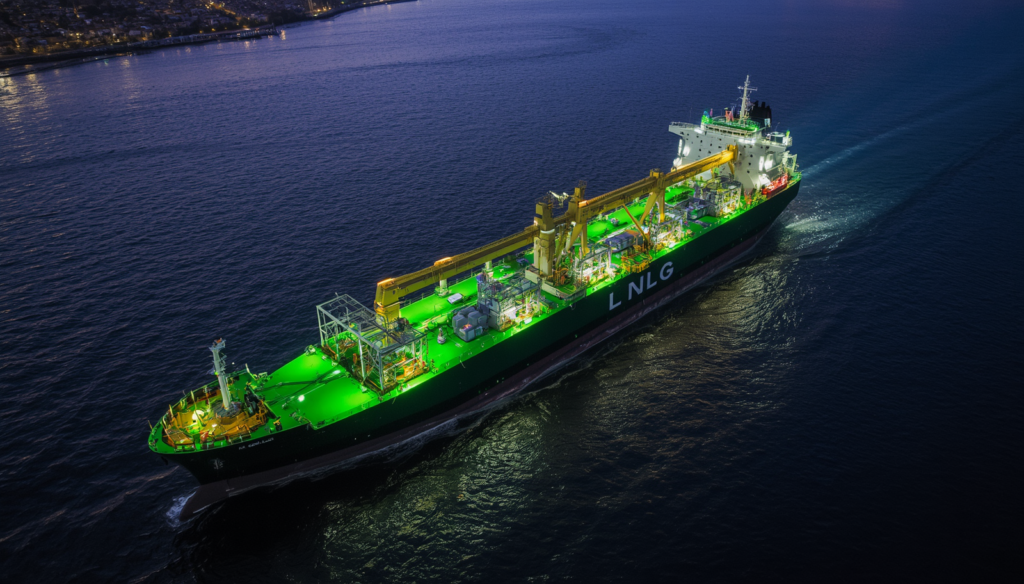
“Sustainable Shipping Horizons” are bridging the gap between heavy fossil fuels and zero-emission alternatives and advancing the structural decarbonisation of global maritime operations. For decades, the worldwide merchant fleet was powered primarily by unrefined heavy fuel oil (HFO), a highly polluting energy source that is now subject to rigorous regulatory limits. Moving to cryogenic Liquefied Natural Gas (LNG) and then to synthetic or bio-methane is a viable fuel option that reduces carbon dioxide emissions by up to 20% and almost eliminates sulphur and particle emissions.
The change gives vessel owners the opportunity to adhere to the tight greenhouse gas reduction timelines set by the International Maritime Organization (IMO) without compromising propulsion dependability. The maritime sector is developing a highly flexible infrastructure, including the development of dual fuel internal combustion engines, to accommodate zero carbon drop-in fuels should they become available in the future. With global trade corridors enforcing stronger environmental regulations, the search for these ‘Sustainable Shipping Horizons’ assures that modern shipping lines minimise their net carbon intensity and achieve long-term economic viability across international waters.
Table of Contents
The Thermodynamics of Dual-Fuel Marine Propulsion
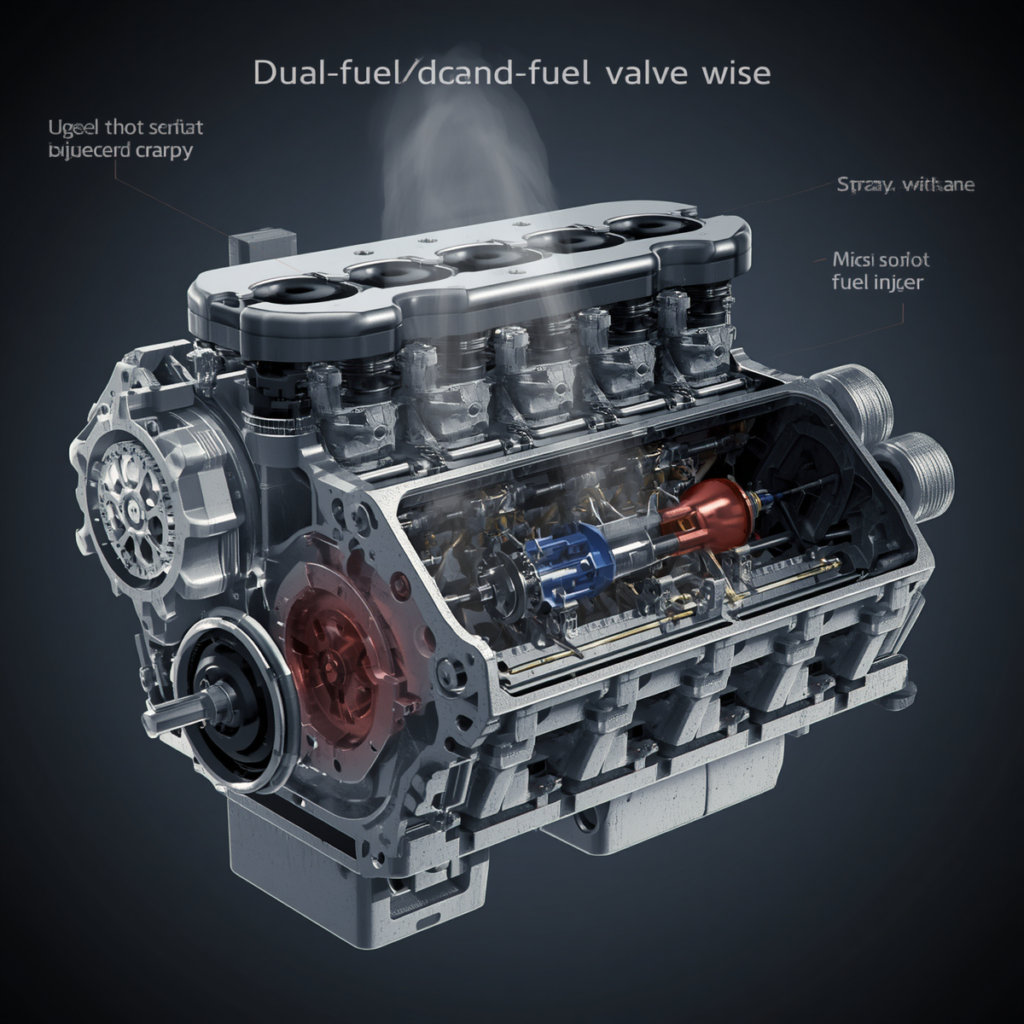
“A deep understanding of combustion chemistry is crucial for putting in place alternative fuel frameworks across the global merchant fleet, showing that moving through “Sustainable Shipping Horizons” requires very adaptable engine architectures.” Modern dual-fuel two-stroke engines may operate on conventional liquid hydrocarbons as well as gaseous methane in a high pressure environment. In gas mode, the engine ignites a lean compressed gaseous mixture of methane in the cylinder using a micro-injection of pilot diesel fuel.
This dual-fuel combustion technique maintains good thermal efficiency and considerably reduces the generation of nitrogen oxides ($NO_x$) during the power stroke. These automated propulsion architectures alter the chemical makeup of shipboard energy to a higher hydrogen-to-carbon ratio ($CH_4$), allowing for instant environmental improvements while providing the enormous power output needed to propel large cargo ships.
High-Pressure Gas Injection and Spark-Ignited Micro-Pilot Loops
Large-bore marine powerplants can achieve a stable combustion profile in line with modern ‘Sustainable Shipping Horizons’ with the implementation of sophisticated electronically controlled gas injection systems. The engine injects gaseous methane into the cylinder at pressures exceeding 300 bar, preventing premature detonation or unstable combustion cycles. The micro-pilot diesel injection is very well timed, providing a very reliable ignition source, so that the flame propagates quickly and completely across the combination of gases, optimising the peak pressures in the cylinder without thermal spikes.
Balancing Frictional Loss Against Gas Energy Density
Optimising internal engine components for dual-fuel operations means that new vessel designs are already following the successful “Sustainable Shipping Horizons” and obtaining maximum mechanical output per unit of fuel. Gaseous combustion alters the temperature distribution on the inner liner of the cylinder, which requires unique piston ring packs and automated cylinder oil lubrication networks to avoid scuffing. This controlled temperature profile enables the engine to safely capitalise on the outstanding energy density of methane, lowering specific energy consumption and preserving key moving parts from unexpected friction or heat fatigue.
Cryogenic Infrastructure and Onboard Fuel Storage
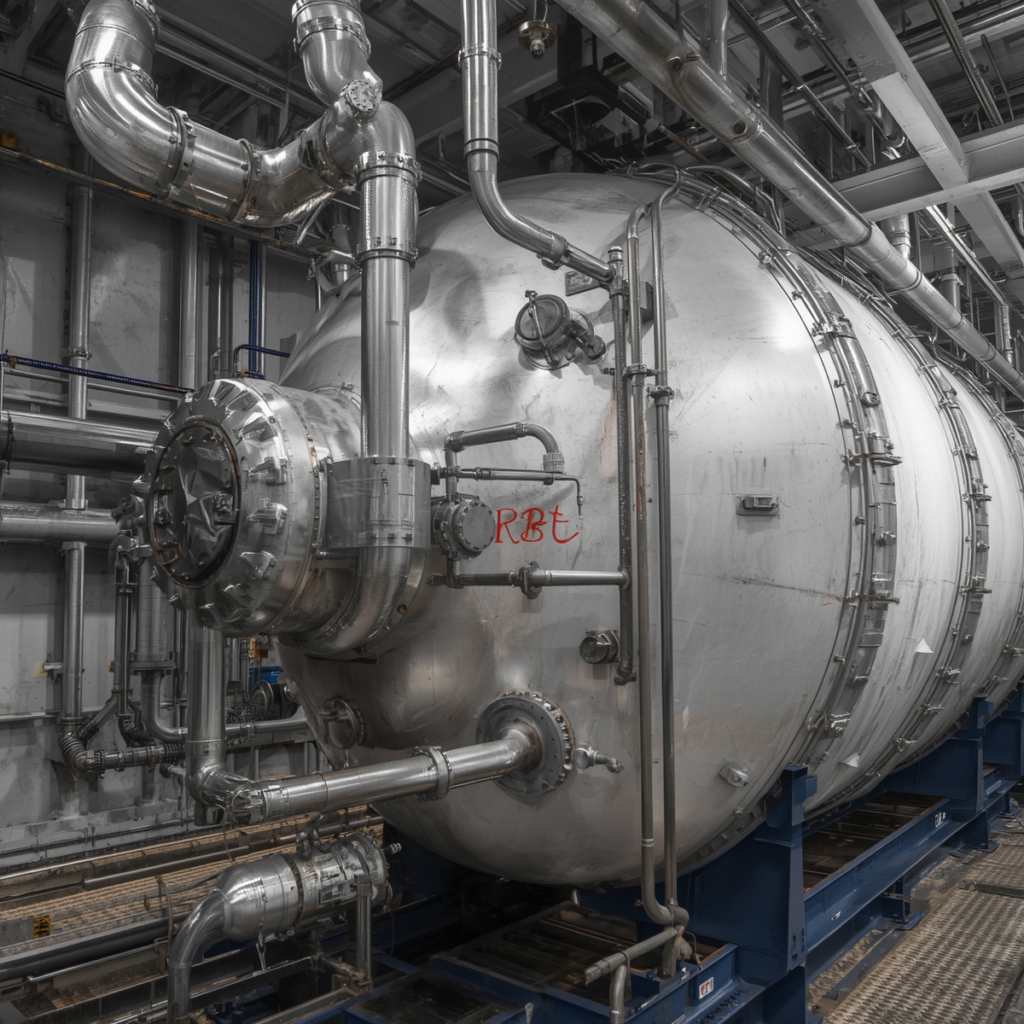
Advanced cryogenic containment systems are necessary for safe handling of hazardous gaseous fuels in transoceanic voyages, therefore modern commerce ships are fitted with secure ‘Sustainable Shipping Horizons’ for liquefied gas at sea. Natural gas needs to be cooled to around $-162circtextC$ to remain a liquid, shrinking its volume by 600 times for efficient storage on ships.
Modern ships are furnished with double-walled Type B or Type C independent fuel tanks insulated with extensive layers of polyurethane foam to reduce thermal loss. This strong cryogenic storage network is a heavy-duty fuel delivery system employing automated boil-off gas (BOG) management loops to compress and feed departing vapours directly into the main propulsion line or auxiliary generation units.
Managing Liquid Boil-Off Gas via High-Pressure Compressors
Active boil-off gas management systems are an important element to ensure that shipboard fuel networks are in line with the ‘Sustainable Shipping Horizons’ without losing vital fuel energy. During extended open ocean transits, a small fraction of the liquid methane is constantly vaporised as a result of heat entry from the ambient. Instead of releasing these gases, the vapours are drawn into automated onboard compressors that raise the pressure to the level required by the dual-fuel engine’s fuel rail. What was a safety problem becomes a useful source of extra power.
Double-Walled Fuel Lines and Automated Inert Gas Venting
Operators can develop safe propulsion systems that can perform sophisticated ‘Sustainable Shipping Horizons’ without jeopardising crew safety by installing a robust, multi-layer safety barrier over all gas supply lines. All fuel lines flowing through the ship’s internal compartments are double-walled, the outer jacket regularly cleansed with inert nitrogen gas. This interstitial region is constantly monitored by high-sensitivity hydrocarbon sensors and, should a very little leak of methane be detected, automated fast-acting isolation valves immediately lock down the fuel line.
Neutralizing Methane Slip with Advanced Combustion Software
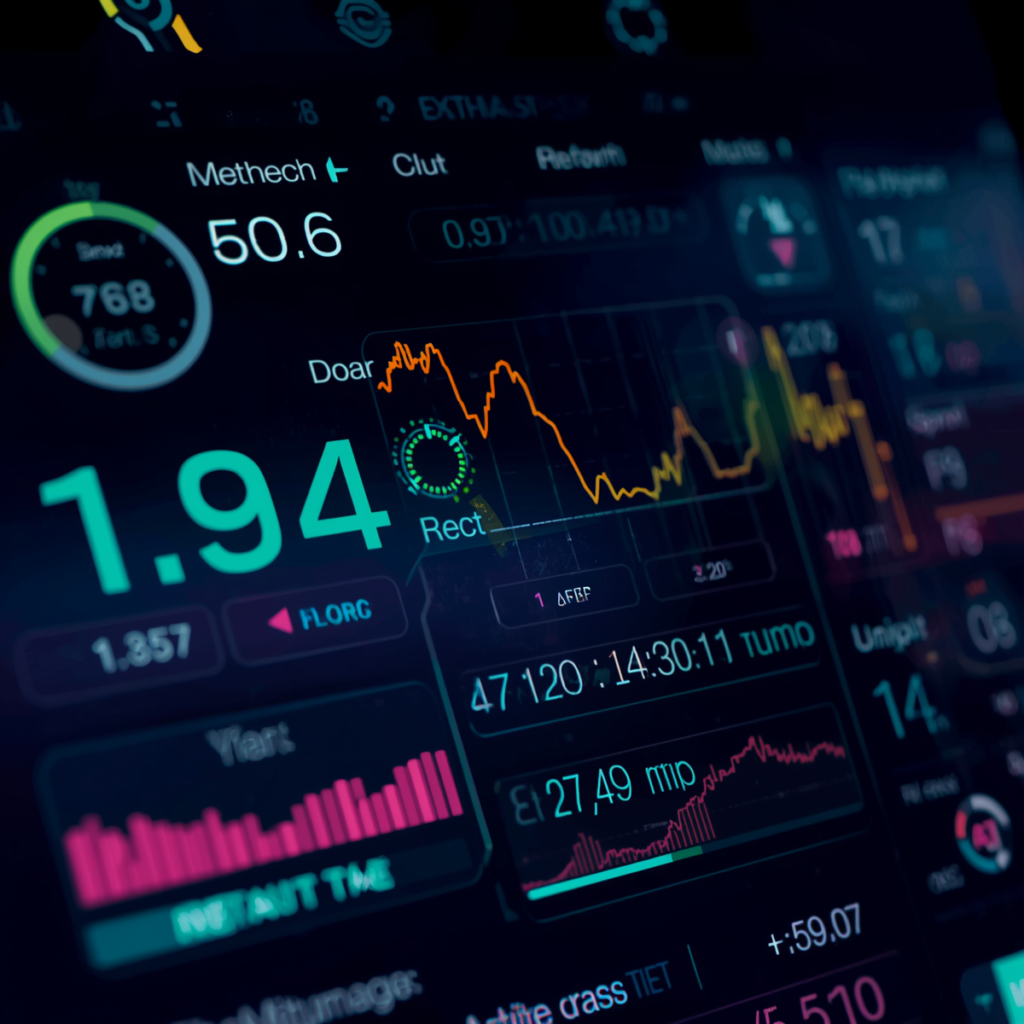
One of the key technological challenges for shipowners who are aspiring for real “Sustainable Shipping Horizons” is to minimise unburned fuel emissions from large-bore internal combustion engines. Methane slip is when small pockets of unburnt gas pass out through the exhaust valve during the scavenging stroke. Methane slip is counter to the net greenhouse gas benefits of LNG.
Modern marine engine designers get rid of this problem with the use of high frequency combustion analytics software and variable exhaust valve timing. In order to keep the fleet fully compliant with the international air quality regulations, the computer controls of the engine continuously vary the timing of the gas injection relative to the position of the moving piston to ensure the complete oxidation of the fuel in the combustion chamber.
Variable Exhaust Valve Profile Adjustments
Automated, variable hydraulic valve actuators allow modern marine powerplants to make timing changes, opening distinct “Sustainable Shipping Horizons” and reducing emissions during low-load operations. These adaptive actuation sequences are managed directly by the core automation frameworks detailed in Maritime Digitalization Pathways: Intelligently Automating Large Engines, where real-time engine telemetry dictates immediate hydraulic calibration.
By adjusting the timing of the exhaust valve during slow steaming, the control software allows additional time for the methane molecules to burn entirely inside the high temperature cylinder core. This precise valve control greatly reduces the quantity of residual gas leaking into the exhaust stream, maintaining high engine efficiency even in difficult harbour manoeuvre conditions.
Upgrading Combustion Chamber Geometries to Limit Dead Volumes
Redesigned physical shapes of piston and cylinder head allow modern cargo vessels to meet tough emission legislation, keeping fleet operations in sync with clean “Sustainable Shipping Horizons”. The old engine designs had few geometric voids or dead volumes around the piston crowns where fuel mixes may escape the primary flame. Modern dual-fuel engines have optimised piston bowls with smooth surfaces that push the injected methane into the hottest areas of the combustion chamber to ensure good mixing and complete, clean chemical oxidation.
The Synthetic and Bio-Methane Drop-In Pathway
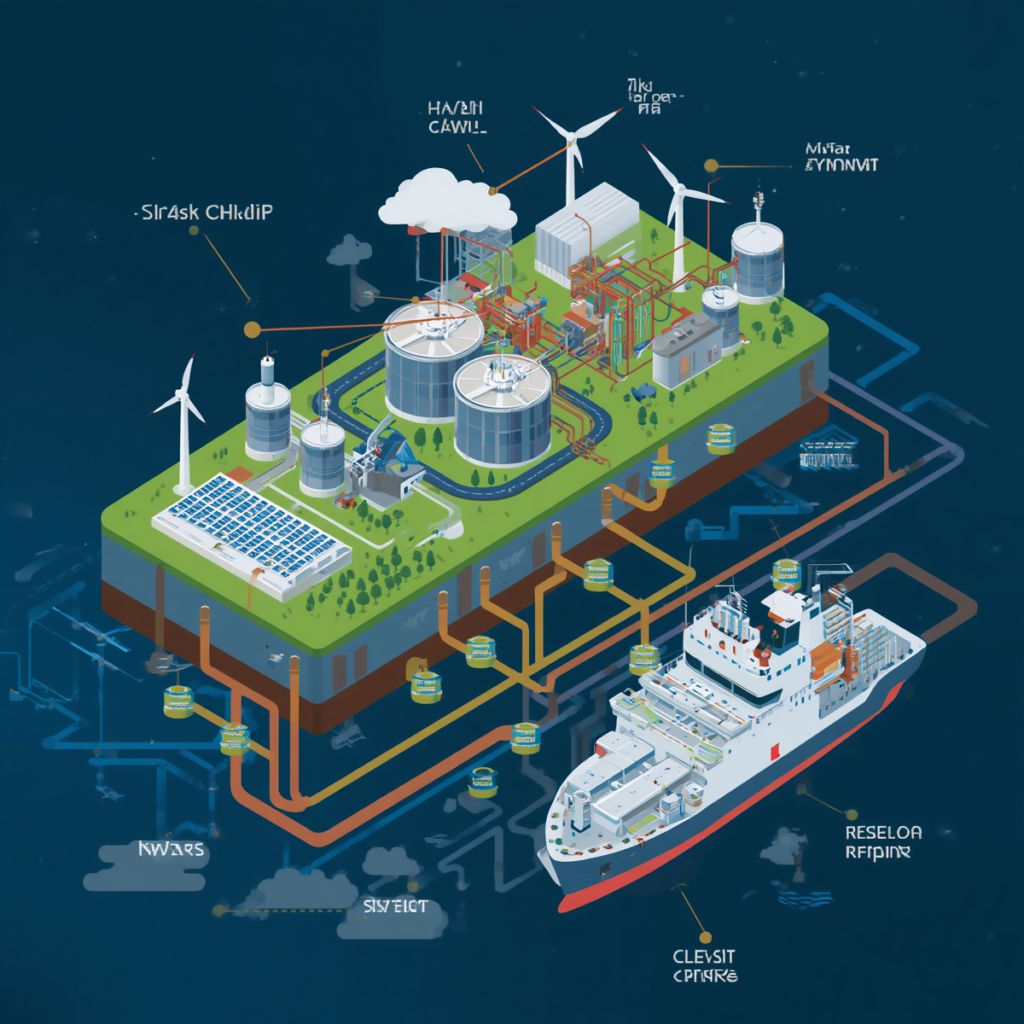
The long-term value of methane-fueled propulsion is that it is inherently compatible with future renewable fuels, so that international merchant vessels can sail through growing “Sustainable Shipping Horizons” without needing to replace costly machinery. LNG from fossils gives an immediate reduction in carbon intensity, but the engine architecture is a straight technical stepping stone to bio-methane (from organic waste) and synthetic e-methane (collecting carbon dioxide and combining it with green hydrogen).
Because these renewable alternatives are chemically equivalent to traditional natural gas, they may be mixed or swapped straight into existing onboard cryogenic tanks without a single mechanical adjustment to the vessel’s fuel or propulsion systems.
Exploiting Identical Chemical Structures for Seamless Fuel Swaps
International shipping lines can arrange their environmental compliance policies using highly efficient “Sustainable Shipping Horizons” with drop-in bio-methane. This means shipowners can sidestep large capital costs and operating downtime associated with a refit of a vessel’s machinery to unproven alternative fuels. As regional green fuel production facilities scale up, operators can slowly raise the share of renewable methane in their fuel mix and decrease their net carbon intensity scores without disrupting tight commercial shipping schedules.
Synthetic E-Methane as a Scalable Closed-Loop Energy Model
Modern cargo vessels may operate in a closed loop when synthetic e-methane networks are deployed, and long-distance logistics can be ensured to be sustainable “Sustainable Shipping Horizons”. The net amount of carbon dioxide released to the atmosphere during the ship’s ocean journey is fully offset by the carbon captured during production by use of captured industrial carbon dioxide as a primary feedstock for fuel generation. This sustainable fuel lifecycle enables a scalable pathway to real net-zero deep-sea shipping, with full utilisation of existing global port bunkering infrastructure.
Fleet Safety Management and Crew Training Protocols
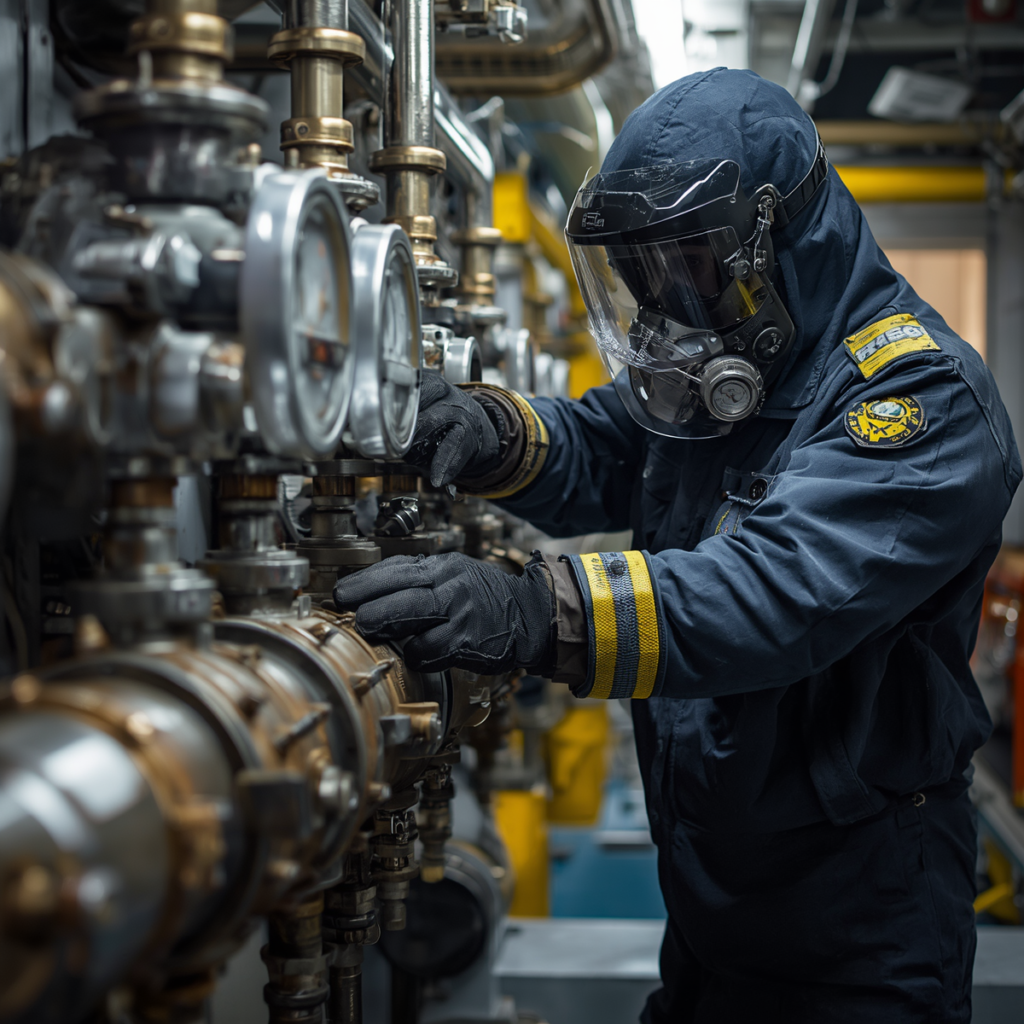
Strict operational criteria need to be implemented so that cryogenic fuel processing networks can be used on international commercial boats. Modern fleet managers need to ensure that they develop safe ‘Sustainable Shipping Horizons’. The very low temperatures required to maintain liquified gases in liquid form provide different operational concerns, such as embrittlement of structural steel in contact with the cold fuel, and the possibility of gas collection in confined spaces, etc.
To secure these high-tech propulsion spaces, ships must be fitted with comprehensive automated safety networks comprising permanent water spray curtains, explosion-proof electrical installations and real-time gas dispersion software. In addition, crew training programmes should be updated, with deck and engine officers becoming specially certified in handling advanced cryogenic fuels before going on watch on a new dual-fuel vessel.
Thermal Protection Shields Safeguarding Structural Hull Plates
The basic safety rule for shipowners applying current “Sustainable Shipping Horizons” is to install specific drip trays and thermal shielding under all cryogenic fuel connections. Normal wave action can break conventional marine steel as it becomes less flexible at liquid methane temperatures. Heavy stainless steel collecting trays and automatic water spray curtains protect the ship’s structural deck plating by rapidly vaporising any inadvertent fuel spills before they can cause localised structural damage.
Mandatory IGF Code Training for Next-Generation Mariners
There must be stringent educational standards across all shipboard departments to ensure crew members can safely carry out essential “Sustainable Shipping Horizons”. Maritime training facilities employ sophisticated dual-fuel engine room simulators to educate engineers on diverse operating issues, including rapid pressure increases in cryogenic tanks and emergency fuel tank purges. This is specialised training so that onboard crews can run the most advanced gas management systems with confidence and fleet safety is maintained continuously when they pass foreign waters.
High-Efficiency Methane Oxidation Catalyst Systems
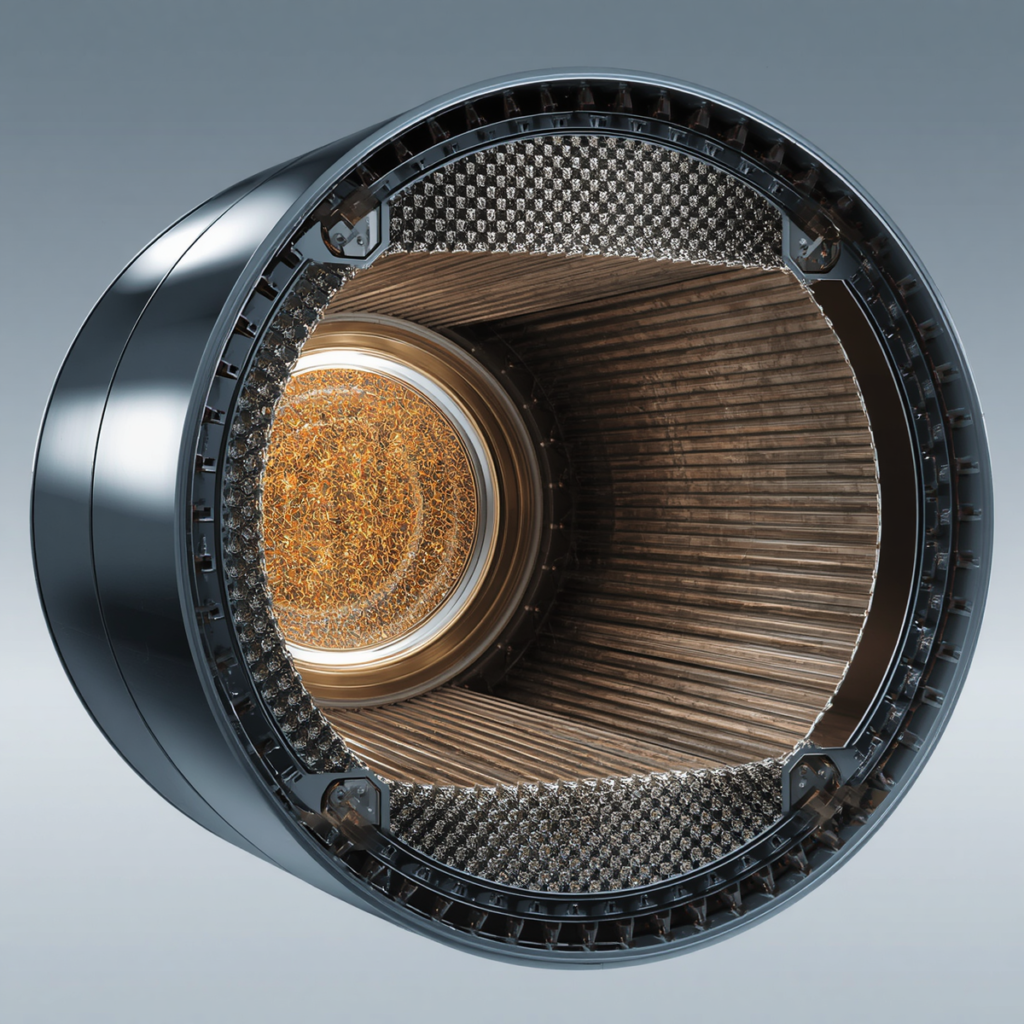
The final mechanical difficulties of gas-fueled transport are overcome by using innovative post-combustion treatment systems. It is true that the pursuit of real ‘Sustainable Shipping Horizons’ entails cleaning the exhaust stream after it leaves the engine cylinders. However, even with optimised geometries of the combustion chamber, tiny trace amounts of unburned gas are able to escape from the combustion zone during rapid load fluctuations. To prevent this, state-of-the-art dual-fuel vessels are equipped with large-scale methane oxidation catalysts (MOC) incorporated in the exhaust gas casing.
These high tech devices work in conjunction with active Exhaust Gas Recirculation (EGR) loops that circulate the exhaust through a specific honeycomb substrate coated with precious metals such as platinum and palladium. This precious metal matrix initiates a low-temperature catalytic reaction, which oxidises remaining methane into water vapour and small quantities of carbon dioxide, thus effectively reducing net methane slip by up to 98% under real-world working conditions.
Palladium-Based Honeycomb Substrate Chemistry
Advanced noble metal compositions enable current ship systems to maintain clean “Sustainable Shipping Horizons” with minimal degradation of baseline engine backpressure. The palladium-based catalyst films reduce the activation energy for the chemical decomposition of the methane molecule (CH4). This means that even with the changing exhaust temperature during slow-steaming harbour manoeuvres the catalyst achieves a very high conversion efficiency and helps the ship to comply with the highest international clean-air regulations.
Preventing Sulfur Poisoning in Post-Combustion Exhaust Streams
Robust catalyst rejuvenation cycles ensure shipboard emission equipment follows successful “Sustainable Shipping Horizons” preserving expensive mechanical components from chemical degradation. Catalyst poisoning: This is where the active sites of the catalyst get coated over time by trace levels of sulphur in the pilot fuels used. To do this, modern emission control software will periodically generate small thermal spikes in the exhaust stream that safely burn off sulphur compounds and totally restore the catalyst to its previous methane-destroying effectiveness.
Global Bunkering Logistics and Ship-to-Ship Fueling Safety
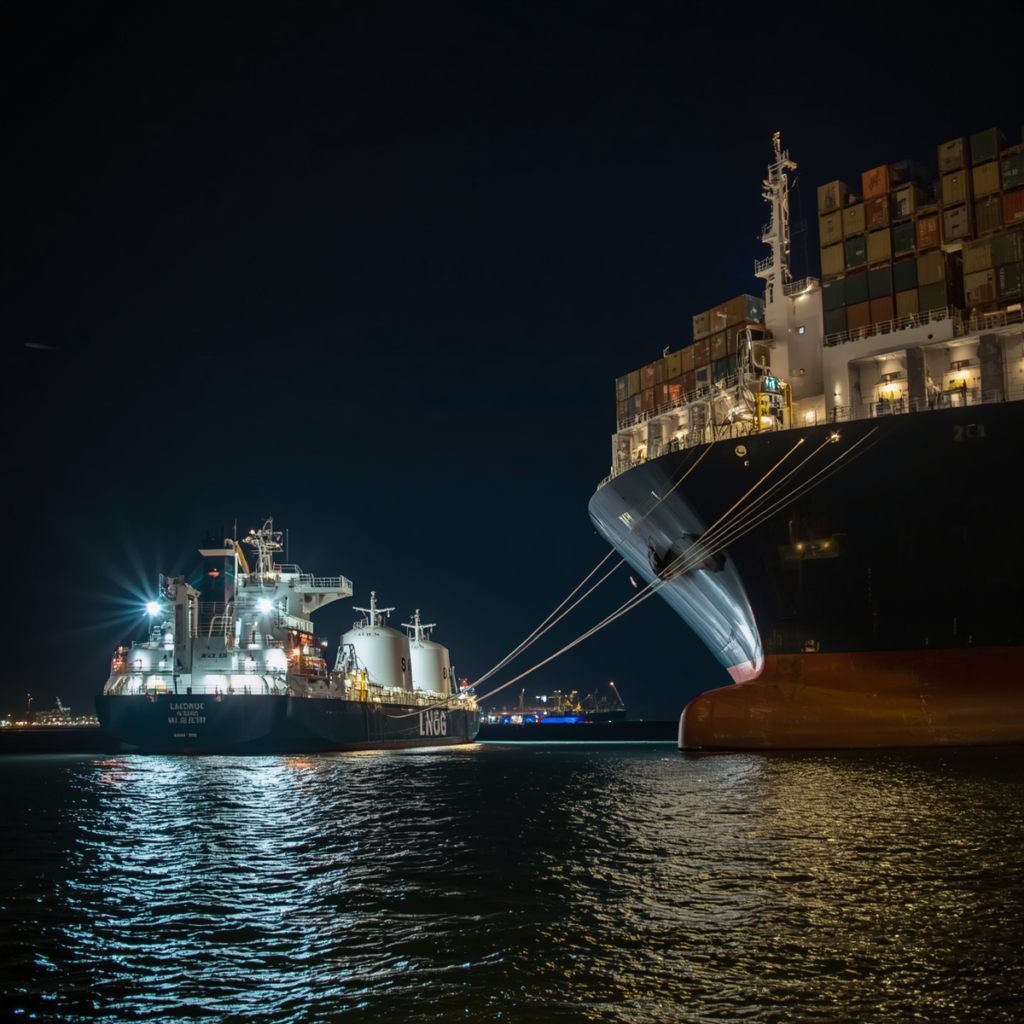
To extend the operational range of clean-fueled cargo fleets, a durable network of deep-water port infrastructure needs to be developed, demonstrating that the worldwide “Sustainable Shipping Horizons” are largely dependent on synchronised bunkering logistics. The maritime sector has evolved from being totally reliant on truck-to-ship fuelling to the emergence of a sophisticated fleet of dedicated Ship-to-Ship (STS) cryogenic bunker barges operating at major global shipping centres including Singapore, Rotterdam and Shanghai.
These specialised bunker tankers are fitted with high capacity cryogenic liquid pumps and automated sub-cooling systems allowing them to transfer thousands of cubic metres of liquefied natural gas to ultra big container ships during tight port turnaround periods. SIMOPS, or simultaneous operations, allow container ships to load or unload cargo while safely bunkering cryogenic fuel, maintaining tight supply chain timelines.
Emergency Breakaway Couplings and Dry-Disconnect Valves
Ports may establish safe fuelling networks for the developing “Sustainable Shipping Horizons” by equipping all transfer lines with automated, fail-safe connecting hardware. Evaluating these configurations through specialized technical reviews, such as LNG Bunkering: Ship-to-Ship Transfer System Design Lessons, highlights the critical role that robust hardware plays during high-volume operations.
Flexible cryogenic liquid hoses used for ship-to-ship transfers are fitted with specialised dry-disconnect valves and hydraulic emergency breakaway couplings (EBC). If an unforeseen movement of the hull or a rapid, violent wave causes the two ships to move outside their safe working distance, the internal valves close immediately before the physical coupling is broken so that all cryogenic liquid is not released into the marine environment.
Vapor Return Lines Paving the Way for Zero-Emission Transfers
Modern cargo networks are capable of deploying closed-loop vapour recovery setups during high volume fuelling operations to achieve clean operational profiles and enhance “Sustainable Shipping Horizons”. As the cold liquid fuel is poured into the insulated storage tanks of the receiving vessel it will naturally displace the existing petrol vapours within the tank. This gas is not released to the sky but instead is routed back to the processing system of the bunker barge through a secondary vapour return line where it is chilled, reliquefied and stored, thereby making the transfer of fuel from ship to ship complete and sealed.
Conclusion
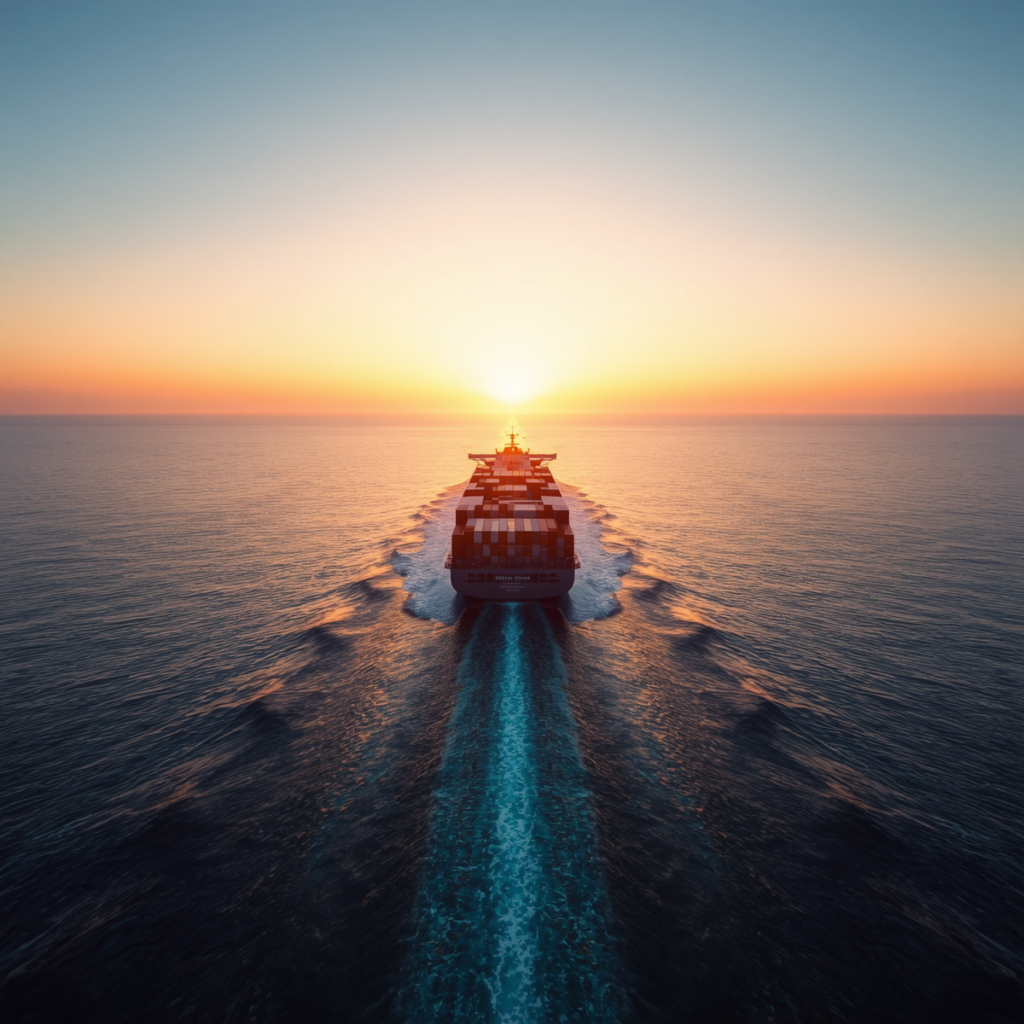
The move from dirty residual oils to clean-burning methane applications structurally shows that the worldwide shipping sector relies on strong “Sustainable Shipping Horizons” to reach its long-term environmental goals. Today, modern cargo carriers may dramatically lower their emissions profiles with dual-fuel engine architectures and improved cryogenic confinement while developing the fundamental fuel infrastructure needed for the future.
With the maritime sector still not having decided on what the ultimate zero-carbon fuel for 2050 will be, the methane pathway offers a realistic, immediate option supporting both bio-methane and synthetic e-methane drop-in alternatives. By investing in these highly flexible, software-driven propulsion assets, global shipping lines can navigate changing carbon regulations with full confidence and ensure that the critical maritime trade networks underpinning global commerce will remain efficient, safe and environmentally sustainable for generations to come.
People Also Ask
What is methane slip in dual-fuel marine engines?
A fuel issue addressed on ‘Sustainable Shipping Horizons’ employing variable valve timing loops. Small pockets of unburned natural gas that escape during the exhaust stroke.
Can existing LNG ships burn renewable bio-methane?
Yes, because they have the same chemical structures, they enable obvious “Sustainable Shipping Horizons” for direct fuel swaps without any need for any adjustments of assets on ships.
Why must marine methane be stored cryogenically?
Natural gas is liquefied at -162°C, reducing its volume 600-fold. This enables the dense storage of fuel in insulated tanks on vessels. This opens the door to feasible ‘Sustainable Shipping Horizons’.
How do double-walled fuel lines protect ship crews?
The outer jacket, filled with pressurised nitrogen gas, isolates any leaks and supports safe ‘Sustainable Shipping Horizons’ by triggering quick fuel shutdowns if gas is encountered.