Introduction
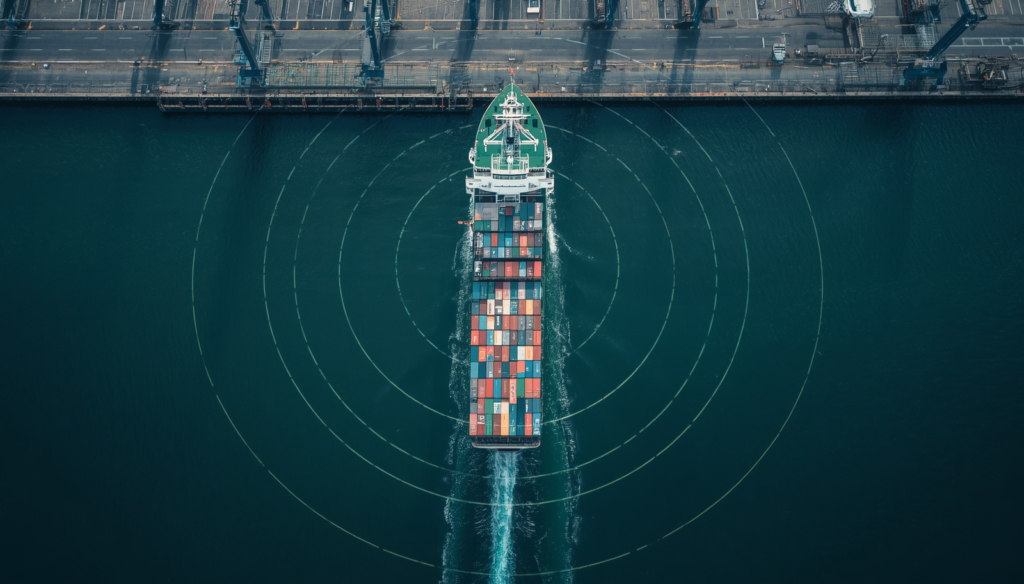
There is an unprecedented change in the enforcement framework of international maritime logistics. There are strict “Regulatory Compliance Waves” against dangerous exhaust emissions. For many generations the world’s merchant fleet has sailed with considerable latitude in terms of fuel composition resulting in high concentrations of sulphur oxides (SOx) and fine particulate matter (PM) in coastal atmospheres. The global sulphur restriction introduced by the International Maritime Organization (IMO) which limits the sulphur content of fuel oil to a maximum of 0.50%, and to as low as 0.10% in designated Emission Control Areas (ECAs), has irrevocably changed fleet economics.
To ride these stormy ‘Regulatory Compliance Waves’, shipowners must opt for expensive low-sulfur distillates, alternative clean fuels or retrofitting older hulls with exhaust gas cleaning systems. With regional port authorities deploying sophisticated drone-based sniffers and satellite monitoring grids, absolute transparency is now a must, and environmental compliance has gone from being a minor operating factor to a basic indicator of survival for global shipping companies.
Table of Contents
The Chemistry of Exhaust Gas Scrubbing
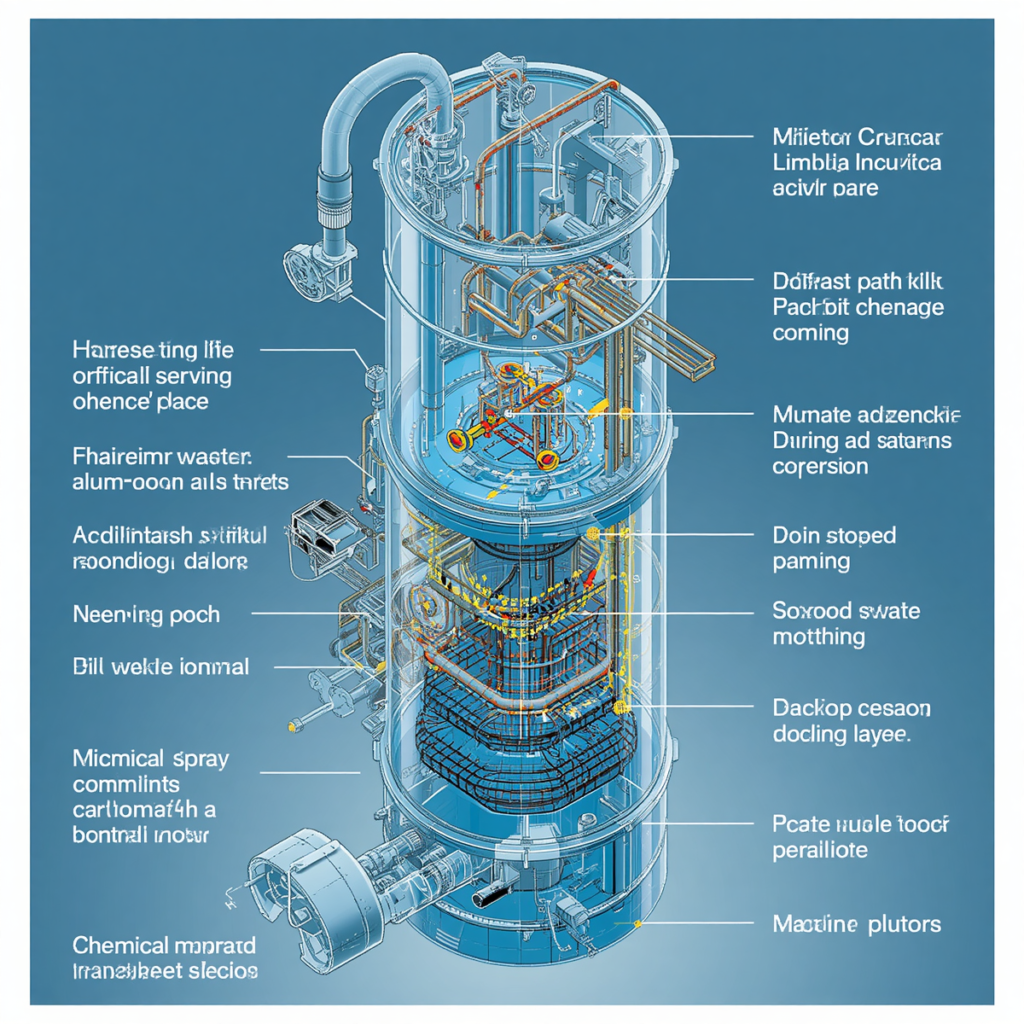
Surviving “Regulatory Compliance Waves” is significantly dependent upon improved post-combustion treatment, as retrofitting old heavy fuel oil infrastructure to meet modern environmental regulations needs a detailed understanding of chemical thermodynamics. Exhaust gas cleaning systems (EGCS), often called scrubbers, neutralise sulphur compounds by running exhaust plumes through an extensive chemical wash.
In open-loop systems, the inherent alkalinity of seawater reacts with sulphur dioxide (SO2) to convert dangerous gaseous emissions to innocuous, soluble sulphate ions (SO4^{2-}. Automated systems are used to optimise the distribution of spray nozzles and liquid-to-gas ratios within the scrubber tower to neutralise acidic pollutants in mid-air, enabling boats to continue using cost-effective residual fuels while completely complying with worldwide air quality requirements.
Alkaline Seawater Reactions and Sulfate Transformation Loops
Open-loop scrubbing technique is based on a continuous chemical cycle that enables boats to weather changing “Regulatory Compliance Waves” without carrying enormous volumes of chemical reagents. Grounding these setups in strict rules for Exhaust Emission Abatement ensures the hardware safely coordinates with the natural alkalinity of seawater.
The natural bicarbonates in the ocean water react immediately with the hot exhaust gas stream to absorb sulphur dioxide molecules. The high-speed contact ignites an almost instantaneous oxidation reaction, transforming the sulphurous acid into stable sulphates that may be safely discharged to the sea, in accordance with strict washwater discharge standards
Closed-Loop Sodium Hydroxide Dosing Frameworks
Marine engineers surf the tight “Regulatory Compliance Waves” of local regulations in low-salinity brackish seas and carefully protected ports by shifting machinery to a closed-loop operating mode. A particular arrangement has been made using a circular washwater loop which is continuously treated with carefully controlled quantities of sodium hydroxide (NaOH). The chemical addition maintains a high wash fluid pH, rapidly neutralises sulphur fumes and traps the resulting salt residues in onboard sludge tanks for safe disposal ashore.
Multi-Stage Particulate Matter Capture and Electrostatic Traps

cleaning towers are great for cleaning sulphur gases but it takes unique physical collection methods to capture micro-fine soot particles. Fleet managers are forced to use multi-stage filters to comply with new “Regulatory Compliance Waves.” Ships operating close to inhabited beaches pose a major threat to human health through particulate pollution (unburned carbon, heavy metals and ash).
Modern emission systems combine classic water-wash scrubbing with high efficiency electrostatic precipitators (ESP) positioned inside the primary exhaust ductwork. The exhaust smoke is sent through a high voltage ionisation field, which charges the soot particles negatively, so they attach to the positively charged collection plates instead of being released to the global environment.
Ionization Fields and Particle Agglomeration Cycles
Electrostatic charge networks can be included in the exhaust system of modern container boats to meet severe environmental standards keeping them ahead of accelerating “Regulatory Compliance Waves”. The fine particulate matter passes through the high voltage charging grid where molecules become unstable and agglomerate into larger physical masses. This aggregation of the particles makes it much easier to remove the heavy carbon debris from the high-speed gas stream by downstream mechanical cyclonic separators.
Managing Washwater Sludge and Onboard Centrifugal Separation
The treatment of highly concentrated wastewater created by particulate filters is of great importance to assist ship operators comply with sustainable “Regulatory Compliance Waves” without secondary marine contamination. The polluted washwater is continuously fed to high-speed disc-stack centrifuges onboard. These automatic separators eliminate heavy carbon sludge, unburned lubricants and metallic particles, and compact the trash into a dense cake while cleaning water to pristine standards before it leaves the vessel.
Electronic Fuel Injection Mapping for Low-Sulfur Distillates

The move of an engine from high viscosity heavy fuel oil to ultra-low-sulfur fuel oil (ULSFO) presents major mechanical issues that require precise computational management to properly meet the shifting “Regulatory Compliance Waves.” Very low sulphur distillates have a much lower viscosity and lubricity than standard residual fuels thereby increasing the danger of scuffing of the fuel pump and internal fuel slippage.
To fight this, new maritime power plants use clever electronic common-rail fuel injection systems. The engine control computer uses real-time telemetry from temperature and pressure sensors to dynamically alter the parameters of the fuel rail, optimising injection timing and fuel atomisation patterns to avoid engine stall or premature component wear during key fuel changeover manoeuvres.
Adaptive Fuel Valve Timing for Density Fluctuations
Automated, software-driven fuel injection profiles allow large-bore marine engines to be maintained at consistent power levels on a number of fuel types, thus eliminating the influence of unanticipated ‘Regulatory Compliance Waves’. This capability mirrors the adaptive multi-fuel engineering concepts detailed in Sustainable Shipping Horizons: Clean Methane Transitioning Ocean Fleets, where systems must dynamically adjust to fluctuating alternative fuel densities.
If the system senses that the fuel density is dropping, the control software will respond by increasing the length of the fuel valve opening. This microsecond adjustment guarantees that just the right amount of energy for full combustion enters the cylinder, keeping thermal efficiency high and not overloading delicate fuel pumps
Continuous Fuel Oil Chiller Loop Activation
The implementation of automated fuel cooling networks is a must for ship owners converting to low-sulfur distillates to comply with the regional “Regulatory Compliance Waves”. Low sulphur fuels thin out fast at normal engine operating temperature hence automated chiller loops are built right into the fuel supply module. The software monitors the incoming fuel rail temperature and runs the cryogenic heat exchangers to cool the distillate to the right temperature to preserve the viscosity within the exact tolerances to protect fuel injection pumps from friction damage.
Continuous Emissions Monitoring Systems (CEMS) and Digital Auditing
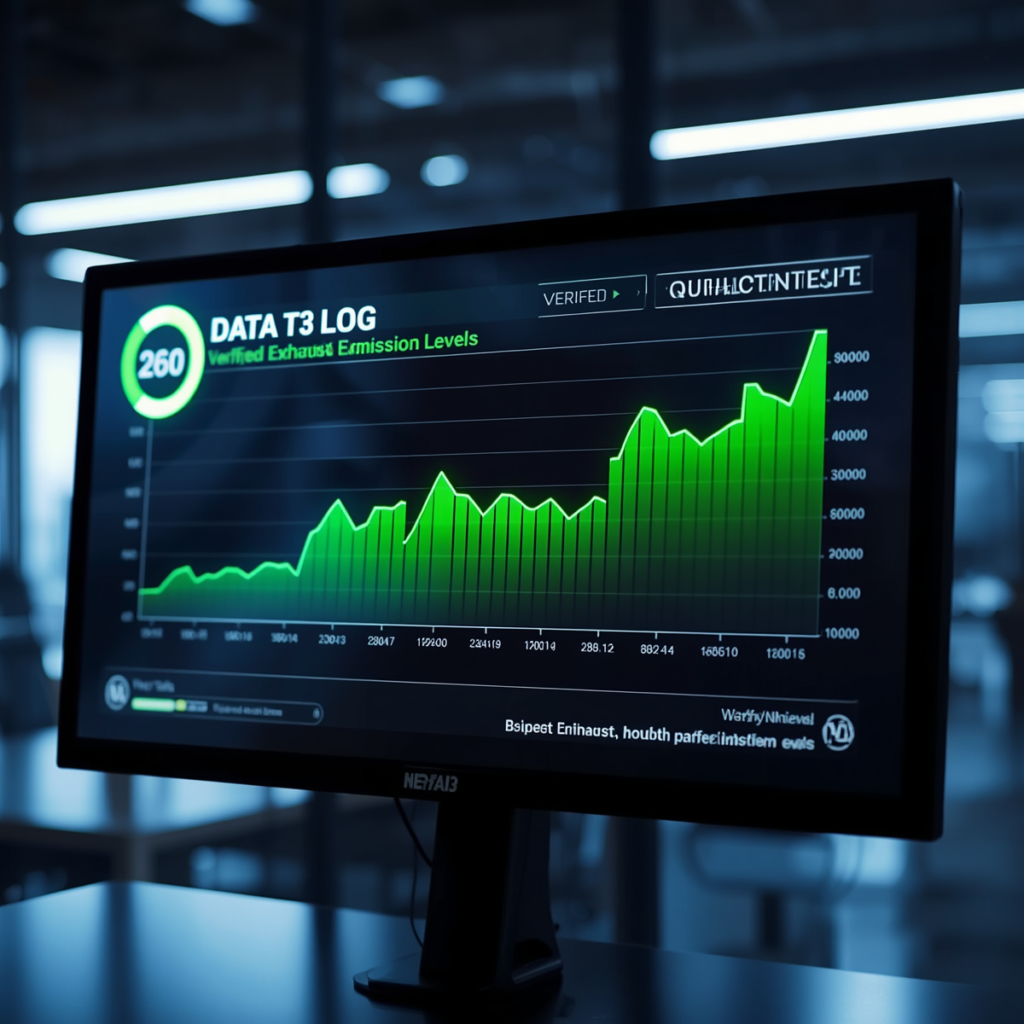
One of the hallmarks of modern “Regulatory Compliance Waves” is the movement from manual, paper-based logbooks to cloud-verified environmental tracking systems. Today port state control officials are not relying on physical samples of fuel only because newer ships are required to carry sophisticated Continuous Emissions Monitoring Systems (CEMS) installed inside the exhaust stacks.
Automated sensor suites employ non-dispersive infrared (NDIR) gas analysers and flame ionisation detectors to monitor real-time outputs of SOx, NOx, and carbon dioxide. This data is automatically encrypted and stored to a secure tamper-proof digital database, allowing regulatory bodies an unalterable operational history showing full compliance across international trade corridors.
Automated Satellite Data Uplinks for Compliance Transparency
With real-time satellite telemetry, international shipping companies may expedite their compliance processes and surf difficult “Regulatory Compliance Waves” without friction. The onboard CEMS hub can be programmed to automatically broadcast emission parameters directly to onshore fleet management offices and port authorities via secure maritime satellite networks. This upfront data transparency allows vessels to obtain green port clearance even before they drop anchor, avoiding costly delays for inspection.
Optical Smoke Density Meters and Opacity Telemetry Tracking
High precision optical opacity meters will guarantee fleet operations are entirely compliant with localised “Regulatory Compliance Waves” transiting near sensitive eco-zones. These optical sensors send a constant laser beam over the inside diameter of the exhaust stack, measuring how much light is obscured by particulate matter passing through. If the smoke density goes beyond a pre-set limit, the automatic system promptly warns the watch officer, enabling the crew to fine-tune the combustion parameters prior to the emission of visible smoke leading to an official port violation.
Transitioning to Alternate Low-Carbon Distillates
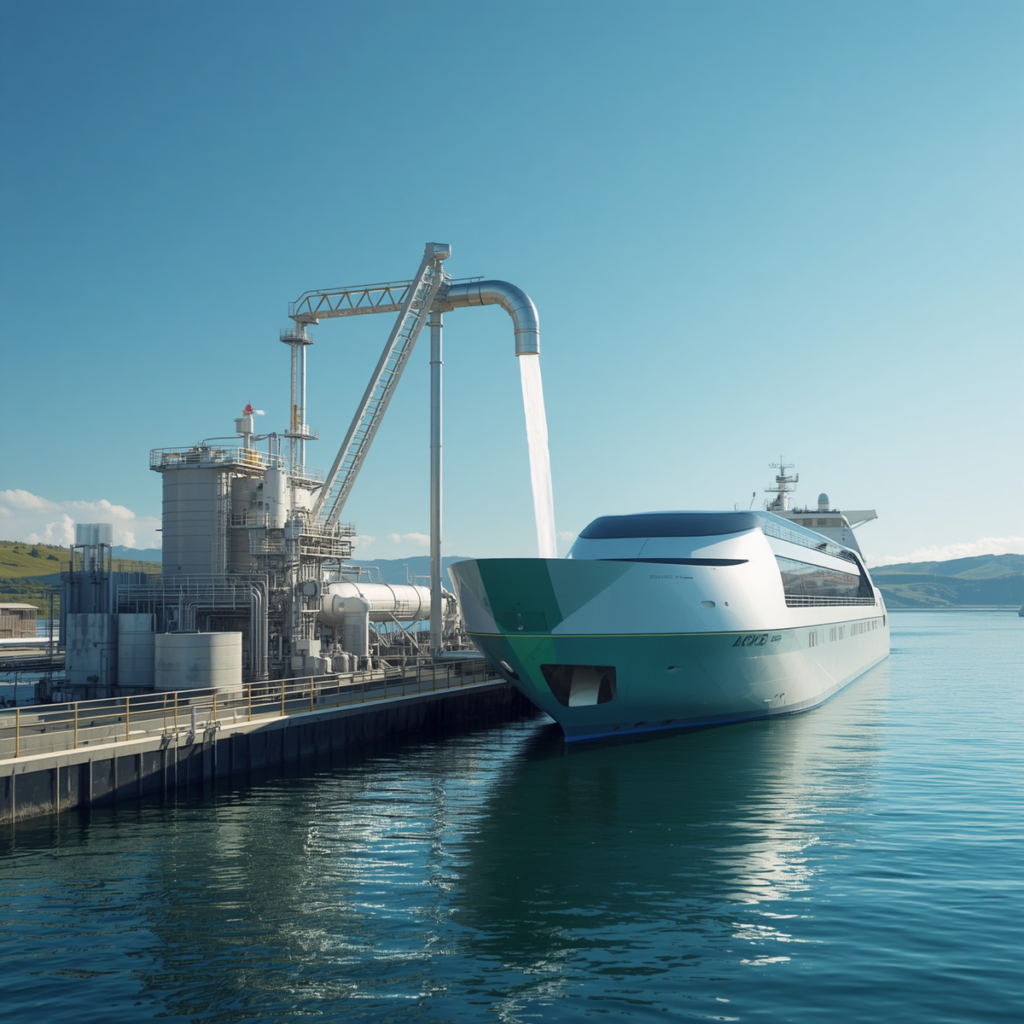
The ultimate solution for traversing more stringent “Regulatory Compliance Waves” is the incremental deployment of next-generation drop-in low carbon distillates. Scrubbers and low-sulfur petroleum fuels provide intermediate compliance but long-term sustainability objectives will necessitate a transition to biofuels, green methanol and synthetic diesel alternatives.
These innovative fuels are made from renewable feedstocks or captured carbon, thus they are completely free of native sulphur compounds and produce considerably lower particulate matter during the combustion process. This simple chemical shift allows shipowners to completely avoid complicated exhaust-cleaning technology, assuring full compliance with today’s and tomorrow’s worldwide air quality regulations.
Biofuels as Immediate Zero-Sulfur Drop-In Solutions
Advanced fatty acid methyl ester (FAME) biofuels allow international shipping lines to frame their decarbonisation strategies around existing assets and effectively ride off advancing “Regulatory Compliance Waves.” These renewable distillates can be blended directly into the normal marine petrol oil tanks without the need for expensive structural retrofits. The absence of any aromatic sulphur compounds in the raw fuel means that there is no possibility of sulphur oxide emissions at all, and it can provide a turn-key solution to any vessel operating in highly controlled seas.
Scaling Up Green Methanol Infrastructure for Clean Transits
Modern cargo fleets may operate with a high degree of sustainability using Green methanol fuel networks, for long-term success against tough “Regulatory Compliance Waves”. In specialist dual-fuel marine engines, green methanol creates a very translucent exhaust stream without significant ash and soot particles. This zero-sulfur option gives a clear path for full environmental compliance in deep-sea trading networks, as worldwide green fuel corridors expand.
Selective Catalytic Reduction (SCR) Systems for Comprehensive Compliance
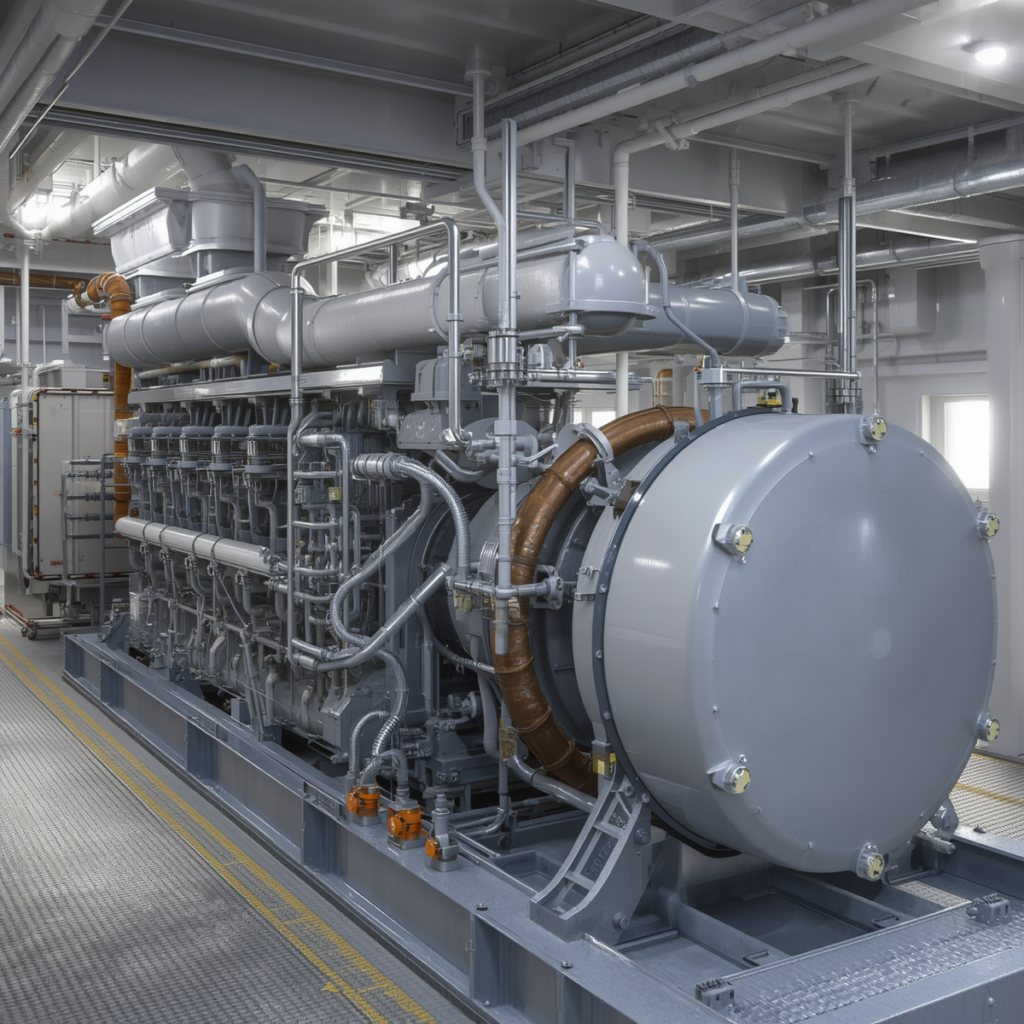
With the increasing environmental regulations, NOx control is no longer independent of sulphur removal such that a multi-pollutant exhaust treatment approach is required to navigate the today’s “Regulatory Compliance Waves”. Scrubbers are quite efficient at neutralising the sulphur oxides . However, SCR systems are often added downstream of scrubbers to reduce dangerous nitrogen emissions . An SCR system utilises a precise aqueous solution of urea, more often known as AUS40, which is injected directly into the hot exhaust gas stream prior to its entry into a catalytic reactor.
The extreme heat causes urea to degrade into ammonia (NH3) which combines with the nitrogen oxides on a specific titanium dioxide or vanadium pentoxide catalyst grid. This chemical process converts hazardous pollutants into perfectly innocuous nitrogen gas (N2) and water vapour, enabling conventional two-stroke motor systems to meet Tier III emission standards under all operating situations.
Urea Decomposition and Ammonia Injection Optimization
The presence of ultra-responsive urea injection networks guarantees the large commercial boats an ideal reaction environment to be able to cope with sudden “Regulatory Compliance Waves”. Insufficient urea injection stops the system from getting rid of nitrogen molecules, while too much urea leads to “ammonia slip,” meaning ammonia that hasn’t reacted is released into the air. Automated dosing controllers monitor engine RPM, load changes and turbocharger exhaust parameters in real time, accurately synchronising fluid spray with exhaust mass flow for total molecular reduction.
Managing Catalyst Operating Windows During Slow Steaming
“One of the main goals for engineers working under strict regional “Regulatory Compliance Waves” is to overcome low exhaust temperature barriers during slow steaming. The catalytic reduction process requires an operating temperature window of 300 deg.C to 400 deg.C to avoid the ammonium bisulfate condensation and subsequent fouling of the catalyst surface. When a vessel is throttled down in the vicinity of the coast, automatic exhaust bypass valves and auxiliary burner units are activated to maintain the required thermal thresholds and to keep the emissions treatment system in full operation.
Port Inspection Protocols and Drone-Based Exhaust Sniffing
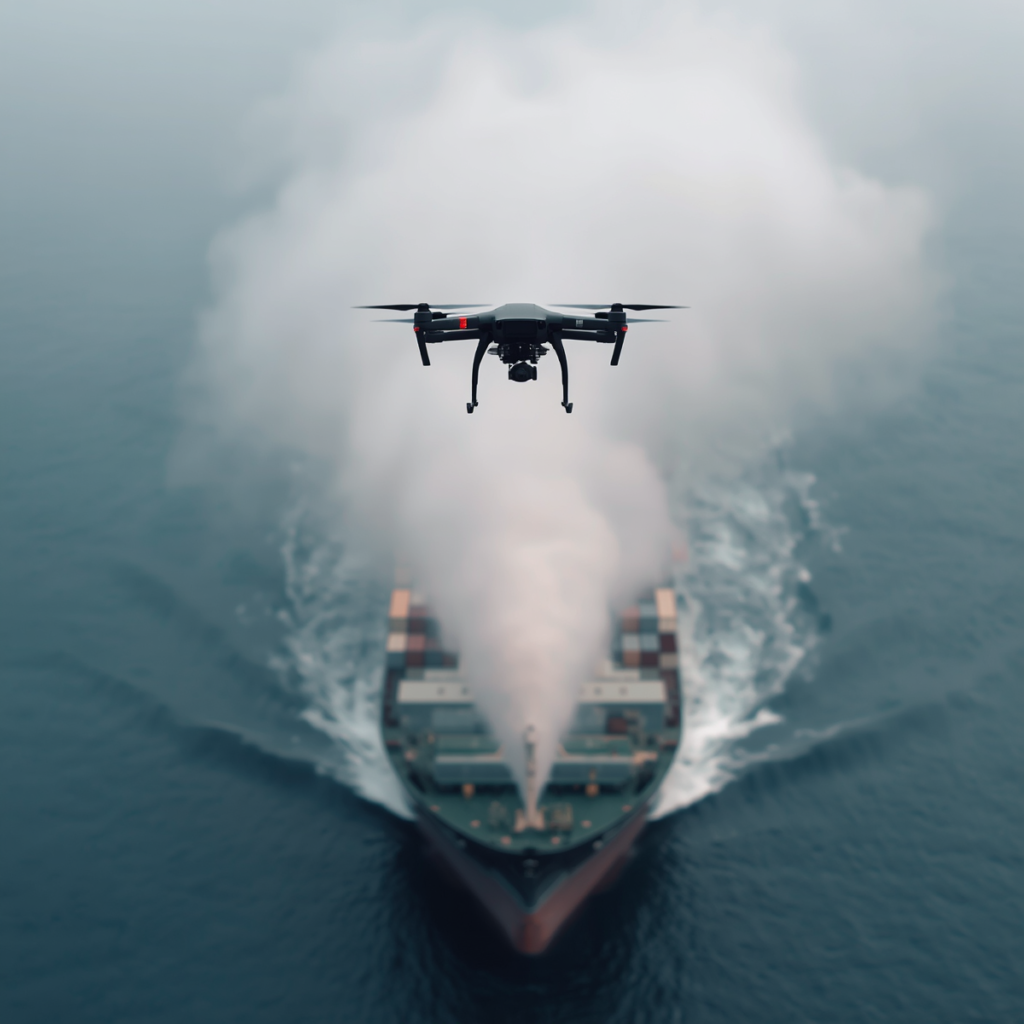
Maritime environmental law enforcement is moving towards real-time remote verification and this is driving ship operators to prepare for a new era of highly technical “Regulatory Compliance Waves”. Maritime border authorities and port state control officers have moved away from traditional time consuming fuel sampling, to establishing remote monitoring networks with great accuracy.
Drones with tiny non-dispersive infrared sensors and electrochemical sniffers are often sent to fly straight into the exhaust plumes of commercial ships as they approach. Still miles out at sea, these aerial equipment determine the exact ratio of sulphur dioxide to carbon dioxide (SO2/CO2) within seconds, providing an instant compliance profile that is sent to port databases before the vessel enters the harbour boundaries.
Sniffer Drone Calibration and Plume Intersection Tactics
For modern ship crews, knowing the specific methods of enforcement used by port states allows them to keep a clean record during high-stakes “Regulatory Compliance Waves”. Specialist drone pilots, from police boats or coastal stations, guide the airborne sensors into the densest part of a vessel’s exhaust stream. The onboard instruments calculate the quantity of sulphur in the fuel using carbon balance algorithms and can detect even little problems with fuel mixing or scrubber malfunction from miles away.
Remote Data Logging and Non-Compliance Penalty Risks
It offers an inflexible framework that modern fleets ride out global “Regulatory Compliance Waves” by the incorporation of remote sensor arrays into international maritime legislation. If an airborne sniffer identifies a profile of emissions beyond the permissible limit, the data is flagged automatically as a high-priority violation in the port’s central logistics network. This results in prompt physical enforcement on berthing which means required fuel system audits, substantial financial penalties or vessel detention orders that might interrupt tight international cargo delivery timetables.
Conclusion

The rising tide of worldwide environmental obligations is evidence that the future of modern marine commerce rests on the adoption of robust techniques to handle inevitable “Regulatory Compliance Waves.” Whether a fleet invests in high-capacity exhaust gas scrubbers, upgrades to advanced electronic common-rail mapping or moves towards zero-sulfur renewable distillates, passive non-compliance is no longer an option. Every metric tonne of exhaust gas is under complete scrutiny of international authorities due to high-frequency Continuous Emissions Monitoring Systems.
These advanced engineering advances and software enabled compliance loops will help global shipping lines to minimise their sulphur and particle footprint now. The marine industry is turning regulatory pressure into an opportunity to modernise propulsion assets, ensuring that the essential trade routes that drive global commerce remain deeply clean, safe and efficient for the future.
People Also Ask
How do open-loop scrubbers remove sulfur from ship exhaust?
They spray natural saltwater into exhaust plumes, employing marine alkalinity to convert hazardous sulphur dioxide to soluble sulphates that meet “Regulatory Compliance Waves.”
What is the purpose of an electrostatic precipitator on a ship?
It ionises incoming smoke particles with a high-voltage grid and collects micro-fine carbon soot on collection plates to satisfy regional “Regulatory Compliance Waves.”
Why do low-sulfur fuels require automated chiller loops?
Low-sulfur distillates thin down at high temperatures and require active freezing to maintain fuel viscosity below safe limits to survive “Regulatory Compliance Waves”.
What data do Continuous Emissions Monitoring Systems track?
They employ exhaust infrared analysers to transmit immutable real-time records of sulphur, nitrogen and carbon emissions to achieve current “Regulatory Compliance Waves.”