Introduction
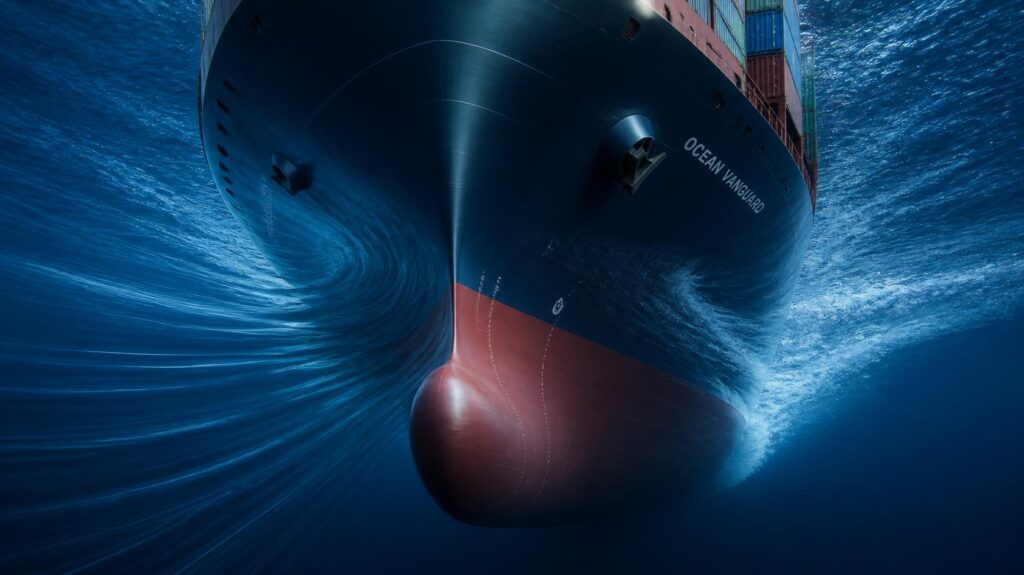
Maritime environmental rules have tightened to a tipping point with sharp increases in operational reduction targets. The previous speed reduction tactics have hit their limits, and international operators are now forced to face the hydrodynamic reality of hull resistance with aggressive “Frictional Drag Mitigation”. In alignment with the “2023 GUIDELINES FOR THE CONTROL AND MANAGEMENT OF SHIPS’ BIOFOULING TO MINIMIZE THE TRANSFER OF INVASIVE AQUATIC SPECIES“ the optimisation of the carbon intensity profile of a modern vessel is no longer a question of slowing down the engines to a crawl, but of optimising the hull’s interface with the water. This technical change is fundamentally based on the idea that regulatory survival is dependent on physical hull integrity.
Table of Contents
The Technical Limits of Global Slow Steaming Limits
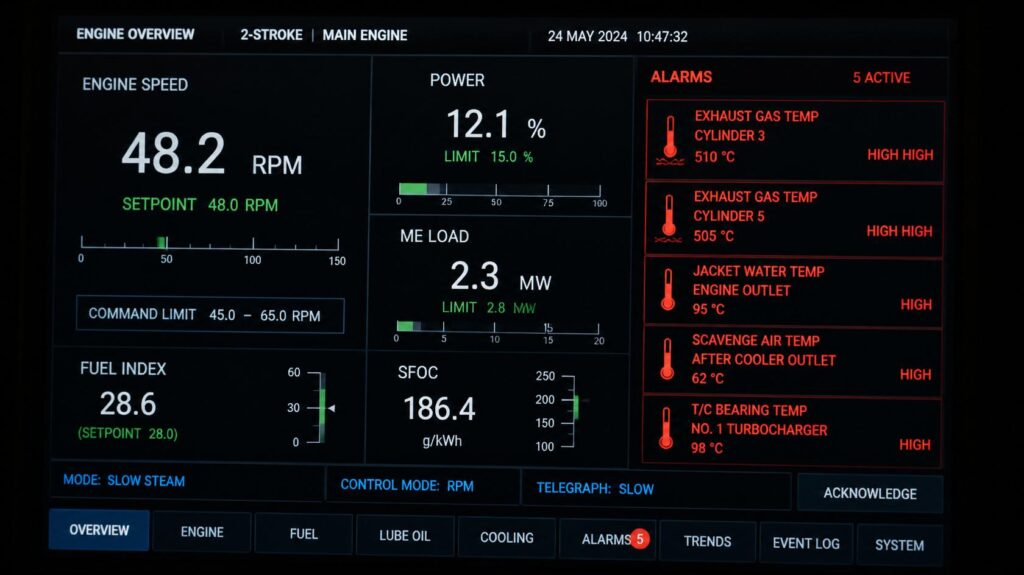
For many years, international ship operators have depended on slow steaming as their main instrument to decrease daily fuel usage and keep carbon emissions below acceptable bounds. However, the operational strategy’s boundaries were robustly laid bare when worldwide operational efficiency reduction hurdles hit a mandated 9% threshold. Just trying to get additional efficiency from the main propulsion plant by dropping rpm eventually runs into thermal issues and diminishing hydrodynamic benefits. Technical departments must move beyond simple engine load restrictions and apply physical “Frictional Drag Mitigation” techniques directly to the hull surface.
Reaching the Thermodynamic Floor of Main Engines
It is a major difficulty to run modern two-stroke marine diesel engines at low load profiles for long periods of time, leading to carbon deposit build-up and sub-optimal turbocharger performance. By only using speed reductions, instead of structural “Frictional Drag Mitigation” machinery longevity is reduced and the particular fuel consumption efficiency is severely lowered. Running the engine below its specified thermodynamic design sweet spot, exhaust gas temperatures fall making the waste heat recovery economisers totally ineffective and inadvertently lowering the ships overall carbon score.
The Diminishing Hydrodynamic Returns of Speed Reductions
The main engine fuel oil consumption is cubically reduced as the speed of the vessel is reduced but the operational benefits are ultimately offset when the structural hull resistance dominates. A ship that is not optimised and sails at lower speeds is wasting a large percentage of its energy battling friction when active Frictional Drag Mitigation technologies are not integrated. This constant aerodynamic and hydrodynamic drag compels the propulsion plant to expend additional fuel just to maintain basic steerage, pushing vulnerable boats closer to regulatory fines.
The Compounding Toll of Microscopic Marine Biofouling
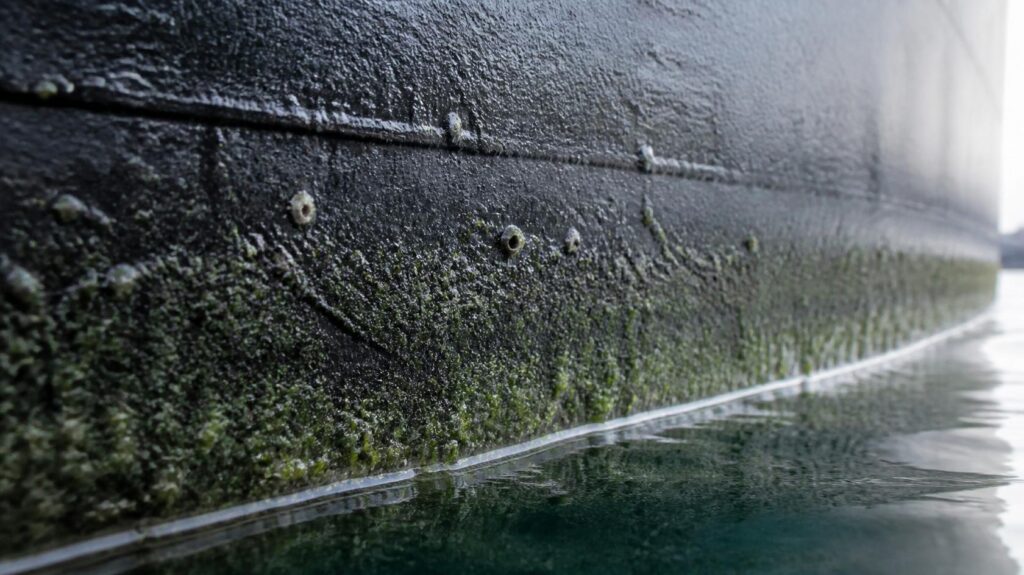
The physical development of marine biofouling is an increasing hazard to fleet operational compliance. Even tiny changes in hull roughness inflict immense damage to efficiency. Bacterial slime layers at the early stages could look innocent on simple visual inspections but they drastically change the boundary layer physics of the vessel at sea. The increase in microscopic roughness results in an increase in the overall engine power consumption required to sustain the commercial transit speeds desired by the charterers. If left unchecked, accelerated biofouling will quickly take the asset’s rating over regulatory limits. Structured “Frictional Drag Mitigation” becomes an absolute maintenance necessity.
The Impact of Early-Stage Marine Slime
The creation of a thin microscopic bio-film layer on the vertical walls of a vessel leads to an instantaneous increase of hydrodynamic resistance up to 15%. Operators who forget about this unseen drag pay a hefty fuel penalty, because the main engine has to work harder to overcome the increased friction. The only sure way to safeguard the vessel’s annual environmental rating from abrupt degradation and to stabilise its fuel profile is to systematically implement “Frictional Drag Mitigation” routines before barnacles are apparent.
Accelerated Degradation Across Shifting Trade Routes
In warm, tropical environments, the colonisation rate of biofouling is accelerated, and can exceed traditional sacrificial antifouling paint systems in a matter of months. As target-driven “Frictional Drag Mitigation” procedures are not undertaken during port stays, these rapid biological accumulations result in permanent, incremental damage to the vessel’s annual operating efficiency index. Technical superintendents must monitor this particular environmental drift using real-time performance telemetry so that localised fouling doesn’t compromise an otherwise optimised trip profile.
Retrofitting Advanced Ultrasonic Anti-Fouling Systems
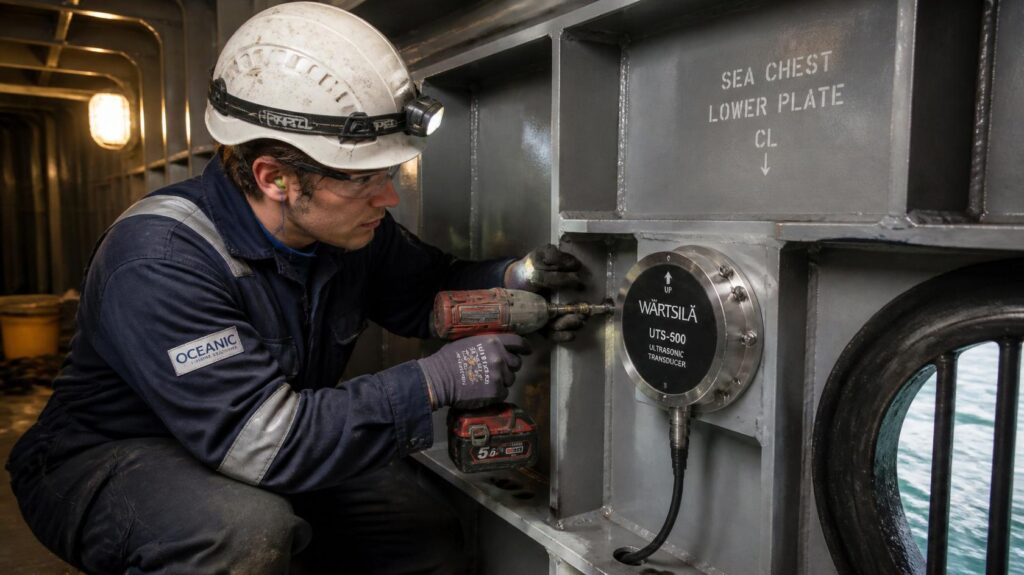
In an effort to maintain the integrity of internal pipe networks and specialised internal hull sections, it is necessary to move away from traditional chemical dosing methods to current ultrasonic technology. Retrofitting sophisticated acoustic transducer arrays onto key sea chests prevents the establishment of larvae before biological organisms may gain a permanent footing. This physical improvement guarantees that critical cooling systems have entirely unimpeded seawater input velocities under any trade conditions. The employment of acoustic technology is a significant advance toward the implementation of continuous, automatic “Frictional Drag Mitigation” at the source.
Acoustic Protection Inside Internal Sea Chests
The use of high-frequency ultrasonic transducer arrays induces permanent micro-structural oscillations on the interior sea chest plating, rendering the surface inhospitable for marine larvae. This active approach offers great “Frictional drag mitigation” by preventing biological fouling from ever getting to the point that it can impede critical saltwater cooling input loops. Clean internal flow profiles allow the vessel’s auxiliary machinery to operate under perfect thermal conditions, minimising secondary fuel spikes that endanger compliance.
Eliminating Toxic Chemical Antifouling Alternatives
By switching to acoustic transducer arrays, shipowners can reduce their dependence on old, environmentally harmful copper-ion dosing systems in their internal pipework. This technical change delivers the superior “Frictional Drag Mitigation” and aligns the vessel with the strictest of international environmental rules for the discharge of harmful chemicals in delicate ecological zones. They will be able to protect their shipboard data profiles by guaranteeing that internal cooling system performance is fully optimised without producing hazardous side effects.
Upgrading to High-Slip Fluoropolymer Hull Coatings
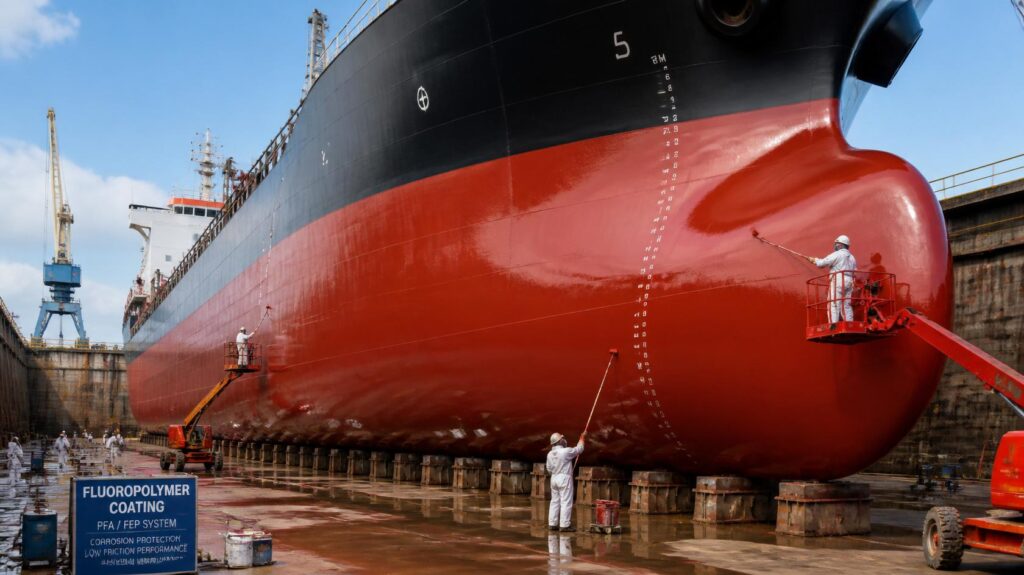
The best physical alteration to reduce long-term resistance is to carry out high-performance hull coating updates during scheduled dry-docking intervals. The switch from a traditional ablative biocidal paint system to a new ultra-smooth fluoropolymer foul-release coating irreversibly modifies the surface energy profile of the hull. These advanced slick coatings use advanced surface chemistry to form a hydrophobic barrier that prevents marine organisms from attaching successfully to the steel plates. This innovative material update offers a permanent and enduring layer of “Frictional Drag Mitigation” that will persist for years to come.
The Physics of Modern Foul-Release Coatings
Advanced fluoropolymer coatings form a microscopic low-energy surface layer that causes marine biofouling to naturally detach under the operation of hydrodynamic forces when the vessel reaches a certain speed. This permanent physical adaptation ensures ongoing self-cleaning “Frictional Drag Mitigation” throughout regular sea passages without the need for frequent forceful mechanical hull grooming operations. This creates a smooth surface that limits turbulent flow throughout the length of the ship so that energy of propulsion is used only for forward motion.
Long-Term Hull Smoothness Value Retention
The first cost for a premium fluoropolymer dry-dock conversion is more than typical systems, but multi-year fuel savings produce an extraordinary return. This novel coating eliminates the gradual deterioration of the surface roughness which often affects older hulls and provides optimum “Frictional Drag Mitigation” during the whole five-year docking cycle. Maintaining this smooth finish protects the shipowners from abrupt rating reductions which occur when traditional paints fail.
The Commercial Impact of Hydrodynamic Efficiency
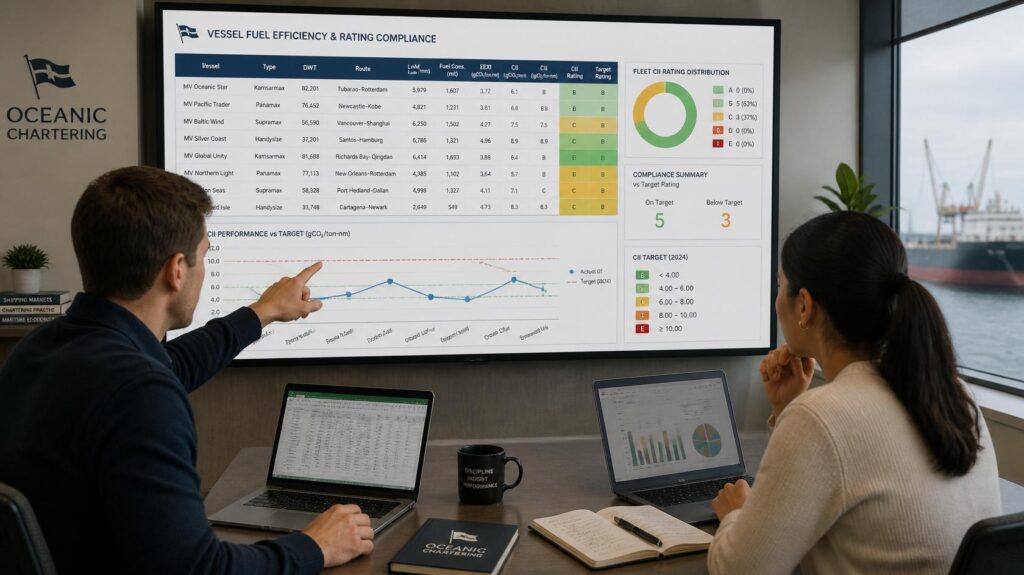
Essentially, the annual assessment of operational efficiency grades has linked physical hull performance to the inherent commercial worth of global maritime assets. In the competitive time-charter market, tonnage that actively maintains a clean hull profile via “Frictional Drag Mitigation” enjoys a distinct advantage, allowing it to secure premium employment opportunities. Conversely, vessels suffering from accelerated hull fouling are immediately commercialised out as top-tier charterers actively filter out inefficient vessels to maximise their own scope 3 corporate supply chain footprints.
Commanding Favorable Premium Time Charter Rates
Global commodity traders pay a significant financial premium for vessels which can demonstrate their high hydrodynamic efficiency through certified telemetry data streams. By showing the real-world benefits of proactive “Frictional Drag Mitigation,” owners can negotiate longer and more lucrative charter contracts with built-in speed flexibility clauses. This commercial differentiator makes green technology a driver of business profitability and asset value retention, rather than an expensive government obligation.
Avoiding Asset Depreciation and Commercial Isolation
Poor hull condition of merchant vessels results in low performance categories and, consequently, serious financial problems including limited access to major international trading hubs. Not investing into current “Frictional Drag Mitigation” results in quick asset depreciation, as banks are regularly refusing green financing choices to underperforming boats. The hard commercial reality provides unprepared owners with little alternative except to either carry out costly emergency retrofits or face early vessel destruction.
Proactive Hull Grooming and Telemetry-Driven Scheduling
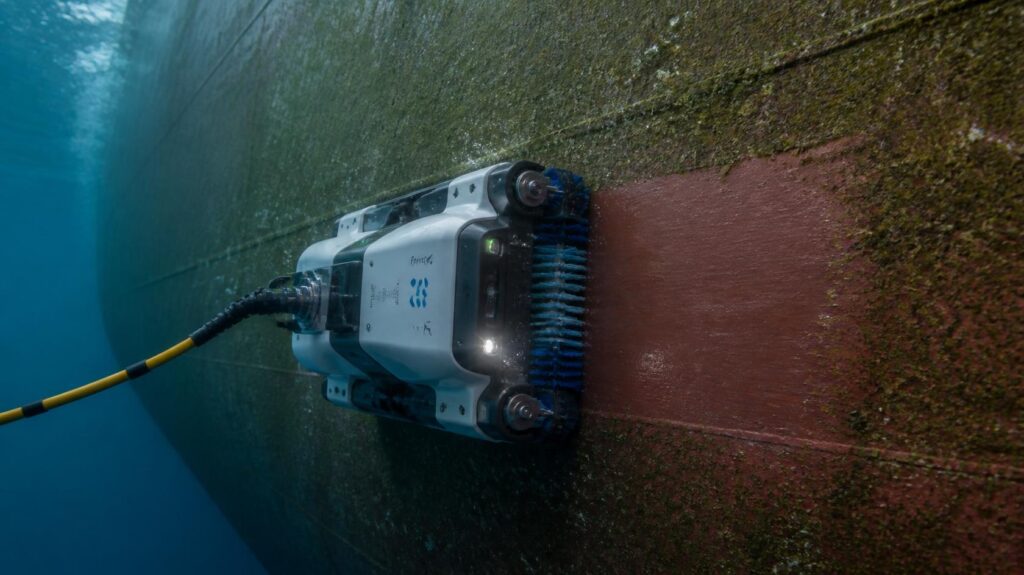
To achieve maximum performance of hulls, fleet operations must evolve from traditional calendar-based maintenance to condition-based underwater interventions. Technical managers are required to use high-frequency telemetry data on torque and shaft power to determine real-world reductions in hull efficiency in real time. Proactive hull grooming technologies allow shipboard staff to maintain great hydrodynamic efficiency without destroying costly coatings by gently cleaning the hull before hard barnacles emerge. This data driven solution delivers year-round, highly targeted “Frictional Drag Mitigation.”
Data-Driven Scheduling of Hull Cleanings
Technical departments can watch shaft power in real time and can see exactly when micro-fouling begins to harm the engine. Instead of guessing when maintenance is needed, managers rely on validated telemetry signals to schedule short undersea cleanings during routine cargo operations, providing timely “Frictional Drag Mitigation.” This technical accuracy avoids fuel increase surprises and maintains the vessel’s yearly operational index comfortably within the compliant rating bands.
Preserving Delicate High-Performance Hull Coatings
The use of specialised cleaning instruments with mild, non-abrasive specialised brushes avoids the micro-scratching that commonly occurs due to forceful, old school mechanical cleaning techniques. This active grooming approach provides consistent “Frictional Drag Mitigation” while protecting the sensitive surface chemistry of premium fluoropolymer coatings over time. By preserving the coating’s integrity, engineers can extend the service life of the hull system and maximise the vessel’s long-term environmental performance.
Future-Proofing Fleet Operations Against 2030 Targets
The regulatory regimes covering international shipping emissions are specifically designed to become more stringent year-on-year. Ship management businesses need to understand that the technical configurations that just passed the rules yesterday, will not pass the regulations tomorrow as reduction targets become more stringent on the way to the 2030 targets.” We must constantly commit to physical modifications to stay ahead of this increasing curve. The key for all ship types is continuous “Frictional Drag Mitigation.” The only way to obtain permanent, long-term regulatory compliance is with a proactive technical investment.
The Challenge of Tightening Reduction Targets
“Continued and automatic tightening of global carbon reduction factors allows no room for technical or operational stagnation within competitive ship management companies.” As the ceilings for environmental ratings climb, traditional tonnage without optimisation is increasingly vulnerable to abrupt market obsolescence. Fleet managers will need to assess each ship against these future goals and ensure that early investments in “Frictional Drag Mitigation” give long-term compliance assurance.
Integrating Wind-Assisted Propulsion Technologies
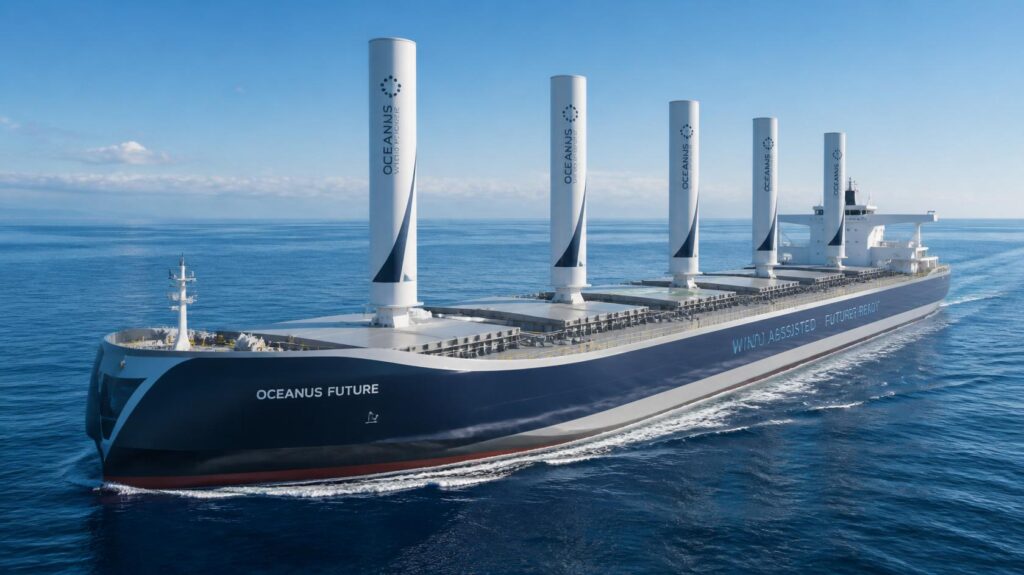
Finally, long-term compliance will also require the combination of superior hull coatings with innovative auxiliary systems, such as wind-assisted rotor sails or stiff wing assembly. As highlighted by the operational failures analyzed in Corrective Action Plan Triggers: Practical Lessons Learned from the First Wave of ‘E’ Ratings, failing to mitigate hull drag leads directly to regulatory intervention. Integrating these wind-harvesting devices provides robust “Frictional Drag Mitigation” techniques that increase overall energy savings, allowing ships to keep competitive service speeds. This multi-layered technical solution may be easily integrated into existing modification programs, enabling owners to reliably protect their assets through the next decade of maritime decarbonisation
Retrofitting Advanced Hull Air Lubrication Systems
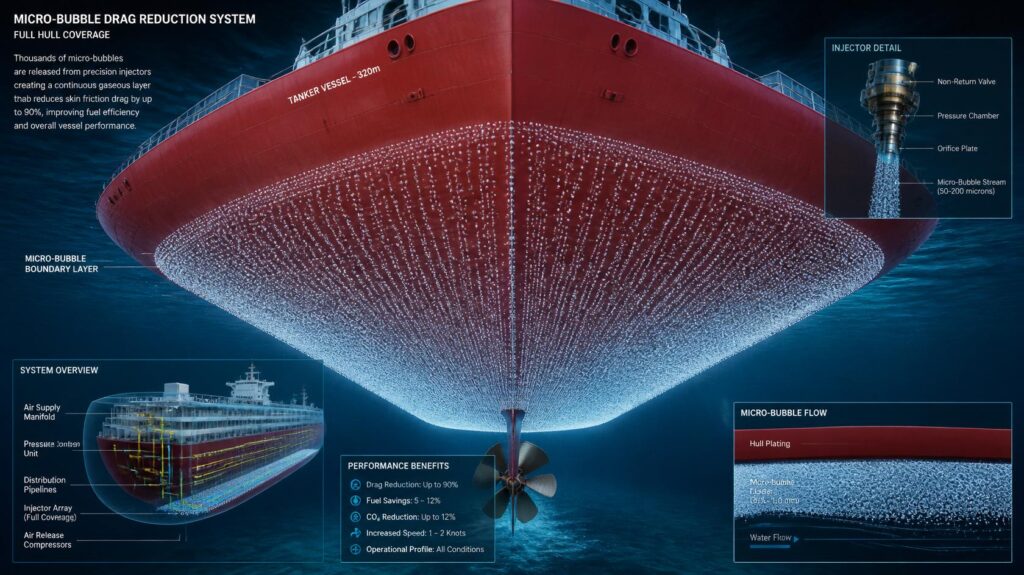
The incorporation of a micro-bubble hull encapsulation approach is one of the most inventive and statistically validated steps an operator can take for sustainable fleet optimisation. Installation of a dedicated hull air lubrication system as a retrofit involves the fitting of specialised, high efficiency automated air compressors or blower units in the lower auxiliary machinery compartments of the vessel. These specialised systems provide a continuous, uniform blanket of micro-bubbles that is directed beneath the flat bottom of the ship through precisely built air injection cavities. This state-of-the-art tech layer permanently separates the steel bottom plate surface from the dense, resistive seawater flow generating a highly efficient boundary layer condition, maximising “Frictional Drag Mitigation”.
The Physics of Micro-Bubble Boundary Layer Encapsulation
The basic fluid dynamic principle of air lubrication technology is based on the modification of the effective fluid density and the reduction of turbulent Reynolds stress directly on the wetted surface area of the vessel. The technology reduces the overall skin friction component, which usually makes up the majority of total ship resistance, by a large amount by substituting the high-friction water-to-steel interface with a low-shear air-and-water mixture. This important physical modification yields consistent, dynamic “Frictional Drag Mitigation” over different draft configurations, decreasing the overall brake power needed from the main engine to maintain service speeds, and directly enhancing yearly operating efficiency ratings.
Offsetting Auxiliary Power Consumption for Maximum Net Benefit
High pressure air compressors do use extra electricity from the auxiliary diesel generators, but the net reduction in fuel is far greater than these secondary engine room loads. Advanced performance control systems should allow technical superintendents to dynamically change air blower injection flow rates according to the vessel’s real-time speed, displacement and varying sea state conditions. This automated balancing method maximises net energy recovery, and makes the active machinery upgrade a dependable type of continual “Frictional Drag Mitigation” to prevent the slip of vulnerable boats toward regulatory penalties.
Conclusion
To survive the severe operating conditions of the present-day marine commercial world, a complete departure from obsolete and passive hull repair procedures is a must. The move to stringent environmental ratings has proven that overlooking hydrodynamic drag is a guaranteed path to regulatory failure and commercial exile for global fleets. Shipowners investing in state-of-the-art fluoropolymer coatings and automated ultrasonic retrofits are taking a proactive step to protect their assets from performance penalties and secure their role in a sustainable future. The best way to optimise commercial operations and guarantee long-term fleet profitably is through a focus on data-driven “Frictional Drag Mitigation.”
People Also Ask
Why is simple slow steaming no longer enough to satisfy modern carbon intensity standards?
With slow steaming , the returns shrink as the targets shrink . The loss of engine power is quickly overtaken by the increase in hull resistance if it is not mitigated . Active ” Frictional Drag Mitigation ” is needed to stay in compliance .
How do modern high-slip fluoropolymer coatings deliver long-term hydrodynamics value?
Fluoropolymer coatings form a permanent low-energy surface that prevents marine biofouling from attaching strongly, giving self-cleaning “Frictional Drag Mitigation” while the vessel passes through the ocean.
Can ultrasonic transducer arrays completely eliminate biofouling inside sea chests?
Yes, ultrasonic arrays constantly emit micro-vibrations that inhibit larval settling, providing an automatic, chemical-free “Frictional Drag Mitigation” that prevents the compromise of internal seawater cooling systems.
What data points should technical managers track to optimize hull grooming schedules?
Always monitor high fidelity shaft torque, fuel mass flow rates and speed-power curves to catch early increases in drag and plan for “Frictional Drag Mitigation”.