Introduction
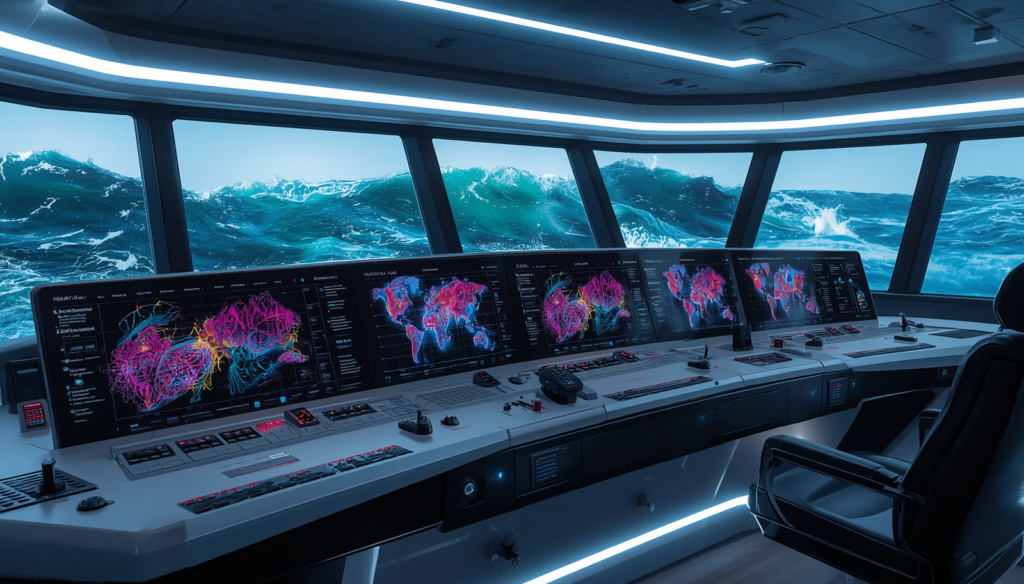
Commercial shipping is approaching a new era of data-driven reliability as traditional schedule-based maintenance gives way to “Smart Maritime Ecosystems”. For decades, deep-sea warships operated on predetermined intervals of operating hours, manual logbooks, and the gut intuition of seasoned chief engineers to keep gigantic propulsion engines going. But now, the intense push to reduce fuel costs, avert catastrophic failures and satisfy tough environmental standards means a whole digital transformation is necessary.
Today’s fleet management leverages machine learning to convert a constant stream of sensor data into highly accurate operational insights by transforming solitary cargo vessels into highly linked edge-computing hubs. Implementing Smart Engine Room Technology: Boost Efficiency with Marine Automation bridges the gap between raw hardware metrics and high-level predictive intelligence. “Smart maritime ecosystems” are revolutionising how global shipping companies govern and safeguard their massive physical assets – from foreseeing individual bearing wear days before a failure to deploying cloud-based digital twins to optimise thermal balances
Table of Contents
High-Frequency Torsional Vibration Analysis and Crankshaft Deflection Models
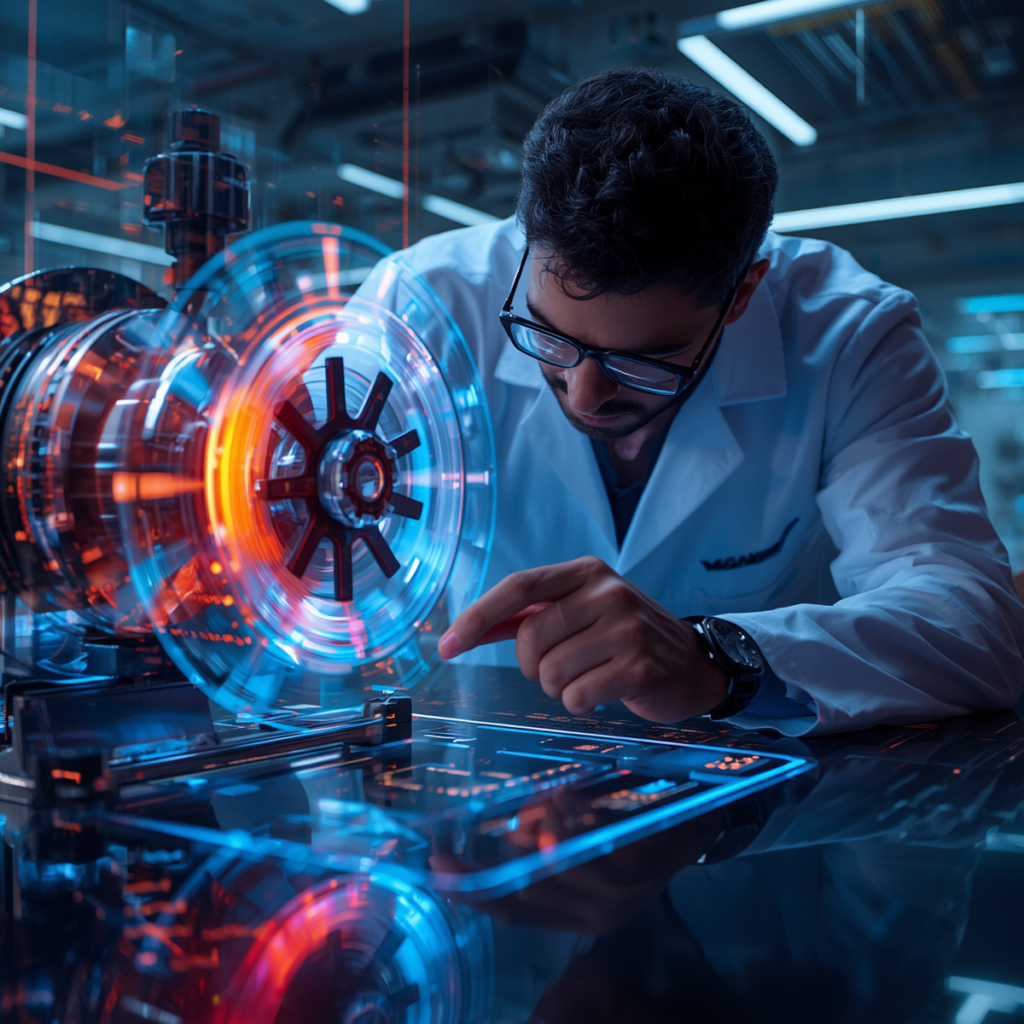
The development of successful “Smart Maritime Ecosystems” depends on microsecond-level sensor arrays, that is, very specific, high-frequency physical measurements to identify microscopic structural changes within a ship’s main engine. Picture a huge low speed naval engine . The crankshaft is under enormous rotating stress. Small differences in torque can lead to catastrophic metal fatigue. To prevent this the flywheel has non-contact magnetic pickup sensors positioned along the flywheel and monitored by automated edge-computing modules.
The sensors measure instantaneous angular velocity down to fractions of a degree and feed the data in real time into a continuous torsional vibration model. Operating within integrated Smart Maritime Ecosystems ensures this high-frequency stream is immediately cross-referenced with overall machinery telemetry. This method, based on neural networks, removes the typical hull vibration noise, so it can rapidly recognise small, atypical speed variations that signal unequal cylinder combustion or structural misalignment, long before traditional manual gauges can detect any change
Multi-Sensor Anomaly Detection for Crankcase Structural Health
When keeping the internal mechanics of a ship’s primary engine going, it’s important to look at numerous data points simultaneously to gain a true picture of the health of the components. High frequency velocity streams are fed into predictive algorithms along with data from temperature sensors within the main bearings and structural strain gauges located across the crankcase. Processing these data layers within Smart Maritime Ecosystems allows the software to contextually analyze real-time mechanical interactions under varying open-sea loads. The multi-sensor model pinpoints the exact physical sources of structural stress, enabling crews to detect problems before they result in costly damage.
Remaining Useful Life (RUL) Modeling for Main Journal Bearings
The capacity to predict the failure of major components is an essential feature for shipowners who schedule drydock in a “Smart Maritime Ecosystems” regime. Predictive AI tracking models analyse past temperature trends, contain metal wear particles in the oil and vibration signals to provide a steady Remaining Useful Life (RUL) likelihood score. This enables fleet managers to shift maintenance from a string of emergency repairs to carefully planned, condition-based overhauls.
Cylinder Pressure Profiling and Real-Time Thermodynamic Anomaly Screening
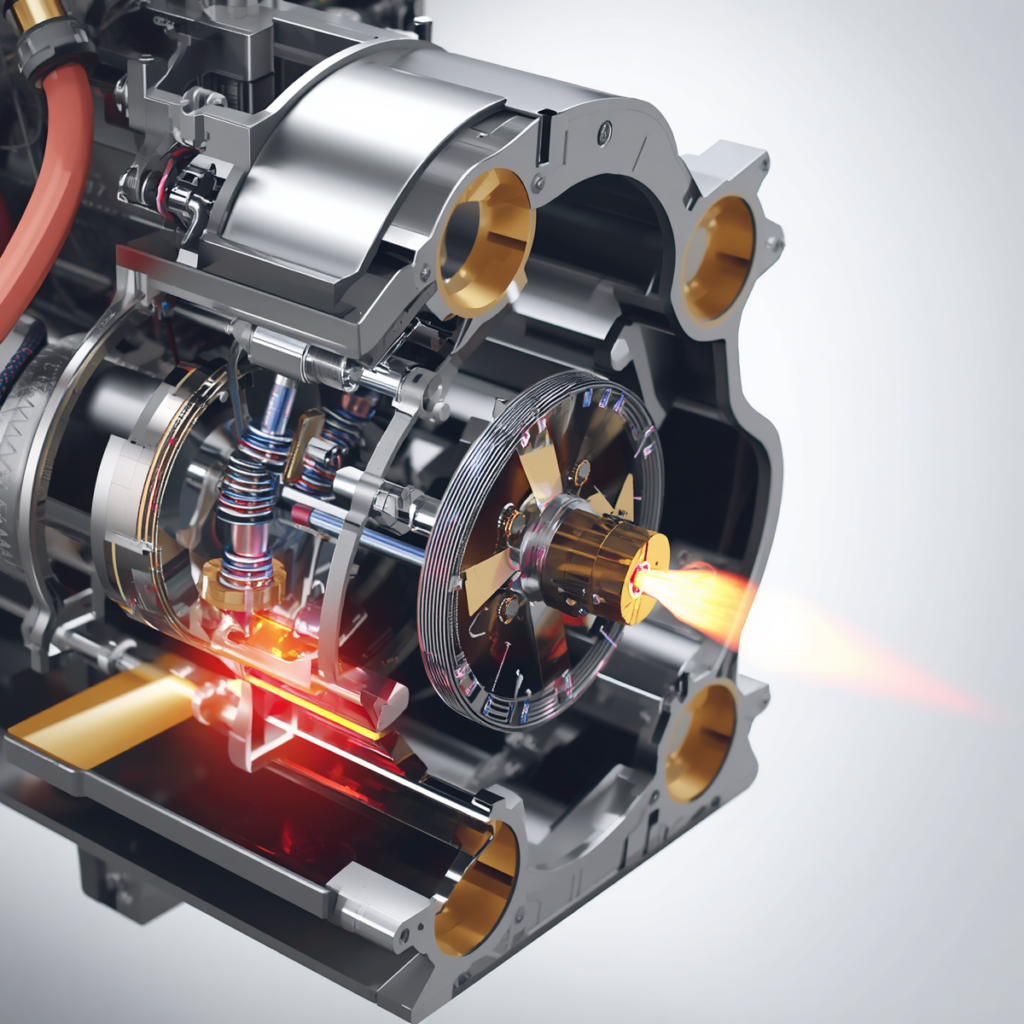
Constant, automated thermodynamic monitoring is necessary to optimise the combustion efficiency of large, multi-cylinder engines, a fundamental characteristic of modern “Smart Maritime Ecosystems”. In former times, engine tuning was based on periodical mechanical indications to obtain the cylinder pressure curves. There were extended blind periods between checks. The modern smart ships have a system of continuous pressure monitoring of the cylinders (CCPM) based on piezocrystalline sensors fastened directly to the indicator valve of each cylinder.
The sensors measure changes in gas pressure relative to the exact position of the piston at each step in the combustion cycle. Managing this constant thermodynamic tracking within Smart Maritime Ecosystems allows localized sensor readings to instantly feed into broader fleet-wide efficiency analytics. The onboard AI constantly watches these pressure curves for subtle symptoms of heat or mechanical breakdowns – such as late fuel ignition or exhaust-valve leaks – to maximise power for each engine stroke.
Closed-Loop Automated Fuel Injection Valve Optimization
Smart systems may utilise real-time engine data to dynamically tune engine parameters and optimise performance, thus fully leveraging “Smart Maritime Ecosystems”. The thermodynamic screening software senses a decrease in peak combustion pressure in a cylinder and transmits immediate commands to electronic fuel injection controllers. The mechanism alters the timing and duration of the opening of the fuel valve in microseconds . The result is perfect balance between all cylinders without the need for manual changes by the crew .
Exhaust Valve Stroke Profiling via Hydro-Mechanical Hall Sensors
The physical tracking has to be accurate to prevent heat blow-by and uneven wear of heavy engine valves. High accuracy Hall-effect sensors check the precise movement and seating of the hydraulically actuated exhaust valves by plotting their motion against the internal cylinder pressure curve. Managing this automated mapping within Smart Maritime Ecosystems ensures that any thermodynamic shift is instantly flagged across the entire fleet network. This monitoring provides early warning indications of carbon accumulation or hydraulic oil degradation, so the valves open and close at perfect timing
Edge-Computing Scavenge Air Temperature and Pressure Optimization
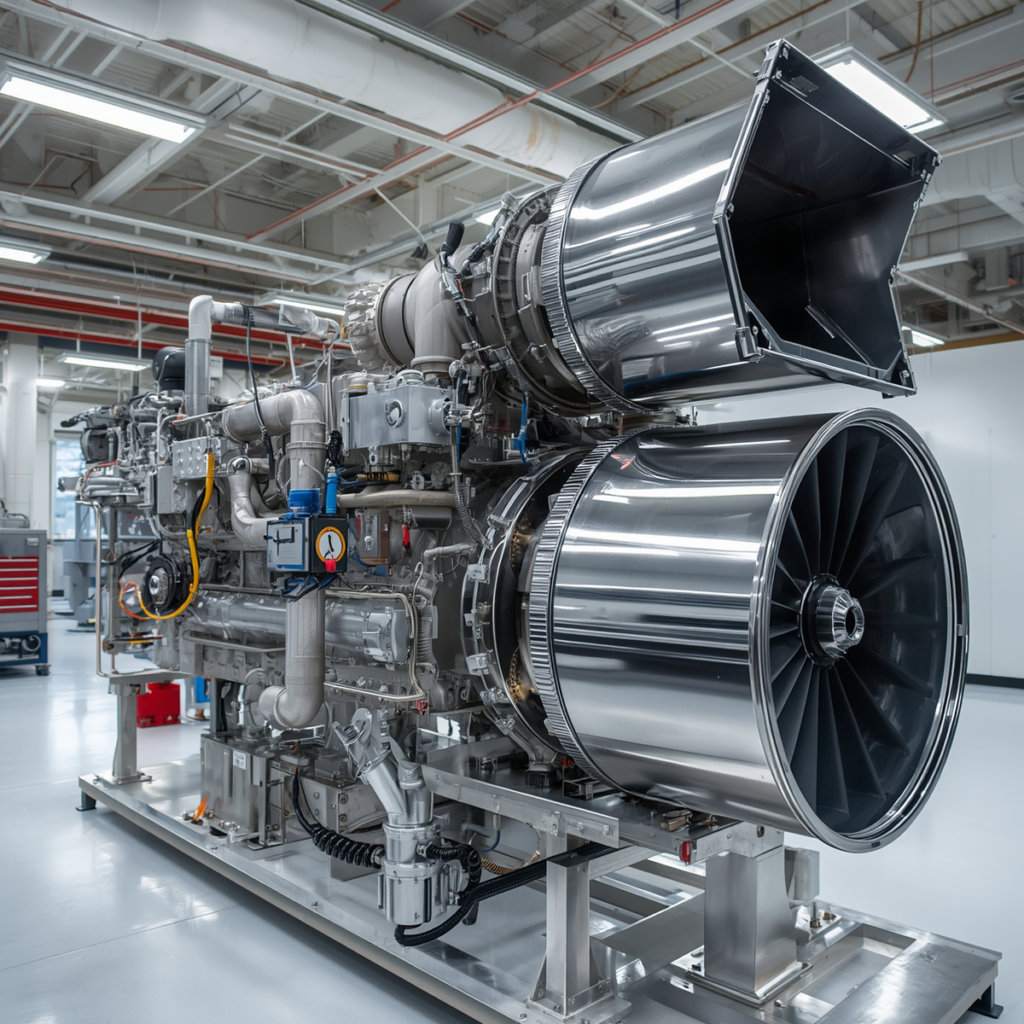
Intelligent edge-computing is a major pillar of “Smart Maritime Ecosystems”. Controlling air flowing into the engine is vital to ensure combustion stability in changing weather zones. Large maritime two-stroke engines depend substantially on consistent scavenging air density inside the engine trunk. Only then heavy fuels and different molecular energy blends can burn completely. Edge-computing devices located directly in the engine room continuously monitor sensors recording air temperature, humidity and pressure before and after the turbocharger and charge air coolers.
By analysing these environmental factors in relation to the live engine load demands, the localised machine learning models calculate the real dew point within the air trunk. Integrating these localized thermodynamic calculations within Smart Maritime Ecosystems ensures that automated condensation control works in perfect harmony with broader fleet efficiency goals. The system can then dynamically modulate the cooling water flow to prevent water droplets from forming and stripping the defensive lubrication films off the cylinder liners.
Real-Time Turbocharger Efficiency Tracking and Anomaly Masking
A key aspect of operating a smart engine room is safeguarding turbocharger arrangements against unexpected loss of performance. The edge-computing unit monitors compressor wheel speeds, pressure ratios and drop temperatures of exhaust gas over the turbine blades. Maintaining this continuous diagnostic layer within Smart Maritime Ecosystems provides a reliable shield against hidden mechanical degradation during long ocean transits. The AI then compares this data to factory baseline performance curves, filtering out natural environmental variations to isolate actual performance decreases and alerting the crew to compressor fouling or blade wear before it impacts engine efficiency.
Automated Condensate Drain Control and Liner Washout Prevention
To maintain heavy structural components of the engine, it is important to stop moisture damage inside the cylinders. If the local humidity calculations indicate a high risk of moisture condensing within the air intake system, the smart controller will activate automated pulsing drain valves. Coordinating these micro-adjustments within Smart Maritime Ecosystems ensures that environmental protection loops adapt instantly to changing weather fronts without manual human oversight. This stops the accumulation of water before it can reach the cylinders, so protecting the expensive film of lubrication oil and preventing serious engine damage.
Machine-Learning-Driven Acoustic Emissions Monitoring for Cylinder Liner Scoring
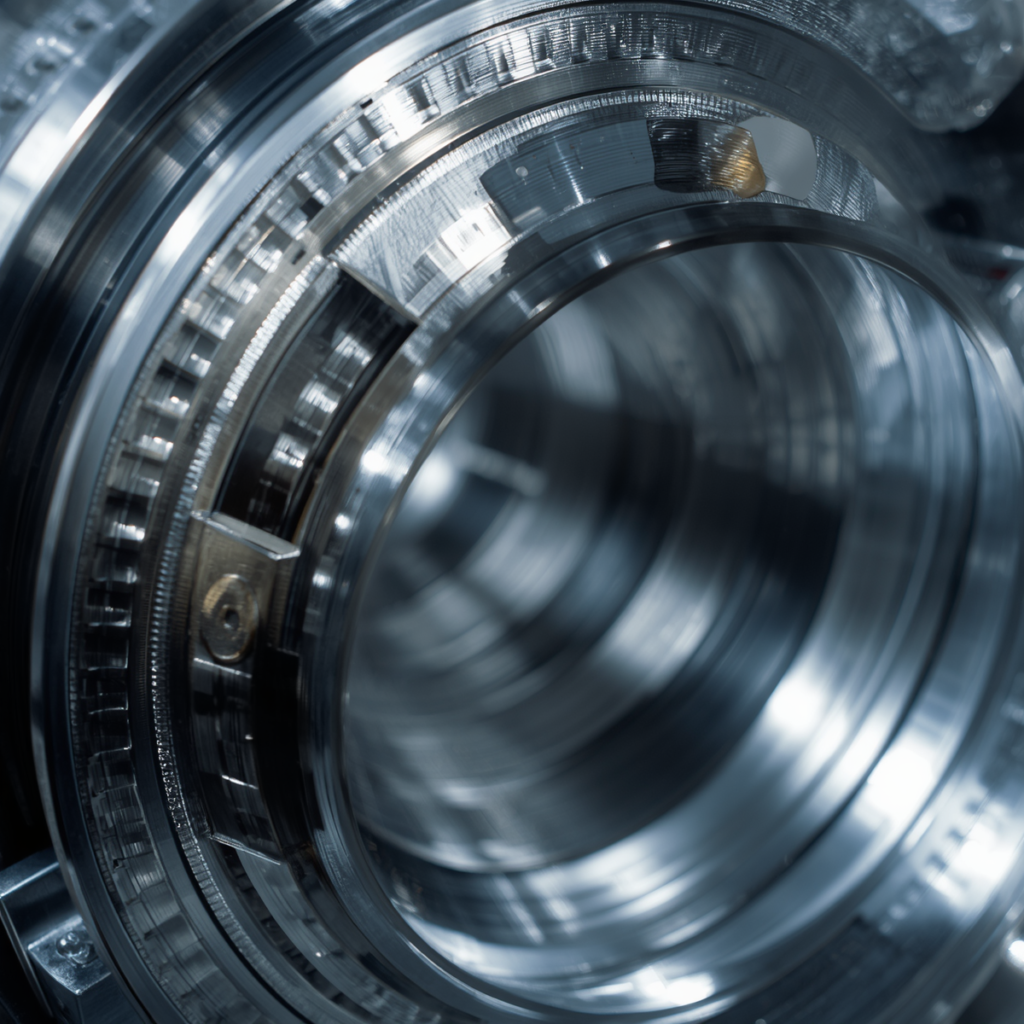
Shipboard computers can detect internal mechanical deterioration that traditional sensors cannot identify using acoustic monitoring tools — broadening the potential of “Smart Maritime Ecosystems”. When a piston ring is moving up and down in a large cylinder liner, the breakdown of the lubricating oil layer generates micro-frictions that emit high frequency structure borne sound waves. Specialised acoustic emission (AE) sensors mounted to the outside of the cylinder liners detect high frequency sound signatures (100kHz to 1MHz).
Machine learning algorithms process this raw audio data, filtering out the strong background pounding of the engine to focus on the specific sound frequencies produced by metal-on-metal scraping. Embedding this high-frequency diagnostic layer within Smart Maritime Ecosystems ensures that localized acoustic anomalies are immediately cross-referenced with automated lubrication adjustment loops. This gives an early warning system that identifies cylinder liner scoring hours before it produces a rapid, dangerous increase in liner temperature.
Automated Cylinder Lubricating Oil Feed Rate Modulation
Smart data can help ships balance engine protection with stringent cost management by controlling oil usage. When acoustic sensors pick up an increase in micro-friction sounds, the central AI system instructs the automated cylinder lubrication pumps to temporarily raise the oil supply rate to that particular cylinder. Integrating this real-time optimization loop within Smart Maritime Ecosystems ensures that cylinder oil consumption remains perfectly matched to actual mechanical wear rather than arbitrary fixed schedules. This extra oil immediately repairs the protective fluid film, cooling the metal and avoiding the micro-scratches from turning into a costly engine failure.
Waveform Feature Extraction for Intelligent Piston Ring Pack Diagnostic Realities
Engineers can tell what’s going on within the engine without taking it apart by looking at the shape of acoustic waves. The predictive maintenance program analyses particular components of the acoustic wave, such as peak amplitude and energy distribution, to identify broken, jammed or worn piston rings. Running these diagnostic algorithms within Smart Maritime Ecosystems ensures these high-frequency acoustic patterns are instantly cross-referenced with historical machinery benchmarks. This allows crews a good view of the health of the ring pack while the engine is going flat out at sea.
Cloud-Based Digital Twin Systems for Global Fleet Benchmarking

The last layer of a modern smart ship architecture connects live onboard data to cloud computing platforms, interconnecting individual vessels into a worldwide network. In the engine room, edge-computing processes rapid, real-time safety and operational modifications, while a compressed stream of asset data is transmitted by satellite to a cloud-based digital twin platform. Anchoring this data pipeline within Smart Maritime Ecosystems enables shore-side fleet technical teams to conduct continuous, automated performance audits and benchmark machinery health against real-world global baselines
This cloud technology operates very accurate virtual models of the whole mechanical layout of the ship, cross-referencing live data with previous performance logs and data from sister ships throughout the globe. Utilizing these interconnected virtual models within Smart Maritime Ecosystems empowers fleet managers to transform raw telemetry into predictive global logistics strategies. This comparison over the entire fleet allows shipping lines to notice minor performance dips across many boats, co-ordinate maintenance work across worldwide ports and optimise fuel consumption strategies throughout the entire fleet.
Real-Time Thermal Balance Comparison Across Sister Ship Fleets
Data tracking must be centralised and cloud-based to identify small mechanical issues across an entire fleet. The digital twin program compares heat models from similar engines on numerous ships, looking at exhaust temperatures, cooling system loads and fuel energy ratios. Establishing these advanced cloud networks within Smart Maritime Ecosystems allows fleet managers to instantly spot hidden operational patterns across dozens of active vessels simultaneously. The cloud system informs shore side engineers to check it out if a vessel has an anomalous heat signature compared to her sister ships before it results in a breakdown.
Automated Shift Logbook Summaries and Smart Handover Generation
The elimination of untidy paper records allows ship crews to retain clean and uninterrupted data recordings during watch changes. The local AI system watches all log entries and sensor warnings, automatically building clear, prioritised watch summaries. Managing this workflow transition within Smart Maritime Ecosystems ensures that critical operational data is preserved perfectly across changing shifts without losing vital context. This means incoming engineers know exactly what systems require work, with no communication gaps, and have clear, searchable logs for future maintenance audits.
Automated Lube Oil Tribology and Real-Time Spectrometric Insights

Lubricant degradation analysis in running machinery provides an immediate insight into the health of assets. This shows that comprehensive “Smart Maritime Ecosystems” must monitor fluid chemical changes as well as physical vibrations. The systemic health of a slow speed two stroke engine is very much related to the chemistry of the system oil and cylinder lubricants.
Instead of waiting weeks to get laboratory sample reports, today’s edge-integrated vessels are routing oil lines through automated onboard tribology blocks. Mini-labs use infrared spectroscopy in real-time and magnetic particle counters to verify TBN (total base number), moisture contamination and iron concentrations in the micron-size range. Funneling these critical data points into Smart Maritime Ecosystems ensures that fluid degradation metrics are instantly cross-referenced with real-time bearing temperatures and engine speeds. The device rapidly warns crews of chemical breakdown, allowing them to remedy oil problems before tainted lubricants might ruin pricey engine bearings
Total Base Number (TBN) Degradation Tracking and Acid Neutralization
The correct oil chemistry is a vital operational need for vessels operating in “Smart Maritime Ecosystems”. The system’s onboard spectrometer checks the oil’s ability to neutralise dangerous sulphuric acids formed during fuel combustion. If the computed TBN falls below safe operational baselines, the software issues an alarm to modify cylinder oil injection rates or top up the system oil, to prevent corrosive acid wear on internal engine parts.
Ferrous Wear Debris Classification via Micro-Fluidic Imaging Loops
Very fine particle analysis is required to catch internal component wear before it leads to a breakdown. Automated micro-fluidic imaging sensors acquire high-resolution images of metal particles flowing in the stream of oil. Processing this visual telemetry within Smart Maritime Ecosystems allows the engine’s fluid dynamics to be continuously evaluated against historical baseline trends. Machine learning algorithms analyse particle shape, size and count, differentiating between typical mechanical wear and severe gear or bearing scratches, to deliver unambiguous maintenance advice.
Scavenge Port Laser Inspection Realities and Piston Ring Pack Assessment
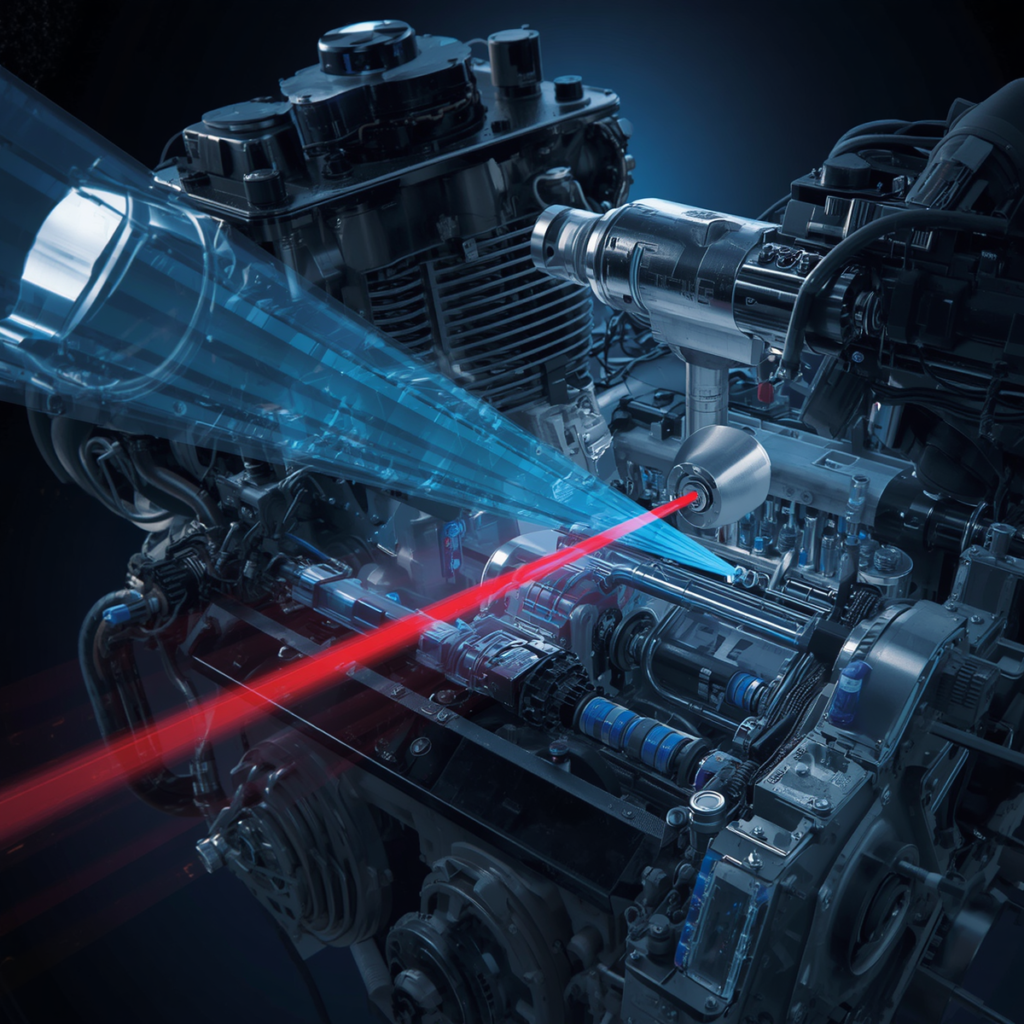
This is a key aspect of the future “Smart Maritime Ecosystems”, as the ability to automate physical inspections of the engine’s air intake ports removes significant blind spots. When the engine was taken on dock for repairs in the past the engineers had to open up hot scavenge compartment doors and peep inside to see how the moving piston rings were doing. Intelligent ships don’t do this manually.
They have high temperature laser based optical profiling arrays installed in the scavenging air port frames. Every time the giant piston passes the port, the automated laser system checks the passing rings of the piston as they pass the port at full operational speed. Synthesizing these live dimensional scans within Smart Maritime Ecosystems enables the vessel’s diagnostics network to actively track physical wear patterns alongside daily fuel efficiency metrics. The technology builds up a very detailed 3D profile of the ring pack, measuring ring tension, spotting stuck or broken rings and evaluating cleanliness of the piston crown, all without stopping the engine.
Real-Time Ring Tension Mapping and Breakage Isolation Realities
Assessing the physical condition of moving piston rings enables engineers to detect component problems before they damage the engine liner, hence improving “Smart Maritime Ecosystems” capabilities. The program for laser profiling computes the outward spring tension of each ring from its contact profile with the cylinder walls. Should a ring crack or lose its tension, the mechanism isolates the issue and warns the crew, preventing hot gas blow-by into the scavenging trunk.
Hydrocarbon Build-Up Detection on Piston Land Zones
To keep combustion clean and efficient, it is important to look for carbon accumulation on the top portions of the piston. Automated optical sensors check the piston lands for high soot or unburned fuel deposits. Incorporating these optical tracking capabilities within Smart Maritime Ecosystems allows the system to instantly correlate surface carbon data with thermodynamic engine loads. Any carbon build-up beyond safe levels is flagged by the system, so that the crew can change cylinder lubricant or monitor the fuel injector spray patterns to prevent liner scoring.
Intelligent Fuel Valve Performance Projections and Droplet Dynamics

Smart fuel management is a major pillar of “Smart Maritime Ecosystems” and optimising fuel sprays inside the combustion chamber is essential to maximise fuel efficiency and minimise engine emissions. Today’s electronic fuel valves must create a fine spray of fuel that burns cleanly and efficiently under immense pressure.
Automated fuel performance algorithms monitor pressure dips across the fuel rail and fuel valve spindle travel speeds during each injection cycle. It compares these little fluid dynamics against the heat profile of the cylinder. It can detect early indicators of nozzle tip degradation, fuel leakage or needle sticking. This helps operators correct malfunctioning injectors before uneven spray patterns create localised hot areas or break costly cylinder covers.
Nozzle Coking Prediction via High-Resolution Fuel Pressure Wave Analysis
To detect fuel system faults early, a detailed examination of fuel rail pressure variations is required. The diagnostic program analyses high pressure fuel waves during the injection stroke. Evaluating these subtle fluid pressure shifts within Smart Maritime Ecosystems ensures that any minor fuel system deviation is immediately cross-referenced with cylinder temperature data. Should carbon deposits start to clog the nozzle holes (nozzle coking), the pressure wave will indicate an abnormal restriction at its tail-end, and the predictive AI will flag the injector for cleaning before it affects the engine’s fuel efficiency
Electronic Spindle Lift Alignment and Injection Delay Tracking
Perfect fuel valve timing in all engine cylinders is an imperative need to run a balanced functioning engine room. Accurate magnetic sensors track the real physical movement of the fuel valve spindle and can detect opening delays of microseconds. Processing this high-speed data stream within Smart Maritime Ecosystems ensures that injection timings are dynamically balanced against real-time hull and propeller feedback. This information is fed into the central engine control software which then modulates electrical control currents to ensure that all valves open with precise accuracy, to help maintain continuous smooth engine torque.
Conclusion

The fast expansion of modern commercial shipping highlights the fact that the long-term success of global fleets depends on the implementation of “Smart Maritime Ecosystems”. Integrating Alternative Energy Propulsion: Engineering Clean Molecular Energy Systems within this digital matrix ensures that complex new fuel profiles—such as hydrogen, ammonia, or methanol—are safely monitored by predictive AI in real time. It’s not only about saving labour by shifting away from reactive, old-school maintenance practices; it’s a critical operational upgrade that preserves enormous investments in machinery.
Whether a ship monitors crankshaft twists using high-frequency sensors, optimises cylinder combustion with direct pressure profiling, or detects liner scratches with acoustic sensors before they cause damage, success depends on intelligent, automated systems. Fast on-ship edge computing and deep cloud-based digital twins enable current maritime engineering to finally run large engines at top efficiency with low danger. These technology advancements keep the giant iron hearts that drive global trade incredibly secure, efficient and reliable on every ocean route.
People Also Ask
How do scavenge port lasers check piston rings?
They scan pistons at full running speed as they pass, mapping ring tension and finding fractures, preventing engine blow-by in “Smart Maritime Ecosystems”.
How do acoustic emission sensors detect cylinder liner scoring?
They hear high frequency sound waves from metal on metal friction from failures in lubrication, alerting staff before a full-blown thermal blowout happens.
Why is continuous cylinder pressure monitoring important?
It measures combustion forces in the engine in real-time and the AI can alter fuel valve timing by microseconds to optimise efficiency and protect parts.
How does predictive AI assist in main engine maintenance?
It processes live data from vibration, pressure and acoustic sensors to detect minor equipment issues early, helping fleet operators convert to smart, condition-based maintenance.