Introduction
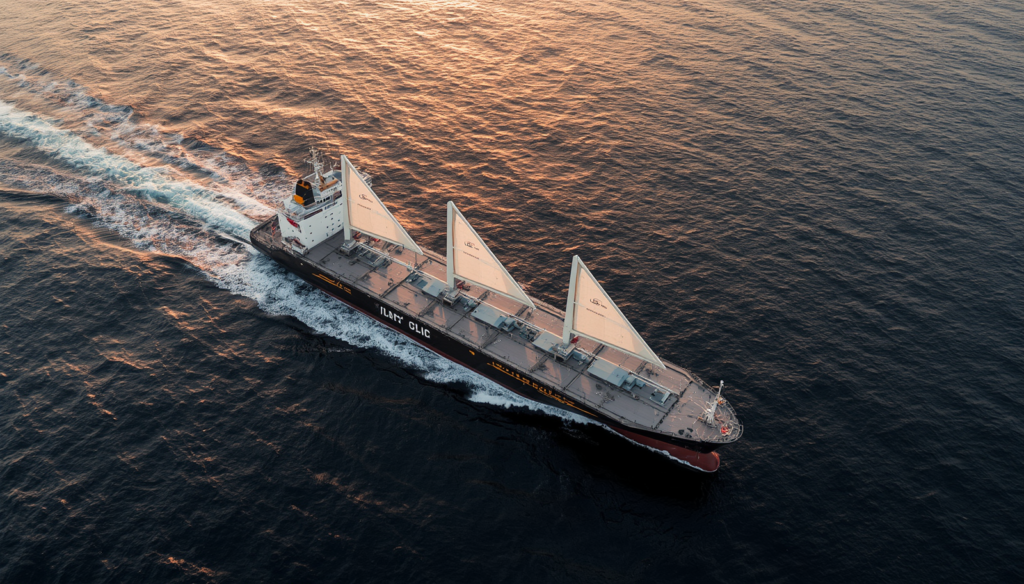
The worldwide maritime industry is on the cusp of a structural transformation as dependence on fossilised fuels is being replaced by highly advanced “Alternative Energy Propulsion” paradigms. For more than a century, heavy fuel oil powered deep-sea commerce, hiding large carbon, nitrogen and sulphur footprints behind brute mechanical strength. The international mission to achieve absolute decarbonisation by mid-century has converted clean molecular engineering into a basic survival strategy for global fleets.
Modern naval architecture is expanding beyond the usual efficiency improvements to renewable energy carriers such as green hydrogen, anhydrous ammonia and e-methanol. These advanced fuel infrastructures necessitate a full overhaul of the onboard fuel handling, temperature control loops and prime mover technologies. As worldwide green shipping lanes develop localised fuelling hubs, the mastery of “Alternative Energy Propulsion” systems has evolved from an exploratory R&D experiment to the baseline norm for next-generation fleet deployment.
Table of Contents
Solid Oxide Fuel Cell (SOFC) Integration and Electrochemical Loops
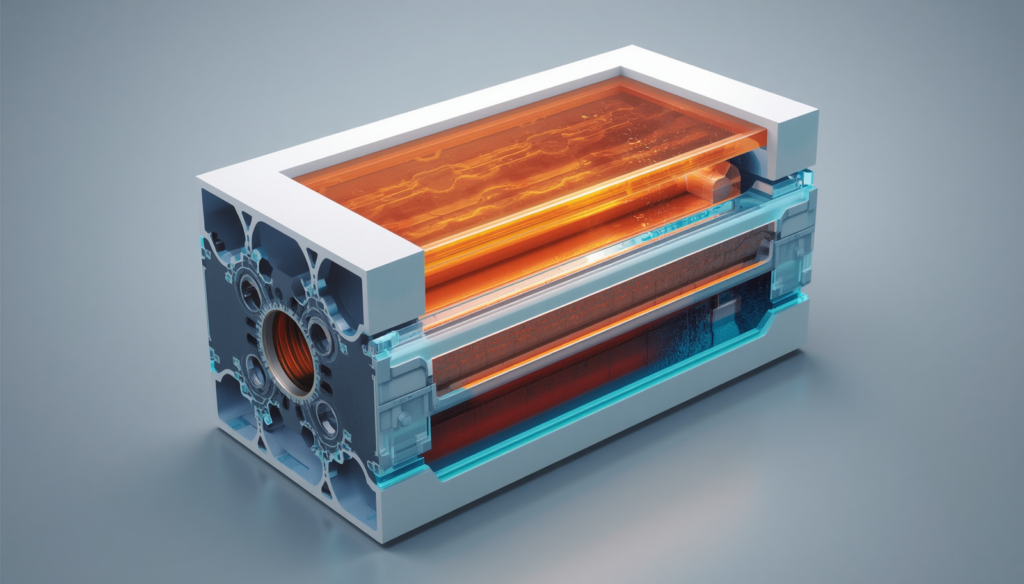
The use of highly efficient fuel cells on big commercial ships is a huge evolutionary step in deep sea electric generating. The success of “Alternative Energy Propulsion” is mostly a matter of direct chemical to electrical energy conversion. Solid Oxide Fuel Cells (SOFCs) are electrochemical devices that operate at high internal temperatures, as opposed to conventional internal combustion engines that combust fuel to produce mechanical energy.
The device constantly injects pure hydrogen or reformed e-methane through a dedicated ceramic zirconium dioxide electrolyte matrix, syphoning off high-density electrical currents with no combustion noise and very little heat loss. This endless electrochemical cycle can reach electrical efficiency more than 60%, much above those of conventional diesel generators, and offers a clean, modular basis for zero-emission naval power grids.
High-Temperature Thermal Co-Generation and Bottoming Cycles
For shipowners aiming to maximise their ‘Alternative Energy Propulsion’ investments, being able to optimise the efficiency of onboard fuel cell networks is key. The high temperature exhaust gas (600 deg C to 800 deg.C) leaving the SOFC stack is not wasted but is sent into an integrated multi-stage steam or organic Rankine bottoming cycle. This heat recovery loop extracts the thermal energy to provide secondary electrical power to drive auxiliary hotel loads, increasing the overall system efficiency to over 85%.
Zirconia Ceramic Membrane Safety and Gas Tightness Control
Total system safety in high temperature fuel atmospheres is an essential engineering requirement for ships operating under ‘Alternative Energy Propulsion’ regimes. The pressures of the gas on both sides of the dense ceramic zirconia membranes are monitored by computers automatically. Any microfracture or decline in gas tightness causes a fast nitrogen purge, sealing off the fuel modules long before volatile gases can escape into the engine room envelope.
Cryogenic Hydrogen Storage and Safe Onboard Vaporization
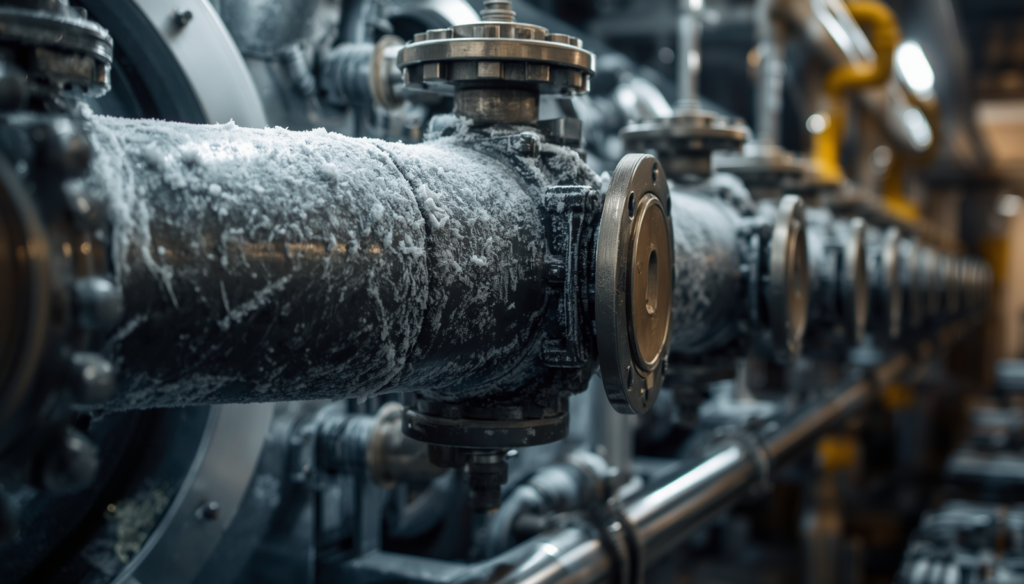
The application of pure liquid hydrogen (LH2) as a main energy carrier poses substantial structural and thermodynamic problems which require unique handling technologies for reliable “Alternative Energy Propulsion”. Liquid hydrogen has a very high energy density by mass but has to be stored in special double-walled vacuum insulated tanks kept at an ultra-cold cryogenic temperature of -253 deg.C.
The liquid fuel must flow through a multi-stage automated vaporisation skid to securely feed downstream fuel cells or dual-fuel machines. regulated heat exchangers safely re-gasify the super-cooled liquid to a stable, warm gas stream. Boil-off gas (BOG) build-up is closely regulated to avoid dangerous tank over-pressurization during long deep sea transits.
Multi-Layer Vacuum Insulation and Thermal Leakage Mitigation
A basic necessity in the design of modern “Alternative Energy Propulsion” ships is the insulation of volatile cryogenic fuel tanks from ambient heat. Storage structures employ multi-layer insulation (MLI) blankets hanging in a high vacuum area between the inner stainless-steel tanks and the outer structural steel hulls. The improved barrier reduces daily boil-off to less than 0.3% of total volume, providing fuel stability for long trips across tropical trade routes.
Closed-Loop Boil-Off Gas Re-Liquefaction and Fuel Rail Supply
It is vital to creating clean sustainable ‘Alternative Energy Propulsion’ platforms that natural tank boil-off be handled without venting fuel to the atmosphere. This delicate process aligns with the strict safety and design parameters established in the Handbook for Hydrogen‑Fuelled Vessels – 2nd Edition, which details precise risk-mitigation strategies for cryogenic gas management. Small, automated, onboard helium-cycle re-liquefaction devices continuously capture hot hydrogen vapours, compressing and cooling them back to a liquid condition. Alternatively, the gas can be routed to high pressure common-rail manifolds to satisfy immediate auxiliary engine power requirements.
Anhydrous Ammonia Cracking and Proton Exchange Membrane (PEM) Feeds
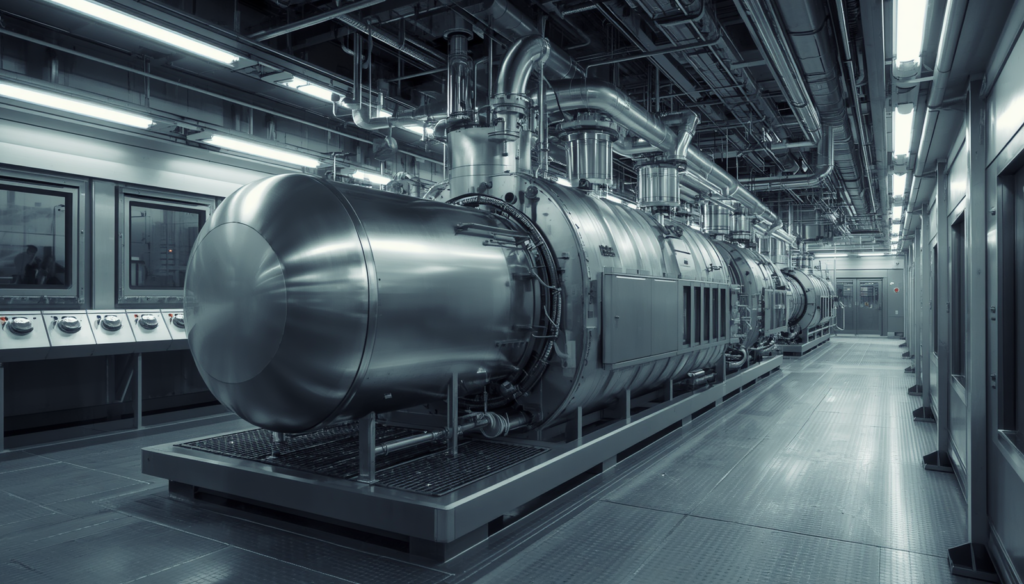
Ammonia (NH3) is a uniquely stable, readily transportable hydrogen carrier, but to make good use of it, advanced onboard chemical cracking networks are needed to achieve real “Alternative Energy Propulsion”. It can be liquefied at a very modest -33deg.C, enabling large-scale storage far less energy intensive than liquid hydrogen. The liquid fuel is routed via a high-efficiency catalytic cracker unit in modern eco-vessels, as ammonia burns slowly.
This heat process decomposes the ammonia molecules into a clean combination of nitrogen (N2) and pure hydrogen (H2). The hydrogen gas generated is then filtered and injected directly into extremely responsive Proton Exchange Membrane (PEM) fuel cells, which produce clean, quick power variations as they enter and exit complicated ports.
Trace Ammonia Adsorption and Molecular Sieve Purification
A key operational consideration for crews using ammonia-based “Alternative Energy Propulsion” machinery is to avoid contamination of delicate fuel cell components. Even tiny amounts of uncracked ammonia gas can poison downstream PEM fuel cell platinum catalyst layers within hours. To prevent this, the processed gas stream is continually pumped through multi-stage molecular sieve adsorption beds which removes any leftover ammonia molecules and ensures a 99.99% pure hydrogen delivery stream.
Nitrogen-Wash Purging and Emergency Gas Absorption Scrubbers
For vessel builders incorporating chemical fuel loops into “Alternative Energy Propulsion” suites, the need to mitigate the hazards of hazardous ammonia exposure is an urgent necessity. Sensitive electrochemical gas detectors along with high-volume water-wash scrubbers monitor the entire processing region. If a seal failure occurs, an automatic nitrogen-wash purge is performed and the escaping ammonia vapours are absorbed in water containment tanks to safeguard the crew and engine room environment.
Rigid Wind Sails and Automated Aero-Elastic Optimization
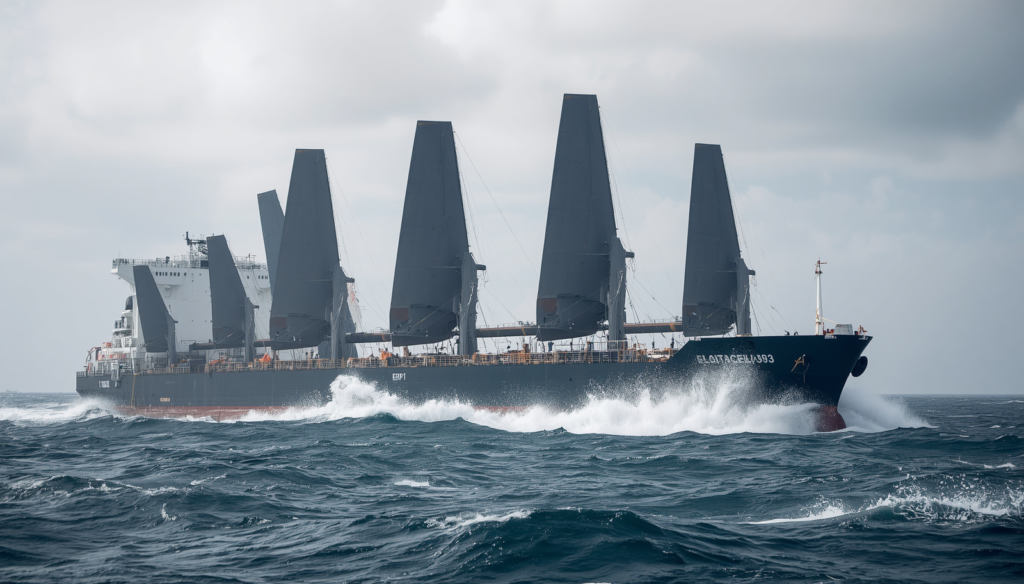
The incorporation of current wind-assisted ship propulsion (WASP) is a remarkable combination of historical aerodynamics with cutting-edge automation, illustrating that “Alternative Energy Propulsion” is so much more than alternative liquid fuels. Increasingly, modern merchant ships are being fitted with tall, vertical rigid wing sails made of light-weight carbon-fiber composites.
These automated structures act as vertical aeroplane wings, producing forward aerodynamic push from ambient sea breezes to directly decrease the strain on the ship’s principal engines. Automated boundary-layer control software makes real-time microsecond adjustments to optimise the wing’s angle of attack for maximum fuel savings under varied wind vectors, without the need for manual crew interaction.
Boundary-Layer Flap Actuation for Lift-to-Drag Maximization
Cargo carriers can exploit changing wind patterns to the greatest for efficiency, “pushing Alternative Energy” Propulsion frontiers, with very sensitive wing designs. The trailing edge flaps are dynamically adjusted internal hydraulic actuators located on the rigid sail structure, utilising real-time wind shear telemetry. This automated shape maximises aerodynamic lift and minimises parasitic drag, giving clean mechanical push even when sailing at tight angles to the true wind direction.
Automated Hydraulic Tilt and Stowing Frameworks
Structural safety in severe weather or low-clearance transit operations is a key feature of today’s wind-assisted “Alternative Energy Propulsion” systems. In the event of wind speeds exceeding safe limitations of the structure, or as an approach to low harbour crane systems, the vessel’s central computer launches an automated tilt process. Within minutes the huge composite structures are hydraulically folded flat against the deck plating, shielding the gear from tremendous stress and ensuring safe harbour manoeuvring profiles.
High-Voltage Battery Energy Storage Systems (BESS) for Peak Shaving

The last part of a contemporary zero-emission power grid is to combine heavy duty lithium-iron-phosphate (LFP) Battery Energy Storage Systems (BESS) to balance the changing loads within a “Alternative Energy Propulsion” framework. Heavy weather, or rapid dynamic positioning manoeuvres, can cause large electrical demand spikes for huge ocean travelling ships.
These spikes can be hard on delicate fuel cells. The ship’s energy management software absorbs these transient demand spikes using instantaneous battery power, via a high voltage battery bank, in a technique called “peak shaving.” This maintains the basic molecular energy systems at completely stable, highly efficient levels, avoiding thermal stress and greatly increasing the working life of the central fuel cell elements.
Thermal Runaway Isolation and Liquid Glycol Cooling Loops
Engineers working today under modern “Alternative Energy Propulsion” requirements must be able to lock down high-density energy storage arrays against safety threats. The marine battery housings are designed with unique liquid glycol cooling channels running between each LFP cell for optimal thermal balance. If a cell exhibits anomalous thermal behaviour, the automated fire-suppression isolation valves will open promptly and flood the local block with non-conductive dielectric fluid to prevent thermal runaway.
Active Cell Balancing via Intelligent Management Software
The optimisation of the charging and discharging cycles of large onboard battery networks is key to sustaining long-term “Alternative Energy Propulsion” system health. The central BMS monitors in real time the voltage parameters of thousands of cells connected in series and compensates by shifting energy from cells with greater voltage to weaker cells using active balancing circuits. This exacting computational management circumvents localised cell breakdown allowing the energy storage bank to continue at peak capacity during years of continuous service in the deep sea.
Hydrofoil Technology and Hydrodynamic Drag Minimization
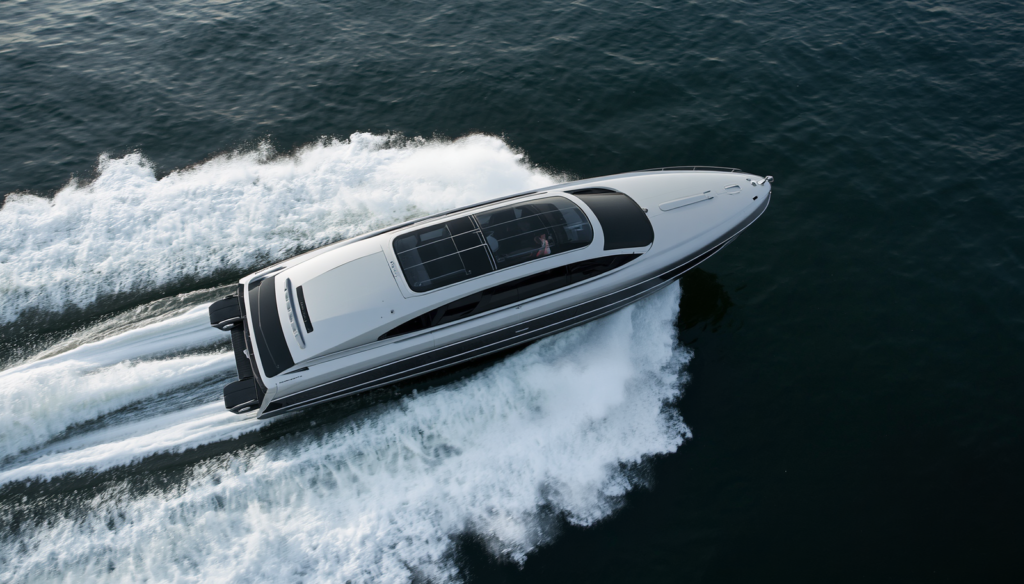
The need to reduce drag is as vital as optimising the molecular fuel conduits and it is clear that the science of “Alternative Energy Propulsion” necessitates a fundamental re-evaluation of hull mechanics. Traditional merchant hulls plough through water and experience high hydrodynamic drag, which grows dramatically with speed. To overcome this barrier new eco-vessels are equipped with automatic hydrofoils made of high-strength carbon-composite below the waterline.
As the craft picks up speed these submerged wing-like devices create a lot of vertical lift, pulling the main hull completely out of the water. The hull’s wetted surface area is reduced by lifting the vessel out of the water, reducing friction by as much as 80% and dramatically lowering the energy needed to maintain cruising speeds.
Real-Time Flight Control Software and Active Strut Stabilization
Ships with hydrofoil-based “Alternative Energy Propulsion” need to be able to maintain stability while floating over the changing ocean swells – a crucial operational requirement. High frequency inertial measurement units (IMUs) in computational flight control systems measure roll, pitch and heave hundreds of times a second. The software makes microsecond adjustments on active flap actuators on the hydrofoil struts to counteract the force of irregular waves and keep the ship balanced without sacrificing speed.
Cavitation Mitigation on Submerged Foils at High Velocities
One of the major concerns for naval architects developing new “Alternative Energy Propulsion” concepts is to prevent structural damage from fast moving water. When water flows past a foil too rapidly, isolated spots might develop small low-pressure areas, creating vapour bubbles that burst violently in a process called cavitation. Modern hydrofoils use specific extremely thin blade profiles and improved anti-cavitation coatings to provide a smooth steady fluid flow to prevent erosion of the foils.
Hydrogen Internal Combustion Engines (H2-ICE) for Heavy-Duty Transits
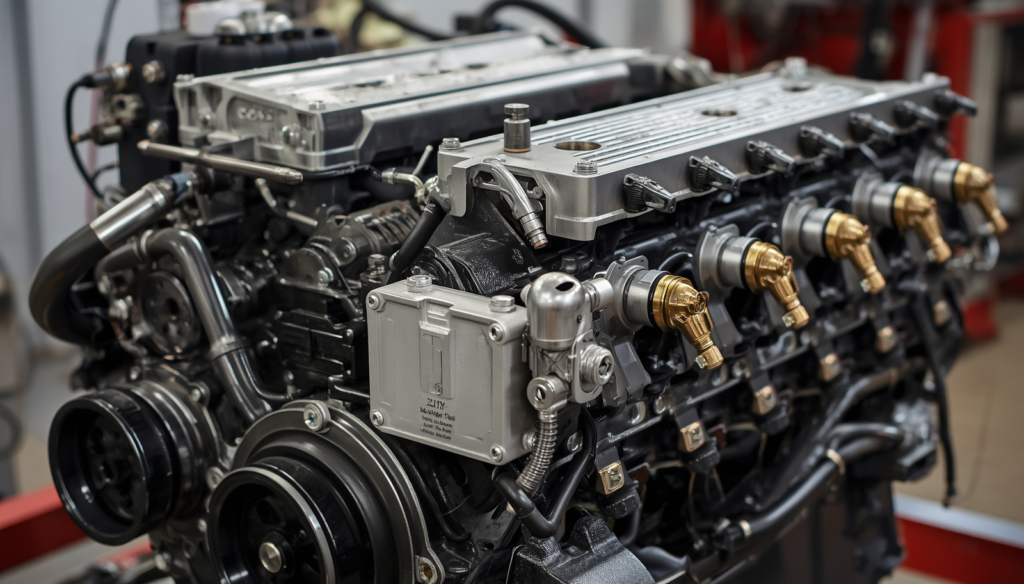
The most efficient solution for a continuous electrical load are the fuel cells, but the robustness of the mechanical power is frequently more adapted to heavy duty commercial transits. Hydrogen Internal Combustion Engines (H2-ICE) are a cornerstone of “Alternative Energy Propulsion”. While chemical membranes are fragile, H2-ICE platforms are adapted from standard heavy-bore diesel platforms to function on carbon-free hydrogen gas only.
Hydrogen has a high auto-ignition temperature and extremely quick flame speeds, therefore these modified engines rely on precision spark-ignition or high-pressure compression-ignition networks supported by a hydrocarbon or biofuel pilot injection loop. This configuration also provides significant torque outputs and only emits harmless water vapour offering shipowners a very reliable and cost-effective solution to switch their existing fleets to alternative fuel sources.
Lean-Burn Combustion Optimization and Selective NOx Controls
A major requirement for using hydrogen engines in a “Alternative Energy Propulsion” context is control of high combustion temperatures. Hydrogen burns very quickly and very hot, and can combine with the surrounding nitrogen in the cylinder to form undesirable nitrogen oxides (NOx). Effectively controlling these thermal emissions ensures the vessel remains fully aligned with the strict air-quality mandates detailed in Regulatory Compliance Waves: Mitigating Sulfur and Particulate Matter, preventing localized soot and gas pollution. This is a problem that engine control computers have been addressing, using “lean-burn” techniques, where big quantities of extra air are mixed into the cylinder to absorb heat and reduce NOx production before it leaves the engine.
Crankcase Ventilation Safety Loops and Hydrogen Leak Prevention
Unburned gas leakage control in the reciprocating engine environment is a must in ‘Alternative Energy Propulsion’ systems driven by hydrogen for manned applications. Because of the minuscule molecular structure of hydrogen, small quantities of gas may pass through piston rings into the crankcase. Automated safety networks combine active continuous-flow nitrogen purging with catalytic sparkless ventilation arrangements to rapidly neutralise trace hydrogen build-up, removing any chance of internal pressure build-ups.
Conclusion

The history of modern commercial shipping proves that the future of maritime trade will depend on the successful implementation of “Alternative Energy Propulsion” paradigms. The shift away from carbon-intensive fuels is no longer an environmental decision; it is a sophisticated engineering evolution that influences modern fleet economics. Vessels that rely on the steady electrochemical efficiency of high temperature solid oxide fuel cells, vessels that use ammonia cracking to feed responsive proton-exchange membranes, and vessels that use rigid composite wing sails to capture free aerodynamic thrust, all depend on intelligent, automated integration for success.
Finally, modern naval architecture can skip over the traditional combustion constraints entirely, by combining clean molecular energy storage with high-voltage battery peak shaving. “By embracing these technical breakthroughs and advanced energy management loops, international shipping lines can significantly lower their carbon footprints today, ensuring exceptionally clean, safe and efficient international trade pathways for generations to come.”
People Also Ask
How do Solid Oxide Fuel Cells work on commercial ships?
They combine hydrogen or reformed fuels electrochemically in a hot ceramic matrix to generate energy with minimal combustion, optimising “Alternative Energy Propulsion”.
Why must liquid hydrogen be stored under cryogenic conditions?
Liquid hydrogen has a high mass energy density, a key requirement for clean “Alternative Energy Propulsion loops”, but requires stable tank temperatures of -253°C.
What is the purpose of an onboard ammonia cracking system?
The process breaks down anhydrous ammonia into pure hydrogen and nitrogen gases. The gases are then purified and fed into responsive fuel cells in a “Alternative Energy Propulsion” system.
How do automated rigid wind sails reduce ship fuel consumption?
They serve as vertical aerodynamic wings, altering their trim to generate direct forward force from sea breezes, to support core “Alternative Energy Propulsion” arrays.