Introduction
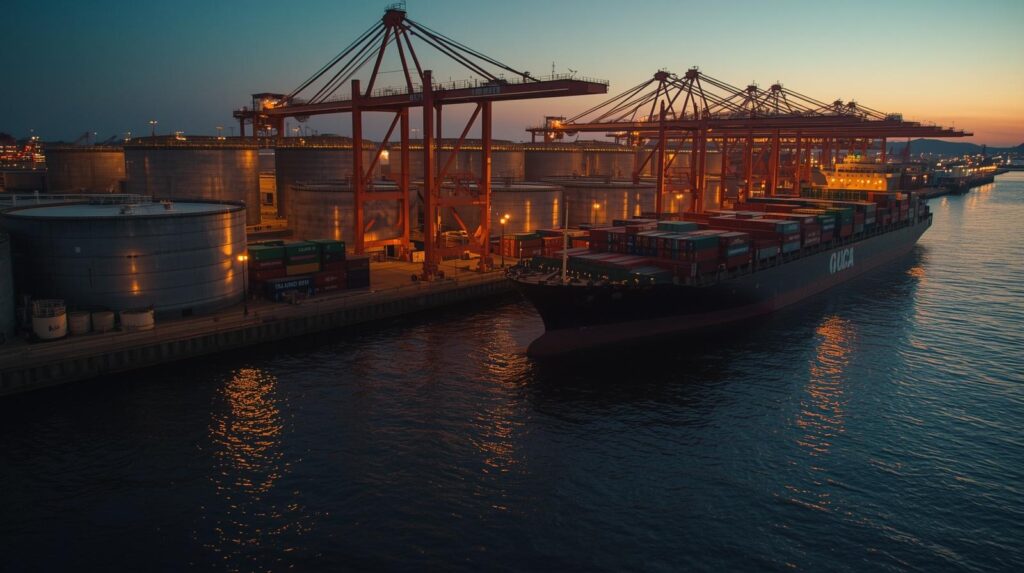
The global maritime network is a volatile, capital-intensive environment where the relentless and ongoing quest for “Supply Chain Resilience” is the key pillar of international trade security, economic continuity, and cross-border resource availability. For many decades, the extraordinary volumetric energy density, astonishingly low production cost, and omnipresent availability worldwide of Heavy Fuel Oil (HFO) have underpinned these interconnected logistics networks, providing the requisite mechanical propulsion to shift over eighty percent of global trade by volume across treacherous, unpredictable transoceanic lanes. While aggressive new alternative fuel standards and stringent environmental protocols are rapidly pushing for a sweeping decarbonisation across international waterways, the current logistical realities of residual fuel is protecting global markets from disastrous transportation shocks.
Getting a handle on this long-standing, historically validated reliance is absolutely crucial to understanding how contemporary international logistics corridors can successfully strike a balance between short-term cost efficiency and long-term climate goals, fuel distribution overhauls, and increasing geopolitical supply vulnerabilities. Thus, the study of the historical dominance of heavy residual petroleum fractions is crucial to understanding why genuine maritime stability is not easily replicated by less advanced technological solutions, and any unnecessary alteration to the global fuelling paradigm could significantly disrupt the basic stability of global consumer markets and industrial production flows.
Table of Contents
The Financial Bedrock of Low-Cost Ocean Freight
The operational economics of maritime transport are highly dependent on the radical reduction of voyage costs for sustained long-term “Supply Chain Resilience” across global commercial networks. The heavy fuel oil is a fantastically cheap source of energy. Ocean liners can keep the prices for container shipping as low as possible for international firms, thus preserving the fragile profit margins of global trade. This base-level affordability prevents retail price inflation from getting out of control so that companies can transfer huge quantities of products across great distances without the impediment of prohibitively high transport costs.
Residual fuel is a basic stabiliser that prevents global manufacturing workflows from falling apart during deep economic recessions by insulating transportation networks from sudden financial shocks. The operational mechanisms behind this cost insulation are thoroughly examined in A Quantitative Model of the Oil Tanker Market in the Arabian Gulf, which demonstrates how bunker price stability directly influences global freight rates. These inexpensive operating margins keep the global consumer trade running smoothly without harsh, margin-crushing transport costs and build “Supply Chain Resilience” right into the financial architecture of international shipping lines
Capital Amortization and Operating Margins
The extensive use of Heavy Fuel Oil greatly decreases vessel operating costs, enabling ocean liners to safeguard their business margins and maintain a high degree of “Supply Chain Resilience” during periods of severe global economic recessions. Residual fuel is a cheap byproduct of the petroleum refining industry, therefore its affordability protects vessel operators from the financial shocks of volatile market situations.
The economic buffer means that even when freight volumes dip, large shipping lines can keep running planned transoceanic loops, ensuring that vital trade routes stay open and viable throughout multi-year cycles. And the low cost of this fuel allows shipping companies to aggressively amortise the massive capital investments required to build modern ultra-large container ships, ensuring that structural ‘Supply Chain Resilience’ is never threatened by sudden corporate liquidity crises or freight market collapses.
Democratization of Mass Consumer Goods
Low shipping costs immediately encourage the globalisation of manufacturing, ensuring constant “Supply Chain Resilience” for retail sectors reliant on precise inventory management. HFO keeps freight rates at a level that permits international enterprises to ship parts and completed goods around the world without worrying about the cost of transportation. This cost-efficiency stabilises commodity prices around the world.
Here we see how inexpensive bunker fuel acts as a basic stabiliser that guarantees availability of the goods, making it very resilient to local market disturbances. Thus, the structural integrity of the international retail is fully dependent on this energy source and offers the evidence that cheap fuel is the fundamental stimulant for the maintenance of the normal global consumer choices and the overall “Supply Chain Resilience” across international boundaries.
Global Bunkering Infrastructure and Ubiquitous Availability
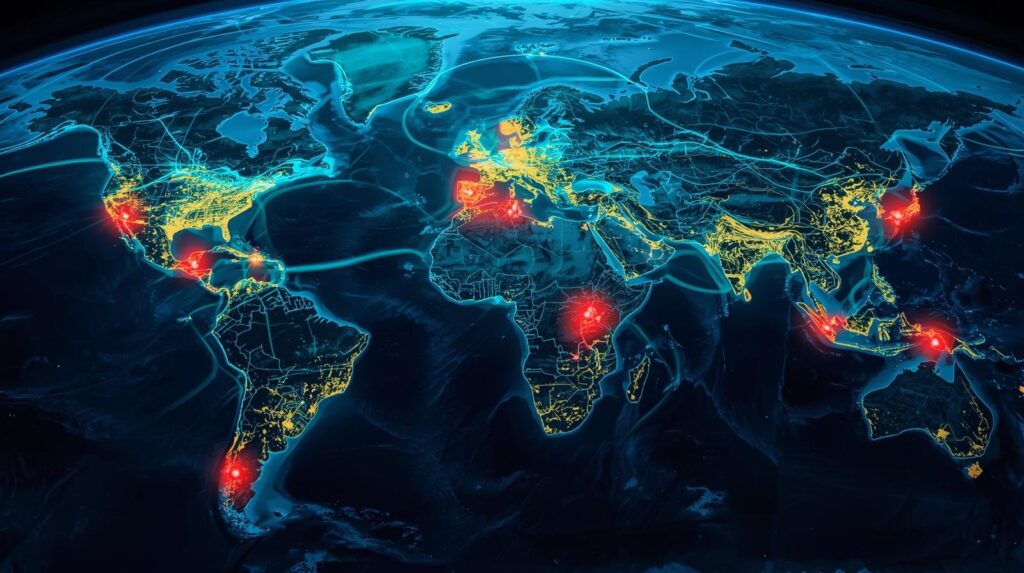
The extensive supply of marine fuel at strategically located international port terminals enables consistent, uninterrupted “Supply Chain Resilience” along vital oceanic trade routes. Over several decades, worldwide transport networks have developed highly specialised bunkering facilities able to store, blend and pump heavy residual oils rapidly and safely. This global infrastructure network reaches out to every large maritime continent allowing transoceanic vessels to obtain dependable engine fuel without lengthy transit delays.
Ships can refuel with confidence at any major crossroads, thus global distribution networks are very flexible and vessel operators may avoid unforeseen port closures without running out of power. This omnipresent network provides a solid safety net for international trade, ensuring that unexpected fluctuations in trade flows would not lead to fuel shortages and therefore enabling “Supply Chain Resilience” over the high seas.
Geographic Distribution of Fueling Hubs
And the present worldwide network of fuelling stations provides for continual “Supply Chain Resilience” by enabling the massive container ships to refill easily on all main shipping lanes. Strategic bunkering ports such as Singapore and Rotterdam guarantee that ships will not be left stranded without propulsion energy, even if they are forced to divert from their anticipated itinerary due to canal closures or extreme weather.
This ubiquitous infrastructure means that there are no long transit delays, and that global shipping fleets can be instantly diverted around geopolitical hot spots without localised bunker fuel shortages. This dense network of distribution enhances the international commerce security by eliminating the geographical limitation of refuelling, thus solidifying the global “Supply Chain Resilience” against unanticipated localised port blocking.
Storage Security and Volumetric Density
Heavy Fuel Oil’s exceptional volumetric energy density allows for huge onboard fuel reserves for large cargo boats, greatly improving global “Supply Chain Resilience” during long-distance ocean voyages. Merchant ships can carry enough fuel to traverse entire seas without stopping, making them immune to localised supply shortages or abrupt port strikes along their course.
The large onboard storage capacity is a crucial safety margin which allows critical commercial cargo to continue on its journey to destination markets notwithstanding political interruptions on shore. High energy density is an invaluable advantage to reinforce “Supply Chain Resilience” on transoceanic lanes, since it enables extended trips without refuelling stops mid-route and provides exceptional operating freedom.
Mechanical Dependability of Slow-Speed Diesel Powerplants
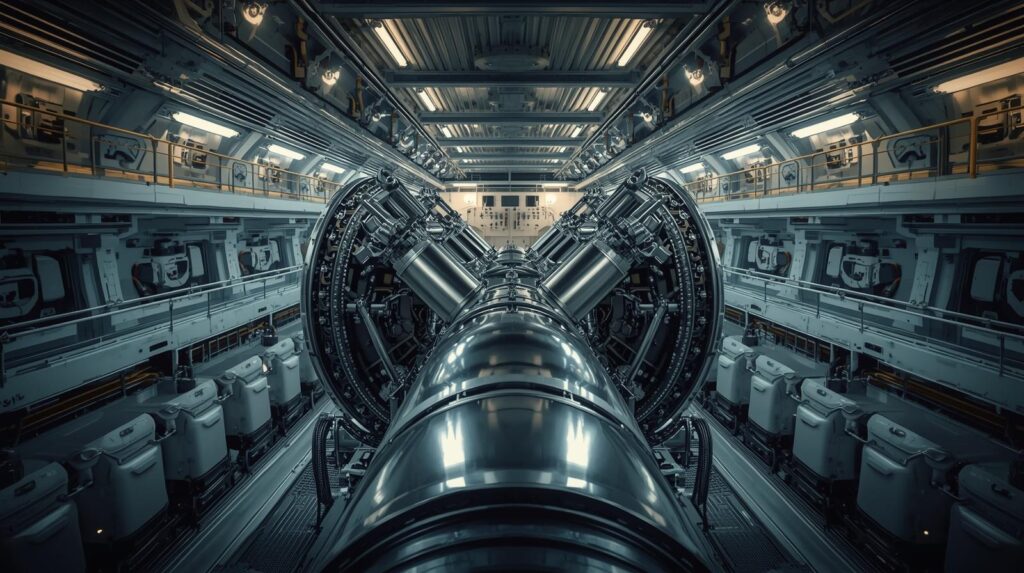
Reliable propulsion machinery is a must for large commercial vessels to provide continuous “Supply Chain Resilience” during rigorous, multi-week transoceanic shipping schedules. Large slow speed two stroke marine engines are built to handle the huge cycle loads needed to burn the very viscous residual fuel oils. These multi-story mechanical powerplants have few moving parts, therefore minimising internal friction and maximising component life in continuous high-pressure operation.
These resilient engineering technologies prevent abrupt mid-ocean mechanical breakdowns that take global shipping schedules off course, delivering constant, unrelenting forward push to survive the savage ocean environment. This enduring focus on machinery optimization connects back to the historical foundations detailed in Energy Transition Liftoff: The Early Motorships and Diesel Pioneer Eras, which serves as blog #2 of this series and chronicles the initial industry shift toward internal combustion. The seamless link between tough engine design and heavy residual fuel is a cornerstone of industrial marine logistics, ensuring that mechanical endurance actively provides “Supply Chain Resilience” along worldwide distribution networks.
Structural Durability of Two-Stroke Engines
Colossal slow speed two stroke marine engines are specially engineered to burn heavy residual fuels , imparting the mechanical reliability needed to provide uninterrupted ” Supply Chain Resilience ” . These multi-level propulsion systems are filled with massive iron components, built to withstand tremendous heat pressures, and to keep running continuously over thousands of miles of harsh open seas.
These tough powerplants lower the odds of sudden mechanical failures in mid-ocean, ensuring international shipping routes run smoothly without surprise, costly delays in cargo arrival schedules. This incredible mechanical endurance builds a robust protective shield against loss of propulsion and ensures that vessel operations actively maintain “Supply Chain Resilience” during difficult transoceanic journeys.
Simplified Maintenance and Component Longevity
The simple mechanical design of large-bore marine engines allows for shipboard maintenance procedures and long-term “Supply Chain Resilience” avoiding long periods of vessel non-operation. Routine component overhauls and emergency repairs can easily be performed at sea by shipboard engineering staff using standard tools and onboard spare parts inventories.
This ability to self – repair allows the vessels to continue transit rapidly following minor mechanical problems , avoiding domino – effect delivery delays across the web of international manufacture and distribution . This self-sustained repair approach eliminates dependency on shore-side technical help, enhances shipboard autonomy and reinforces operational “Supply Chain Resilience” on global cargo routes.
Overcoming the High Viscosity and Pre-Heating Hurdles
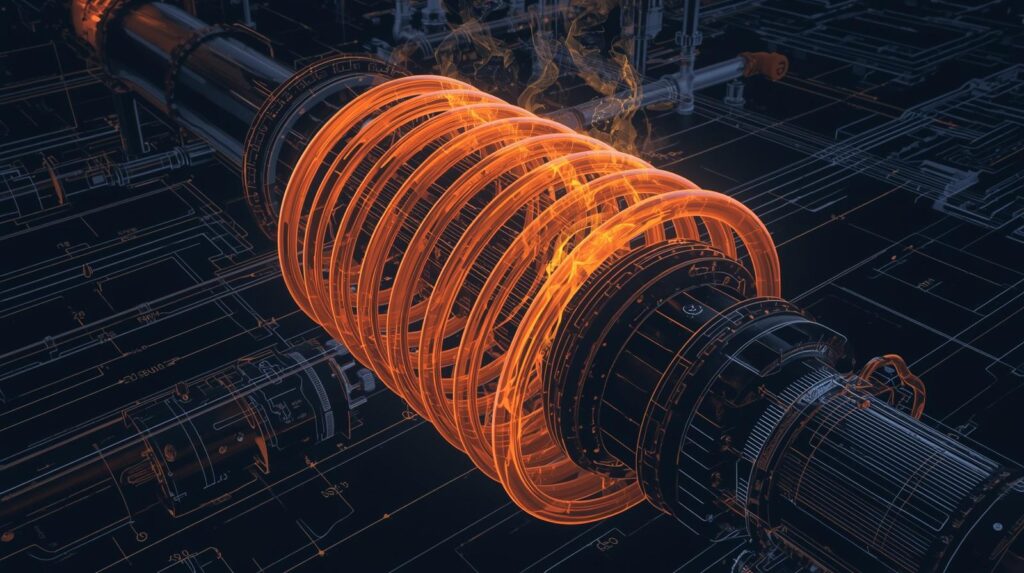
Raw residual petroleum products require sophisticated shipboard thermal control to protect continued “Supply Chain Resilience” during cold weather trips across the oceans. Heavy bunker fuel oil is inherently thick, tar-like at room temperature, and must be kept hot at all times so that it can flow safely. Waste heat boilers on shipboard engineering systems produce high pressure steam .
This steam heats the fuel in storage tanks to reduce its viscosity . This integrated thermal cycle ensures a continuous, low-friction flow of fuel to the engine injectors, avoiding mechanical fuel obstructions that disable propulsion. Such extreme rheological obstacles are solved with clever heat-recovery systems, exemplifying how marine architecture directly supports heavy oil supremacy, assuring thermal management is actively protecting “Supply Chain Resilience” when ships go through icy sea waters.
Shipboard Fuel Conditioning Systems
Vessels may burn highly viscous Heavy Fuel Oil effectively using specialised shipboard treatment systems designed to protect “Supply Chain Resilience” and maintain engine health. These automated conditioning loops use high-speed centrifuges and clarifiers to continuously filter away hazardous water, sludge and catalytic particles before the fuel reaches the injectors.
This highly efficient purification technique prevents precise gasoline pumps from premature abrasive wear and provides constant, uninterrupted propulsion power for challenging transoceanic routes. These treatment devices thoroughly purify raw residual oil on the move, preventing premature machinery breakdowns, directly stabilising vessel transit times and ensuring structural “Supply Chain Resilience” across global logistics lines.
Thermal Management and Boiler Loops
A constant steam heating of heavy bunker fuel in a ship’s storage tanks is an engineering need for reducing its viscosity, directly regulated for maintaining “Supply Chain Resilience”. Exhaust gas economisers generate steam by using waste heat from the main engine, keeping the fuel at appropriate injection temperatures without consuming extra energy.
This continuous thermal cycle ensures a smooth and steady supply of fuel to the cylinders which prevents abrupt engine stalls and maintains constant cruising speeds of the vessel. This efficient use of waste heat is the best use of the overall energy efficiency, keeping the thermal loops at sea actively maintaining “Supply Chain Resilience” for long deep-sea journeys.
Regulatory Pressures and the Scrubber Revolution
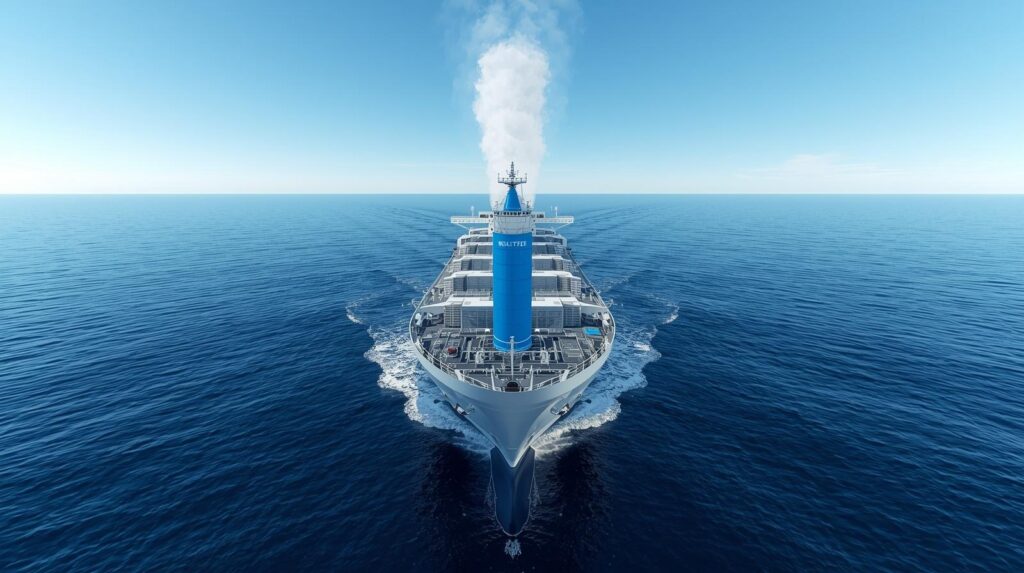
The modern international environmental standards create a significant operational hurdle to sustaining traditional “Supply Chain Resilience” in heavily restricted coastal shipping waters. Strict global sulphur limitations were imposed, and maritime industries faced the need to quickly change their exhaust treatment systems or risk being shut down by law. The development of sophisticated Exhaust Gas Cleaning Systems enabled current fleets of vessels to wash away dangerous emissions and continue to burn inexpensive fuels lawfully.
Such a mechanical response also helped to avoid surges in transoceanic freight prices, demonstrating how technical innovation may build resilience into the logistics system in the face of large environmental shifts. The scrubber revolution was a defence of heavy oil dominance, using engineering retrofits to meet environmental regulations so that emission compliance did not compromise “Supply Chain Resilience” across international waters.
MARPOL Annex VI Compliance Strategies
The maritime industry had to quickly reconfigure itself to protect global “Supply Chain Resilience” from regulatory shutdowns with the imposition of tight international limitations on sulphur emissions. Shipowners responded by either switching to pricey low sulphur distillates or equipping their vessels with sophisticated Exhaust Gas Cleaning Systems.
This technological change enables existing merchant fleet to continue to use cost-effective heavy fuels legally avoiding a huge increase in global transport costs. Such compliance measures provided a legal avenue for the continued use of heavy oil, insulating global markets from abrupt freight inflation and actively supporting ‘Supply Chain Resilience’ in response to the evolving landscape of international environmental rules.
Open versus Closed-Loop Scrubbing Mechanics
Exhaust scrubbers use chemical interactions with saltwater or alkaline mixes to remove sulphur from exhaust fumes, keeping the vessel flexible and boosting ‘Supply Chain Resilience’. The open-loop installations leverage the natural alkalinity of the ocean to wash pollutants cost-effectively on the high seas, while closed-loop designs store trash to satisfy tight port requirements.
This operational flexibility allows ships to transit restricted coastal waters without costly delays at port entrance or fines for non-compliance. This mechanical adaptability enables huge container ships to transit many regulatory zones without interruption, thus continuously supporting global “Supply Chain Resilience” across complex international trading borders.
Geopolitical Realities of Refining and Crude Residues
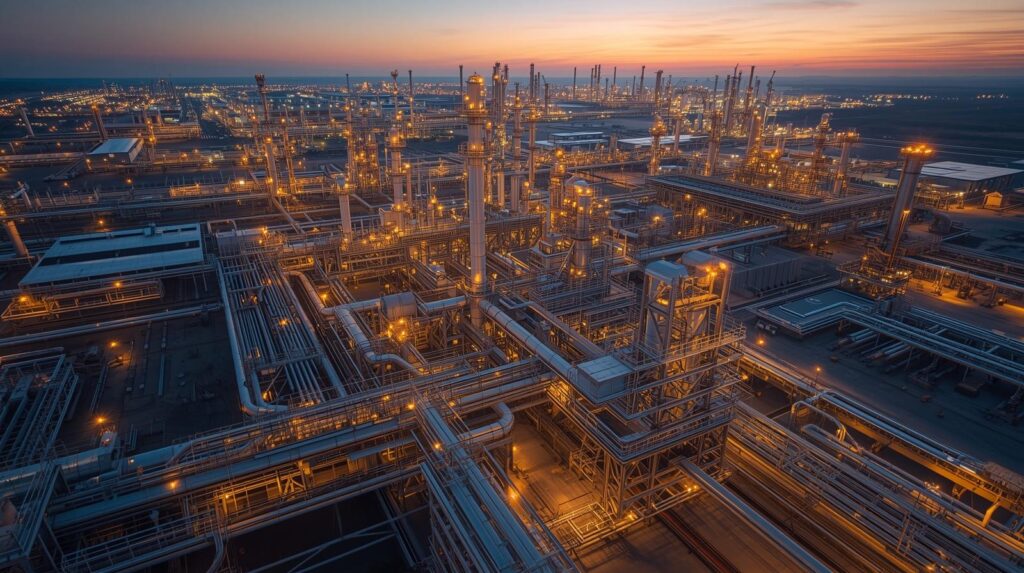
The localisation of petroleum refining structures creates a considerable sensitivity factor in the global “Supply Chain Resilience” metrics in relation to regional political updates. International refineries are upgrading their cracking systems to produce higher-value fuels, hence the volume of heavy marine residue is declining worldwide. This structural change affects the availability of traditional bunker fuels resulting in localised price volatility along key commercial trading routes.
Vessel operators need to carefully plan their fuelling layovers to prevent their voyages from unanticipated energy shortages at key maritime chokepoints. The precise operational planning needed to carry out these refinery turnarounds is critical to preserving “Supply Chain Resilience” in the face of volatile global energy supply, understanding the nuances of crude oil refining variations is key.
Vulnerability of Major Shipping Chokepoints
Global “Supply Chain Resilience” and fuel security have long been under threat from regional political crises in tight maritime chokepoints through which international shipping routes pass. In the event of war or piracy, tankers and container ships can be forced to take long detours around the southern capes, adding significantly to travel times.
Ships using HFO are fitted with large fuel tanks, giving them the long-range endurance to undertake these long voyages without running out of electricity. This enormous fuel range prevents warships from being stranded during geopolitical crises, and enhances global “Supply Chain Resilience” when main canals become impassable.
Structural Changes in Global Oil Refining
The decline of residual fuel supply is a problem to long-term ‘Supply Chain Resilience’ since modern oil refineries are shifting toward deep conversion technologies to extract maximum petrol and diesel. Advanced cracking units lower the number of heavy bunker fuels produced, constricting worldwide availability and over time increasing market price volatility.
This change requires vessel operators to optimise their fuel blending and logistics to keep their propulsion systems adaptable in the face of changing energy supply. To avert unforeseen energy shortages, it is vital to adapt to these structural alterations in petroleum refining to ensure the continuing “Supply Chain Resilience” throughout the global shipping lines.
Transitional Pathways to Future Zero-Emission Fuels
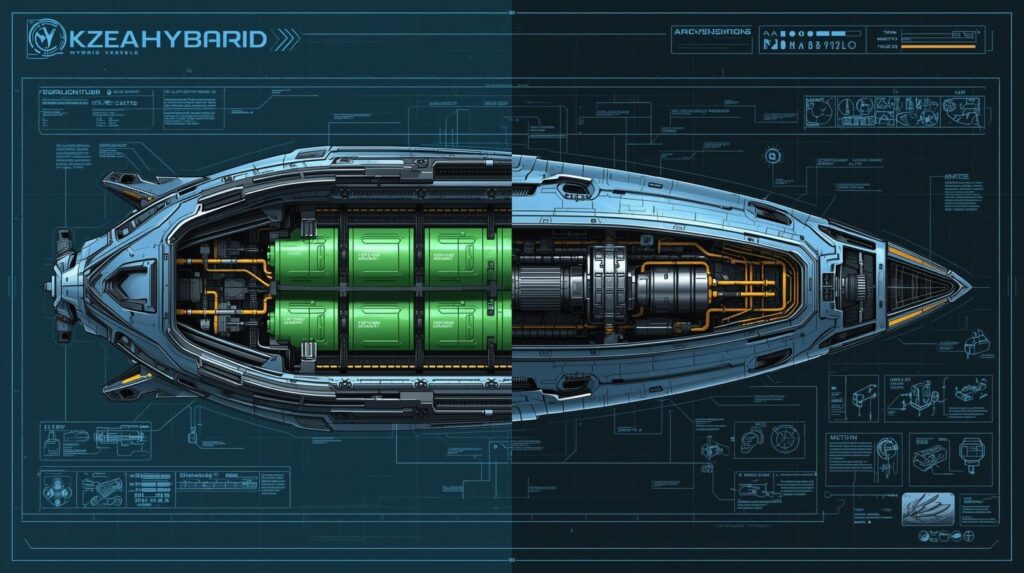
As the global maritime industry decarbonises, building flexible, next-generation alternative energy infrastructure is essential to ensure future ‘Supply Chain Resilience’. Alternative zero-emission fuels offer significant environmental benefits, but they cannot be produced in sufficient quantities to displace heavy petroleum wastes completely at this time.
Flexible dual-fuel internal combustion systems offer a smooth transition for the merchant fleet without risk of a large-scale energy supply collapse. This staged technical approach means that international trade lines remain open, while the supply of alternative fuels is ramped up to meet global demand. This multi-fuel bridge, with traditional fuels as a secure fallback, safeguards global logistics from abrupt energy shortages, preserving “Supply Chain Resilience” amid the green transition.
Multi-Fuel Engine Retrofitting
The marine sector is aggressively investing in dual-fuel and multi-fuel engine technology, an evolutionary milestone to safeguard the worldwide “Supply Chain Resilience” in the green transition. These flexible power plants can be fuelled by standard residual oils as well as cleaner options such as green methanol, liquefied natural gas or ammonia.
Such fuel flexibility safeguards fleet operators in the event of alternative fuel shortages, ensuring global shipping routes remain open even if green supply chains face sudden supply surges. This adaptive engine technology is an operational insurance policy that safeguards worldwide cargo movement and sustains “Supply Chain Resilience” in light of uncertainties in the energy market.
Scalability Barriers of Clean Energy Alternatives
Green fuels will have major environmental benefits in the long future, but they are not yet made at a scale that can support the global “Supply Chain Resilience” of today. They have lower volumetric energy densities, their port infrastructure is limited and alternative fuels are not yet as flexible as heavy fuel for “anywhere, anytime” use.
Conventional heavy fuel oil is an operational necessity to prevent drastic economic gridlocks along worldwide distribution chains in the absence of fully developed clean fuel networks. These infrastructure realities need to be recognised as they are key to managing a safe green transition and ensuring that the deployment of alternative fuels never comes at the expense of “Supply Chain Resilience” at its core.
Conclusion
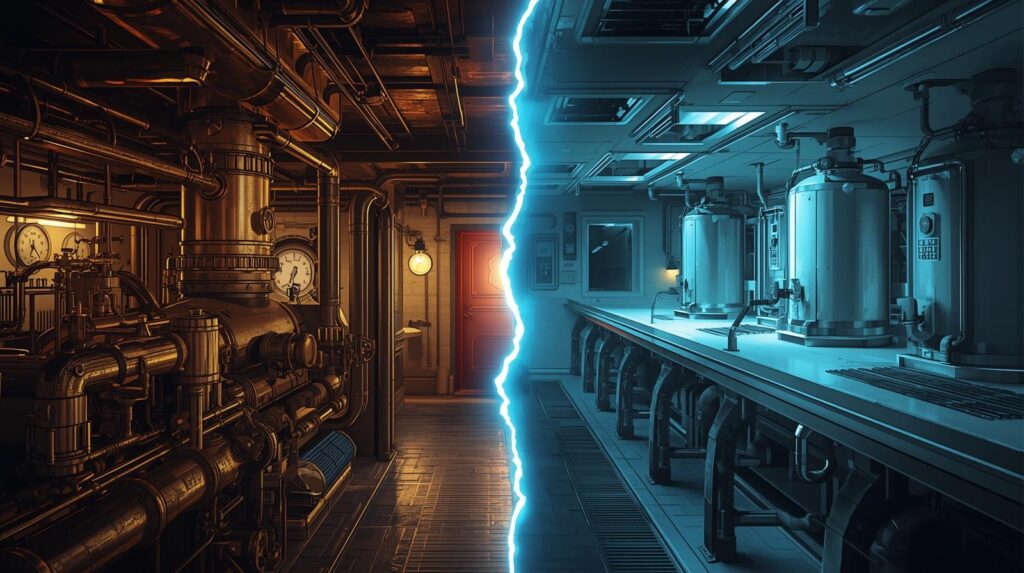
The continued dominance of Heavy Fuel Oil is a striking demonstration of how much the world trade needs on cheap and energy dense leftovers to sustain robust and unyielding “Supply Chain Resilience” in global markets. Environmental restrictions are correctly putting pressure on the maritime industry to reduce emissions, but the pervasive worldwide infrastructure and mechanical reliability of old bunker fuels cannot be replaced quickly without triggering significant global inflation.
But a pragmatic and effective shift to green shipping calls for a balanced approach that harnesses dual-fuel technologies to bridge the gap between historical fuel need and clean energy advancements. Ultimately, the continued movement of transoceanic cargo is a win-win for both environmental development and economic security, and resilient global supply chains. Therefore, it is vital to constantly oversee the real-world boundaries of logistics while the maritime sector navigates its journey to carbon neutrality to protect “Supply Chain Resilience” for years to come.
People Also Ask
Why does global trade depend on heavy fuel oil?
Low ocean freight prices because to inexpensive residual fuel have allowed ‘Supply Chain Resilience’ to survive economic turbulence by moving vast volumes of merchandise affordably by sea.
How do exhaust scrubbers protect shipping lines?
Scrubbers assist current boats in meeting emissions restrictions, allowing fleets to legally use cheap heavy bunker fuels, hence ensuring “Supply Chain Resilience”.
What limits the quick adoption of green marine fuels?
The lack of international port infrastructure for alternative fuels means that “Supply Chain Resilience” models will still rely on traditional heavy oil until impediments to green scaling are addressed.
How do geopolitical conflicts affect marine fueling?
Chokepoint disruptions increase vessel transit lead times, testing “Supply Chain Resilience,” as ships rely on heav fuel capacity to travel longer alternative ocean routes.